
Why Does Sperm Burn Inside of You? Understanding What Your Body Is Trying to Tell You
Question on this topic? Get an instant answer from August.
Why Does Sperm Burn Inside of You? Understanding What Your Body Is Trying to Tell You
If you have ever felt a burning sensation after sex, you are not alone. This discomfort can happen for several reasons, ranging from common sensitivities to infections that need attention. Your body is simply signaling that something is off, and understanding why can help you feel better and know when to seek care.
What Does a Burning Sensation After Sex Actually Mean?
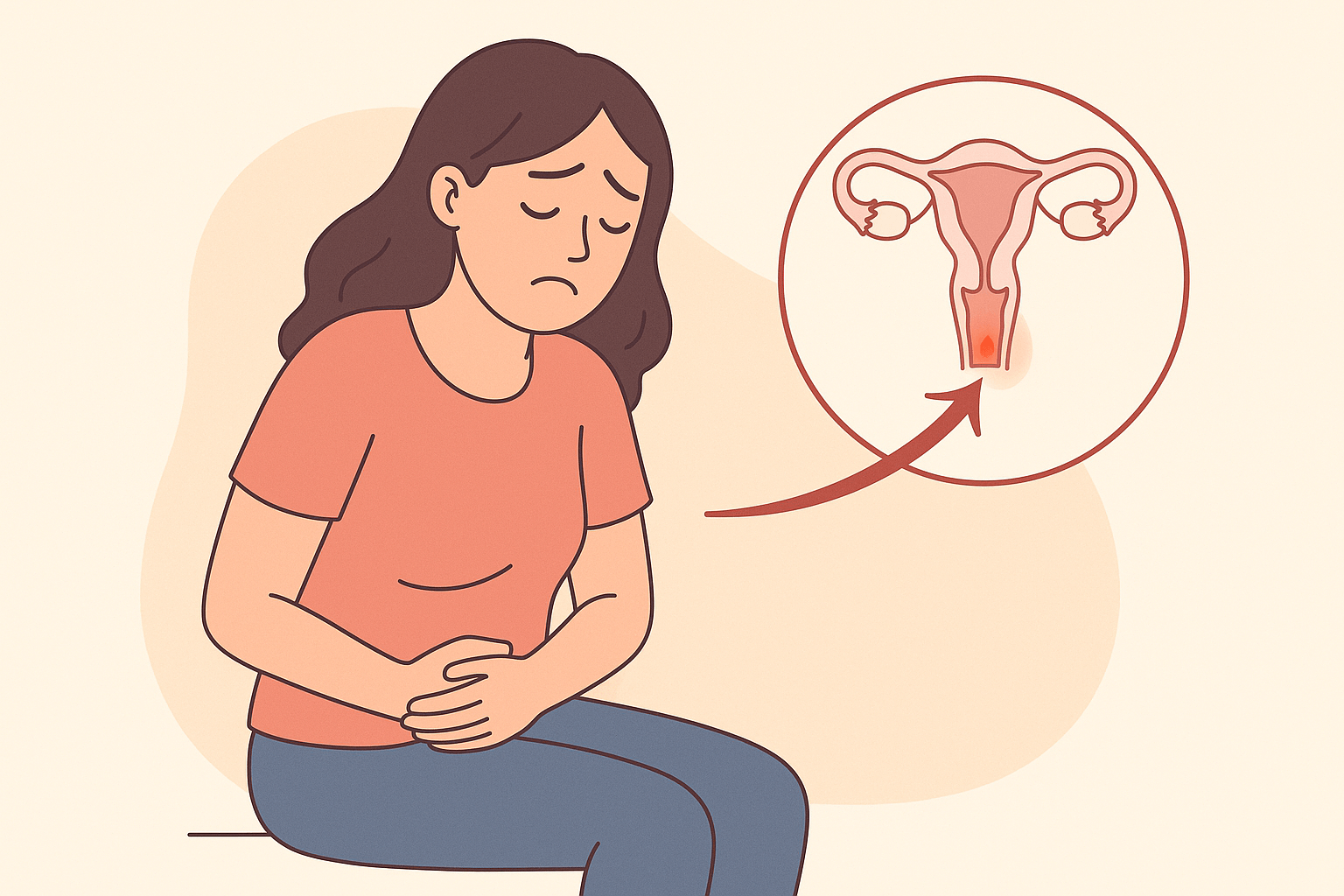
A burning feeling inside your vagina after sex means your tissues are reacting to something they perceive as irritating. This reaction might be temporary and mild, or it could point to an underlying issue that needs treatment. Either way, it is your body's way of protecting itself.
The vagina has a delicate balance of bacteria, pH levels, and natural moisture. When something disrupts this balance, nerve endings in the vaginal walls can send pain signals that feel like burning, stinging, or rawness. This is not about being weak or overly sensitive. It is just how your body communicates.
Could This Be a Semen Allergy?
Yes, you can be allergic to semen, though it is uncommon. This condition is called seminal plasma hypersensitivity. Your immune system mistakenly identifies proteins in semen as harmful invaders and releases chemicals that cause inflammation and discomfort.
The burning usually starts within minutes after contact with semen. You might also notice redness, swelling, or itching in and around your vagina. Some women describe it as feeling like their skin is on fire or intensely irritated right after their partner ejaculates inside them.
In rare cases, this allergic reaction can spread beyond your vaginal area. You might develop hives on your skin, feel tightness in your chest, or experience trouble breathing. These more serious symptoms need immediate medical attention because they can signal a severe allergic response called anaphylaxis.
If you suspect a semen allergy, your doctor can perform skin tests or other evaluations. Treatment often involves using condoms to avoid direct contact with semen, or in some situations, your allergist might recommend desensitization therapy to help your body tolerate the proteins gradually.
Is Your Vaginal pH Out of Balance?
Semen has a naturally alkaline pH, around 7.2 to 8.0. Your vagina, on the other hand, thrives in a more acidic environment, typically between 3.8 and 4.5. When semen enters your vagina, it temporarily raises the pH level, which can trigger burning if your vaginal ecosystem is already struggling to maintain balance.
A healthy vagina contains beneficial bacteria called lactobacilli. These bacteria produce lactic acid that keeps the environment acidic and protects against infections. When semen shifts the pH, these protective bacteria can become less effective, and harmful bacteria or yeast may start to multiply.
If your vaginal pH is already elevated before sex due to douching, certain medications, or hormonal changes, the addition of alkaline semen can push things further off balance. This creates an environment where irritation happens more easily. You might notice not just burning, but also unusual discharge or a different odor.
Your body usually restores its natural pH within a few hours after sex. However, if you experience burning regularly, your vaginal flora might need support. Your healthcare provider can test your pH and recommend probiotics, boric acid suppositories, or other treatments to help reestablish balance.
Could You Have an Underlying Infection?
An infection can make your vaginal tissues inflamed and extra sensitive. When semen comes into contact with already irritated tissue, it can intensify discomfort and cause sharp burning. Several types of infections can create this scenario.
Bacterial vaginosis happens when harmful bacteria outnumber the good bacteria in your vagina. The condition often causes a thin, grayish discharge with a fishy smell, especially after sex. The burning you feel is partly because the alkaline semen interacts with the already unbalanced bacterial environment, creating irritating compounds.
Yeast infections are another common culprit. These occur when Candida fungus overgrows in your vagina. You might notice thick, white, cottage cheese-like discharge along with intense itching and burning. The inflamed tissues become hypersensitive, so any contact including semen can feel painful or cause stinging sensations.
Trichomoniasis is a sexually transmitted infection caused by a parasite. It produces frothy, yellow-green discharge with a strong odor and causes significant inflammation. The burning after sex with trichomoniasis can be quite intense because the infection makes your vaginal walls swollen and raw.
What About Other Sexually Transmitted Infections?
Chlamydia and gonorrhea can also cause burning sensations, though they sometimes produce no symptoms at all. These bacterial infections inflame your cervix and vaginal tissues. When semen touches these irritated areas, you might feel burning, along with abnormal discharge, pelvic pain, or bleeding between periods.
Herpes is a viral infection that causes painful blisters or sores on your genital area. If you have an active outbreak or healing sores, any contact during sex including exposure to semen can trigger severe burning and stinging. The virus makes your skin extremely tender and vulnerable.
Getting tested is the only way to know for sure what infection you might have. Many of these conditions need prescription antibiotics or antiviral medications. Early treatment prevents complications and stops the infection from spreading to your reproductive organs or to your partner.
Could You Be Sensitive to Something Your Partner Is Using?
Sometimes the burning is not about the semen itself. Your partner might be using products that end up inside you during sex and trigger irritation. These substances can alter your vaginal chemistry or cause direct allergic reactions.
Personal lubricants, spermicides, and latex condoms all contain chemicals that can irritate sensitive vaginal tissue. Even if your partner used a condom and you felt fine, traces of these products can remain on their skin or genitals after the condom is removed. When semen then enters you, it can carry these irritants deeper inside.
Fragranced soaps, body washes, or lotions that your partner uses on their genital area can also transfer to you. Your vagina is meant to be self-cleaning and thrives without added fragrances. When foreign chemicals enter this environment, your tissues can react with burning, redness, or itching.
Consider switching to hypoallergenic, fragrance-free products for both you and your partner. Water-based lubricants without glycerin or parabens tend to be gentler. If you suspect latex sensitivity, polyurethane or polyisoprene condoms might work better for you.
Are Your Hormones Playing a Role?
Hormonal changes can make your vaginal tissues thinner, drier, and more prone to irritation. When estrogen levels drop, the vaginal lining loses some of its natural moisture and elasticity. This condition is called vaginal atrophy or genitourinary syndrome of menopause.
Lower estrogen levels affect you during menopause, but they can also drop while breastfeeding or due to certain medications like hormonal birth control. With less natural lubrication and thinner tissue, any friction during sex can create tiny tears or abrasions that sting intensely when semen touches them.
The burning might feel sharper and last longer than usual because your tissues are not bouncing back as quickly. You might also notice dryness throughout the day, not just during or after sex. Some women describe feeling raw or sore in their vaginal area even without sexual activity.
Vaginal estrogen creams, tablets, or rings can help rebuild the vaginal lining and restore moisture. These treatments are applied directly to your vagina and work locally with minimal absorption into your bloodstream. Over-the-counter moisturizers designed for vaginal use can also provide relief between sexual encounters.
Could This Be Vulvodynia or Another Chronic Pain Condition?
Vulvodynia means chronic vulvar pain without an obvious cause. You might feel burning, stinging, or rawness in your vulva and vaginal opening that lasts for months. This pain can worsen with touch, including during sex or when semen comes into contact with the area.
The exact cause of vulvodynia is not fully understood. Researchers believe it involves nerve irritation, pelvic floor muscle problems, past infections, or heightened sensitivity in your pain receptors. The condition can make your tissues feel like they are burning even when nothing harmful is present.
Some women with vulvodynia experience pain only during specific activities like sex or tampon insertion. Others feel constant discomfort that varies in intensity throughout the day. The unpredictability and persistence of symptoms can be frustrating and emotionally draining.
Treatment often involves a combination of approaches. Your healthcare provider might suggest pelvic floor physical therapy to relax tight muscles, nerve pain medications to calm overactive nerves, or topical creams to soothe the area. Cognitive behavioral therapy can also help you manage the emotional impact of chronic pain.
What About Interstitial Cystitis?
Interstitial cystitis, also called painful bladder syndrome, causes chronic bladder pain and pressure. While this condition primarily affects your bladder, it can make your entire pelvic area more sensitive. During sex, the movement and pressure can irritate your bladder, and semen entering your vagina might intensify this discomfort.
You might feel a burning sensation not just in your vagina, but also in your urethra or lower abdomen. This happens because the nerves in your pelvis are interconnected. Pain signals can spread and create discomfort in areas beyond where the actual problem started.
Managing interstitial cystitis often requires dietary changes, bladder training, and sometimes medications that coat your bladder lining. If you suspect this condition, a urologist or urogynecologist can help diagnose it and create a treatment plan tailored to your needs.
When Should You See a Healthcare Provider?
You should seek medical care if the burning happens repeatedly or comes with other worrying symptoms. Your body is telling you something needs attention, and a healthcare provider can help figure out exactly what is going on.
Here are some signs that mean you should schedule an appointment sooner rather than later:
- The burning lasts more than a day or two after sex
- You notice unusual vaginal discharge that is green, yellow, gray, or has a strong odor
- You develop pelvic pain, cramping, or discomfort in your lower abdomen
- You see blood in your discharge or experience bleeding after sex
- You have pain or burning when you urinate
- You develop a fever, chills, or feel generally unwell
- The burning is getting worse with each sexual encounter
- You notice sores, blisters, or lumps on your vulva or inside your vagina
These symptoms can point to infections or other conditions that need treatment. Getting help early can prevent complications and help you feel comfortable again.
What If You Have Severe Symptoms?
Some situations require immediate medical attention. If you experience difficulty breathing, swelling of your face or throat, widespread hives, or dizziness after sex, call emergency services right away. These could be signs of a severe allergic reaction that can become life threatening.
Similarly, if you have intense abdominal pain, heavy bleeding, or fever with chills, do not wait for a regular appointment. Visit an urgent care center or emergency room. These symptoms might indicate a serious infection spreading to your uterus or fallopian tubes, which needs prompt treatment with antibiotics.
How Will Your Doctor Figure Out What Is Causing the Burning?
Your healthcare provider will start by asking detailed questions about your symptoms. They will want to know when the burning started, how long it lasts, what makes it better or worse, and whether you have other symptoms like discharge or itching.
Be prepared to discuss your sexual history, including how many partners you have, whether you use condoms, and what products you use during sex. This information might feel personal, but it helps your provider narrow down possible causes. Remember, they have heard it all before and are there to help, not judge.
A pelvic exam lets your provider look at your vulva, vagina, and cervix for signs of irritation, infection, or abnormalities. They will check for redness, swelling, unusual discharge, or sores. The exam might feel uncomfortable, especially if you are already sore, but it provides important visual information.
Your provider will likely take samples of your vaginal discharge to test for infections. These samples can identify bacterial vaginosis, yeast infections, trichomoniasis, and sexually transmitted infections. Results usually come back within a few days and guide your treatment plan.
In some cases, your provider might check your vaginal pH using a simple test strip. They may also perform blood tests to check for systemic conditions or allergies. If initial tests do not reveal a cause, they might refer you to a specialist like a gynecologist, allergist, or vulvar pain specialist.
What Can You Do to Feel Better Right Now?
While you wait to see your healthcare provider or for treatment to work, several things can help ease the burning and protect your vaginal health. These steps are gentle and support your body's natural healing process.
First, avoid anything that might irritate your vagina further. Skip douching entirely, as it disrupts your natural bacterial balance and can worsen symptoms. Stay away from scented soaps, bubble baths, feminine hygiene sprays, and scented pads or tampons. These products contain chemicals that inflame sensitive tissue.
Wear breathable cotton underwear and avoid tight pants or synthetic fabrics that trap moisture. Moisture creates an environment where bacteria and yeast thrive. Change out of wet swimsuits or sweaty workout clothes as soon as possible to keep the area dry.
You might find relief by applying a cold compress wrapped in a soft cloth to your vulva for 10 to 15 minutes. The coolness can numb nerve endings temporarily and reduce inflammation. Never apply ice directly to your skin, as this can cause damage.
Consider taking a break from sexual activity until the burning resolves. Continued friction and exposure to semen can prevent healing and make symptoms worse. If you do have sex, use plenty of water-based lubricant and encourage your partner to be extra gentle.
Stay hydrated by drinking plenty of water throughout the day. Good hydration supports your body's natural healing processes and helps flush out toxins. Some women find that avoiding acidic or spicy foods reduces irritation, though this varies from person to person.
Can You Prevent This from Happening Again?
Once you know what is causing the burning, you can take steps to prevent it in the future. Prevention strategies depend on the underlying cause, but some general practices support vaginal health for everyone.
If you have a semen allergy, using condoms every time you have sex prevents direct contact and eliminates symptoms. Make sure your partner uses condoms consistently. If you want to conceive, talk with your doctor about special protocols that can help.
For pH imbalances, you might benefit from using a probiotic supplement designed for vaginal health. These contain strains of Lactobacillus bacteria that help maintain the right acidic environment. You can take these orally or use suppositories that go directly into your vagina.
Practice safe sex to reduce your risk of sexually transmitted infections. Use condoms correctly and consistently, and consider getting tested regularly if you have multiple partners or a new partner. Encourage your partners to get tested too.
Keep your genital area clean with plain warm water or a mild, unscented soap on the outside only. Your vagina cleans itself and does not need soap inside. After using the bathroom, wipe from front to back to prevent bacteria from your rectum reaching your vagina.
If hormonal changes are causing dryness, talk with your healthcare provider about hormone replacement options or vaginal moisturizers. These can be used regularly, not just during sex, to keep your tissues healthy and resilient.
Pay attention to how your body responds to different products. If you notice burning after using a new lubricant, condom brand, or personal care product, switch to something else. Your body will tell you what works and what does not.
What Does All of This Mean for You?
Experiencing burning after sex can feel scary and isolating. You might worry that something is seriously wrong or feel embarrassed talking about it. But this symptom is more common than you might think, and it almost always has an explanation and solution.
Your body is not broken or overreacting. It is simply responding to something that is out of balance or irritating. By paying attention to these signals and seeking appropriate care, you are taking important steps to protect your health and wellbeing.
Most causes of post-sex burning are treatable with medications, lifestyle changes, or simple adjustments to your sexual routine. Even chronic conditions like vulvodynia can be managed with the right combination of therapies. You do not have to accept pain as a normal part of your sex life.
Be patient with yourself as you work through this. Finding the exact cause and the right treatment can take time. Keep communicating openly with your healthcare provider, and do not hesitate to seek a second opinion if you feel your concerns are not being heard or addressed.
Remember that sexual health is an important part of your overall wellbeing. You deserve to have comfortable, enjoyable sexual experiences. Taking care of this issue is taking care of yourself, and that is something to feel good about.