
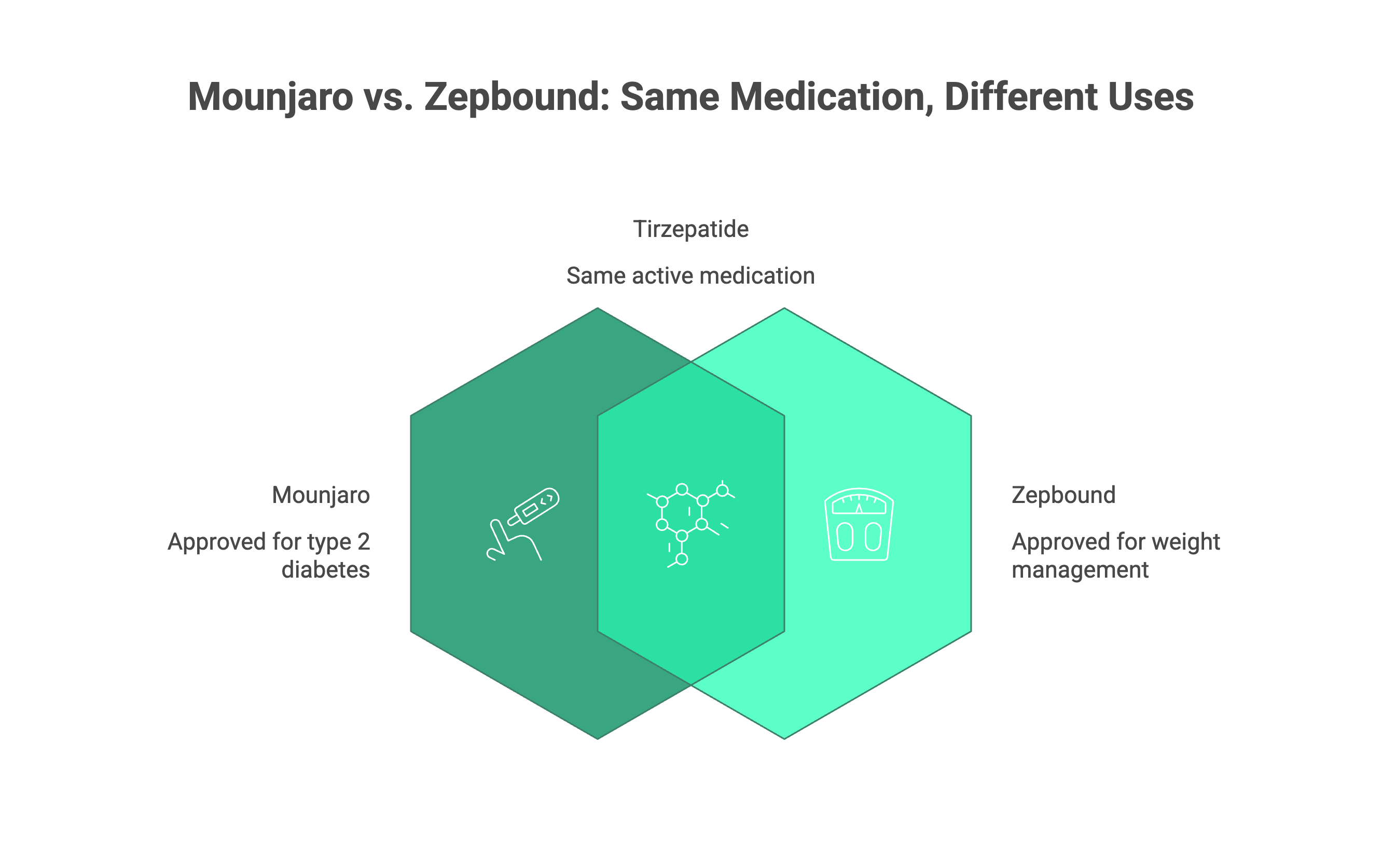
Yes, you can. Mounjaro (tirzepatide) was originally approved for type 2 diabetes. But the same active ingredient is now also available under a different brand name called Zepbound, which is specifically approved for weight management in people without diabetes. So if you do not have diabetes but want access to tirzepatide for weight loss, there is a clear, legitimate path to get it.
How Does Mounjaro Work for Weight Loss?
Mounjaro contains tirzepatide, a medication that mimics two natural gut hormones called GLP-1 and GIP. These hormones play a big role in how your body handles hunger and fullness. When you take tirzepatide, it slows down how quickly food leaves your stomach. It also sends signals to your brain that you are full. This means you naturally eat less without feeling like you are fighting your appetite.
In clinical trials, people without diabetes who took tirzepatide lost an average of about 20% of their body weight over 72 weeks. That is a significant amount. It shows that medication works well for weight loss even when blood sugar not main concern.
What Is Difference Between Mounjaro and Zepbound?
This is where things get a little confusing, but it is actually quite simple. Mounjaro and Zepbound contain exact same medication: tirzepatide. They are made by the same company (Eli Lilly) and come in same doses.
The difference is in what they are approved for. Mounjaro is approved for people with type 2 diabetes. Zepbound is approved for weight management in adults with obesity or overweight who also have at least one weight-related health condition. So if you do not have diabetes and want tirzepatide for weight loss, Zepbound version your doctor would prescribe.
Some doctors do prescribe Mounjaro "off-label" for weight loss, meaning they prescribe it for a purpose other than its official approval. This is legal and common in medicine. But it can create issues with insurance coverage, which something to keep in mind.
Who Qualifies for Zepbound Without Diabetes?
To qualify for Zepbound, you generally need to meet specific criteria. Your doctor will evaluate your overall health, but here are typical requirements.
- BMI of 30 or higher. This is classified as obesity and makes you eligible on its own.
- BMI of 27 or higher with a weight related health condition. Conditions like high blood pressure, high cholesterol, obstructive sleep apnea, or heart disease can qualify you.
Your doctor will also consider your medical history, previous weight loss efforts, and whether the benefits of medication outweigh potential risks for you. It is not a one size fits all decision. Your healthcare provider will personalize assessment.
How Do You Get a Prescription?
Getting a prescription for tirzepatide without diabetes straightforward, but it does require a doctor. You cannot get this medication over the counter.
Here is what process typically looks like.
1. Schedule an appointment with your doctor. This can be your primary care provider, an endocrinologist, or an obesity medicine specialist. Many telehealth services now also offer weight management consultations.
2. Discuss your weight history and health goals. Your doctor will want to know about past weight loss attempts, your current health conditions, and your expectations.
3. Get evaluated. Your doctor will check your BMI, review your labs, and assess whether you meet criteria for Zepbound.
4. Start with a low dose. If approved, you will begin with a 2.5 mg weekly injection and gradually increase dose over several weeks to reduce side effects.
The medication is a once weekly injection you give yourself at home. Your doctor or pharmacist will show you exactly how to do it. Most people find it becomes routine quickly.
What About Insurance Coverage?
This is one of trickier parts. Insurance coverage for weight loss medications varies a lot. Many insurance plans do not cover Zepbound, and when they do, they often require prior authorization. That means your doctor needs to submit paperwork showing the medication is medically necessary.
If your insurance does not cover it, the out of pocket cost can be high. Without any coverage, tirzepatide can cost over $1,000 per month. However, there are some options that may help reduce cost.
- Manufacturer savings programs. Eli Lilly offers copay savings cards for eligible patients with commercial insurance. Some patients can pay as low as $25 per prescription.
- Patient assistance programs. For those without insurance or with limited income, Eli Lilly has programs that may help.
- Telehealth weight loss programs. Some online weight management services bundle medication with clinical support and may offer more affordable pricing.
It is worth having an honest conversation with your doctor about costs upfront so you can plan accordingly.
What Side Effects Should You Know About?
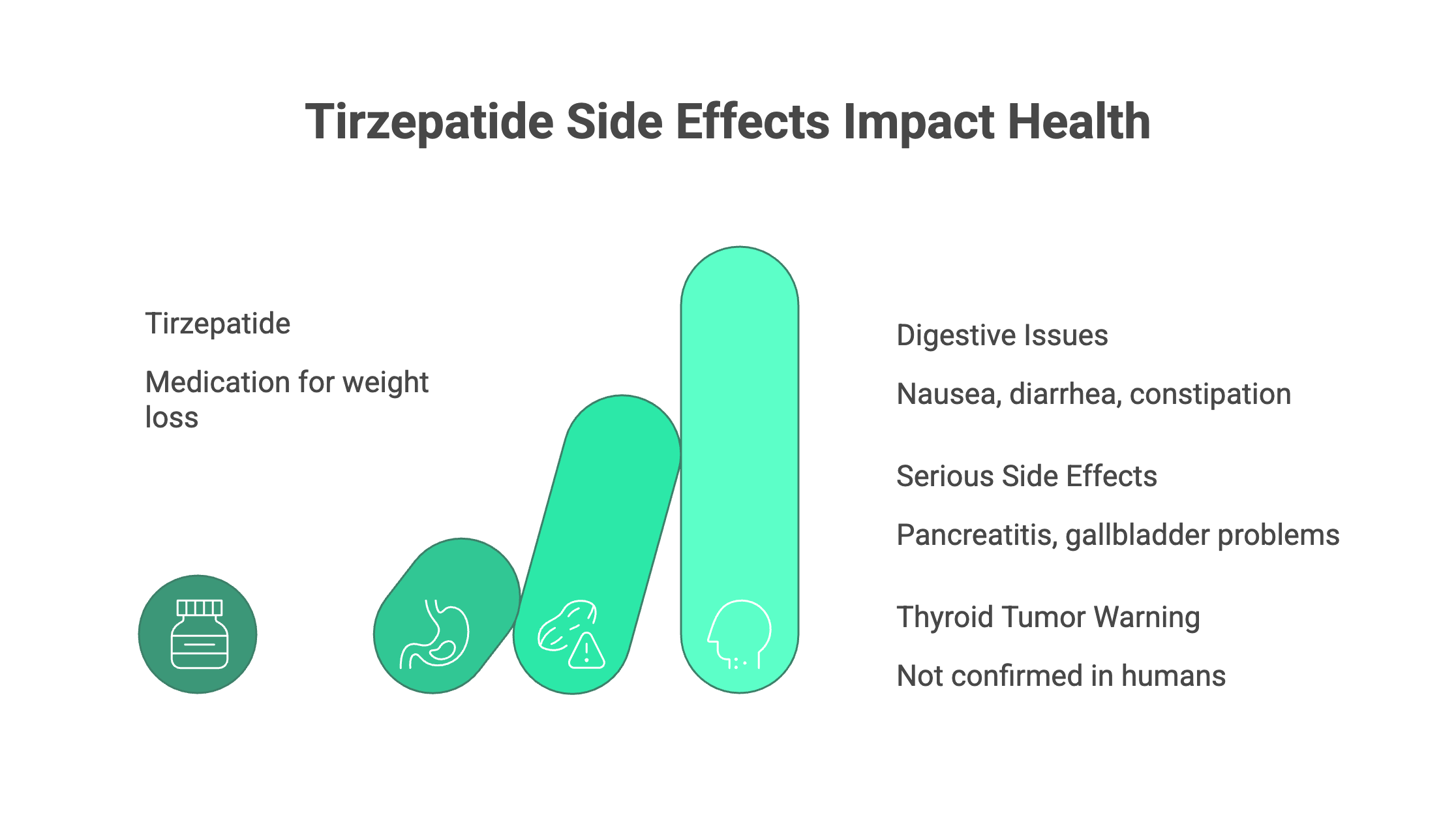
Like any medication, tirzepatide can cause side effects. The most common ones are related to your digestive system. These usually happen early on, especially when you are increasing dose, and they tend to get better as your body adjusts.
Common side effects include nausea, diarrhea, constipation, stomach discomfort, and reduced appetite. Most people find these are mild and manageable. Eating smaller meals, staying hydrated, and increasing dose slowly all help.
In rare cases, more serious side effects can occur. These include inflammation of pancreas (pancreatitis), gallbladder problems, and allergic reactions. There is also a warning about thyroid tumors found in animal studies, though this has not been confirmed in humans. People with a personal or family history of medullary thyroid cancer should not take this medication.
Your doctor will monitor you regularly while you are on tirzepatide to catch any concerns early.
Will You Regain Weight After Stopping?
This is an important question. Research shows that many people do regain some weight after stopping tirzepatide. This is because medication works by changing appetite signals in your body. When you stop taking it, those signals can return to their previous levels.
That is why doctors often recommend combining medication with lasting lifestyle changes. Building habits around balanced eating, regular movement, and good sleep can help you hold onto progress you have made, even if you eventually stop medication.
For more about how tirzepatide works and what the clinical research shows, this resource from the National Institutes of Health provides a detailed overview: Tirzepatide for Type 2 Diabetes and Weight Loss. For general information on obesity medications and FDA approved weight management options Medicines for Weight Management. If you are curious about how GLP-1 medications like tirzepatide reduce appetite and support weight loss Guaifenesin. And for a broader look at how skin and body changes can sometimes come along with metabolic shifts Dermatitis Eczema.
The Bottom Line
You do not need to have diabetes to get tirzepatide. Zepbound is FDA approved version of this medication specifically designed for weight management in people without diabetes. If you meet the BMI criteria and have a weight related health condition, your doctor can help you determine if it is right fit for you.
Weight loss is personal, and so is decision to try medication. Having an open, honest conversation with your healthcare provider is best first step.
