
Health Library
What Does Partially Distended Urinary Bladder Mean in Reports?
December 26, 2024
Question on this topic? Get an instant answer from August.
The urinary bladder is a hollow, muscular organ that plays a vital role in the urinary system. Its primary function is to store urine produced by the kidneys until it is expelled from the body. The bladder can stretch significantly, allowing it to accommodate various amounts of urine. Typically, an adult bladder can hold about 300 to 500 milliliters of liquid.
Anatomically, the bladder is found in the lower belly, right behind the pubic bone. It has a special kind of tissue called transitional epithelium, which lets it stretch and shrink easily. The detrusor muscle, a layer of smooth muscle, helps the bladder squeeze during urination.
A key idea for bladder health is when the urinary bladder is partially filled. This happens when the bladder isn't full but has enough urine to create some pressure. When doctors talk about a partially filled bladder, they are talking about a state that can affect how we urinate, leading to feelings of urgency or needing to go frequently. Understanding this condition is important for diagnosing problems and creating effective treatment plans for those affected. Knowing about a partially filled bladder is essential for keeping urinary health in check.
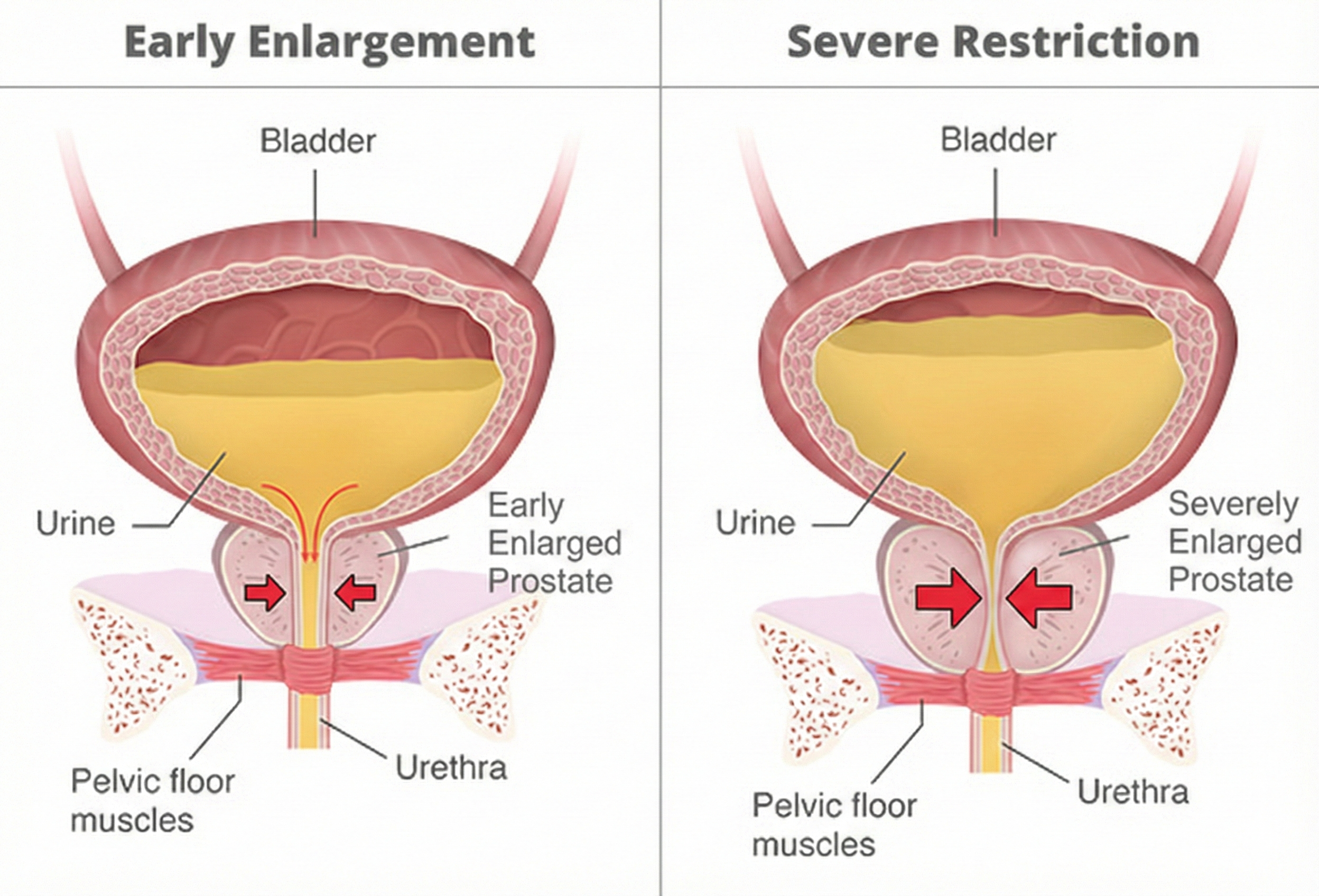
Understanding Partial Distension of the Urinary Bladder
Partial distension of the urinary bladder occurs when the bladder is neither full nor empty, often identified during diagnostic imaging like ultrasounds.
-
Bladder's Role:
The bladder stores urine until it is expelled. Its ability to fill and empty efficiently depends on proper coordination between the bladder muscles and the urinary system. -
When It Happens:
Partial distension may occur if there is residual urine after voiding or if the bladder does not fill adequately, often due to temporary or chronic factors. -
Observation on Imaging:
During an ultrasound, a partially distended bladder may appear as a bladder with urine present but not at its maximum capacity or empty. -
Impact on Function:
If left unaddressed, repeated partial distension can strain the bladder walls, potentially reducing their elasticity and overall capacity over time. -
Importance of Hydration:
Inadequate fluid intake can sometimes cause the bladder to appear partially distended, especially during imaging studies. -
Significance of the Condition:
While a single instance may not be concerning, persistent partial distension could indicate an underlying issue requiring further evaluation.
People also ask
A single observation of a partially distended bladder on an ultrasound is often just a reflection of your hydration level at that moment. It becomes more significant if you experience persistent symptoms like urgency or frequent urination. You may want to track your bathroom habits for a few days to see if the issue is recurring.
Maintaining consistent hydration and making sure to empty your bladder completely when you go can help support normal function. Establishing a routine helps your bladder muscles maintain their tone and elasticity. If you notice a consistent feeling of needing to go again shortly after finishing, it is worth looking into your voiding patterns.
Diagnosis and Evaluation
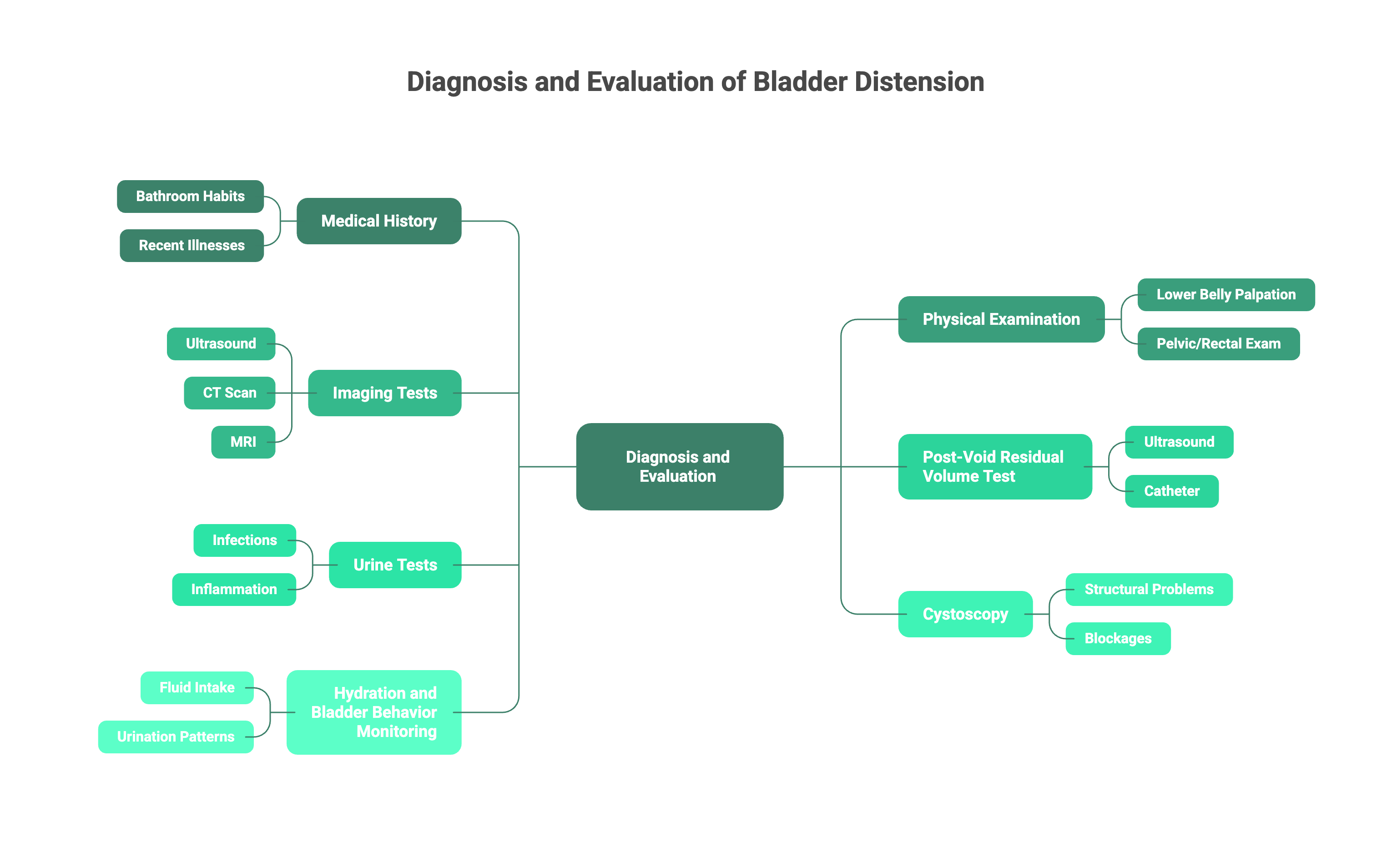
- Medical History: Doctors start by asking about your bathroom habits. They want to know how often you go to the bathroom if you feel like your bladder is emptying and if you have any pain when you pee. They might also ask about any recent illnesses, medicines, or surgeries that could impact how your bladder works.
- Physical Examination: A physical exam helps find signs of bladder problems. For instance, pressing on the lower belly can show if the bladder feels swollen or sore. Sometimes, a pelvic or rectal exam may be done to check for issues with the bladder or nearby areas.
- Imaging Tests: Ultrasound: The most common test for evaluating bladder distension. It uses sound waves to produce images, showing how full the bladder is and whether there is residual urine after urination. CT scan or MRI: These imaging techniques may be used in complex cases to provide detailed views of the bladder and surrounding organs.
- Post-Void Residual Volume (PVR) Test: This test measures how much urine remains in the bladder after urinating. It can be done using ultrasound or a catheter. A significant amount of leftover urine may indicate partial bladder distension.
- Urine Tests: A urine sample may be tested to rule out infections, inflammation, or other abnormalities that could contribute to partial distension.
- Cystoscopy: In some cases, a thin tube with a camera (cystoscope) is inserted into the urethra to view the inside of the bladder. This helps detect structural problems, blockages, or abnormalities.
- Hydration and Bladder Behavior Monitoring: Patients may be asked to track their fluid intake and urination patterns over a few days. This information helps doctors understand how hydration levels and habits affect bladder function.
People also ask
The most common and noninvasive way to check is with a post-void residual volume test using an ultrasound. This allows a technician to see exactly how much fluid remains after you have finished urinating. It is a quick and straightforward way to rule out retention issues.
Most diagnostic plans begin with simple, noninvasive steps like a physical exam and a review of your urinary patterns. A cystoscopy or other more involved procedures are generally reserved for when initial imaging shows clear structural issues. You likely will not jump to invasive testing unless your symptoms are persistent or concerning.
Treatment and Management Strategies
Lifestyle Modifications
-
Hydration: Maintaining adequate fluid intake helps ensure the bladder fills and empties properly.
-
Bladder Training: Techniques such as timed voiding or pelvic floor exercises can improve bladder control and function.
-
Avoiding Irritants: Reducing caffeine, alcohol, and spicy foods may help if bladder sensitivity contributes to the problem.
Medications
- For overactive bladder: anticholinergic or beta-3 adrenergic medications may help improve bladder muscle relaxation and reduce incomplete emptying.
- For Infections: Antibiotics are prescribed if a urinary tract infection (UTI) is causing partial distension.
- Alpha-Blockers: In cases involving prostate enlargement in men, these medications relax the bladder neck and improve urine flow.
Bladder Drainage
-
Catheterization: If urine retention causes the bladder to fill up a bit, using a temporary catheter might help to empty it.
Suprapubic catheter: In serious situations, a small tube might be put directly into the bladder through the belly to help with draining.
Surgical Options
In cases of structural abnormalities or persistent blockages, surgery may be required. This could include:
-
Urethral Dilatation: To widen narrowed passages.
-
Bladder Neck Surgery: To correct obstructions.
Regular Monitoring
Follow-up visits and periodic testing, such as post-void residual volume measurements, help ensure the bladder is functioning properly over time.
Patient Education
Teaching patients about the condition, its triggers, and self-management strategies ensures long-term success. Early intervention for recurring symptoms is also emphasized.
People also ask
Pelvic floor exercises are frequently recommended to improve muscle control and help with complete bladder emptying. These movements strengthen the muscles that support your urinary system and help you better manage the urge to go. Many people find success by working these into their daily schedule.
Medication is only one part of the picture and depends entirely on the underlying cause of your symptoms. If an infection is identified, antibiotics are typically the first line of defense, while other drugs may be used for muscle relaxation. Management strategies are almost always tailored to your specific health profile.
Summary
Managing a partially full bladder involves finding out what’s causing the problem, easing symptoms, and stopping further issues. Making lifestyle changes like drinking enough water, training your bladder, and avoiding things that irritate it are important for better bladder health.
Physical therapy, especially pelvic floor exercises, can help strengthen the muscles that support the bladder. Regular check-ups and educating patients are key to maintaining good bladder health. Using these approaches together can help restore normal bladder function, reduce discomfort, and improve a patient’s overall quality of life.
FAQs
1. Can a distended bladder cause permanent damage?
If left untreated for a prolonged period, a distended bladder can lead to damage such as reduced bladder function, stretching of the bladder walls, or urinary tract infections. Timely treatment can help prevent long-term damage.
2. What are the symptoms of a distended bladder?
Symptoms of a distended bladder may include difficulty urinating, a sensation of incomplete emptying after urination, lower abdominal discomfort, or frequent urges to urinate without being able to pass much urine.
3. How can a distended bladder be treated?
Treatment for a distended bladder depends on the underlying cause but may include medications, catheterization to empty the bladder, bladder training, or addressing conditions like prostate enlargement or infections.
Health Companion
trusted by 6M people
Get clear medical guidance
on symptoms, medications, and lab reports.
Your health journey starts with a single question
Download August today. No appointments. Just answers you can trust.
