
The standard adult dosage of clindamycin taken by mouth is 150 to 300 mg every six hours for serious infections, and 300 to 450 mg every six hours for more severe infections. Your exact dose depends on type and severity of infection you are being treated for. Your doctor will determine right amount for you.
Clindamycin is lincosamide antibiotic that works by stopping bacteria from making proteins they need to grow. It used for range of bacterial infections, but because it carries specific risk of serious gut related side effects, it typically reserved for infections where other antibiotics are not appropriate.
What Are Standard Oral Doses?
Clindamycin comes as capsules (150 mg and 300 mg) and as an oral solution (liquid). For adults, FDA approved prescribing information outlines two dosing tiers based on severity.
For serious infections, recommended dose is 150 to 300 mg taken every six hours. That works out to four doses per day, spaced roughly evenly throughout day.
For more severe infections, dose increases to 300 to 450 mg every six hours. The maximum daily dose that has been studied in healthy volunteers 2 grams (2,000 mg) per day for up to 14 days, though GI side effects become more common at higher doses: Clindamycin Capsule FDA Label
Your doctor may prescribe a dose within or outside these ranges depending on your specific situation. Always follow dosage your provider gives you rather than adjusting on your own.
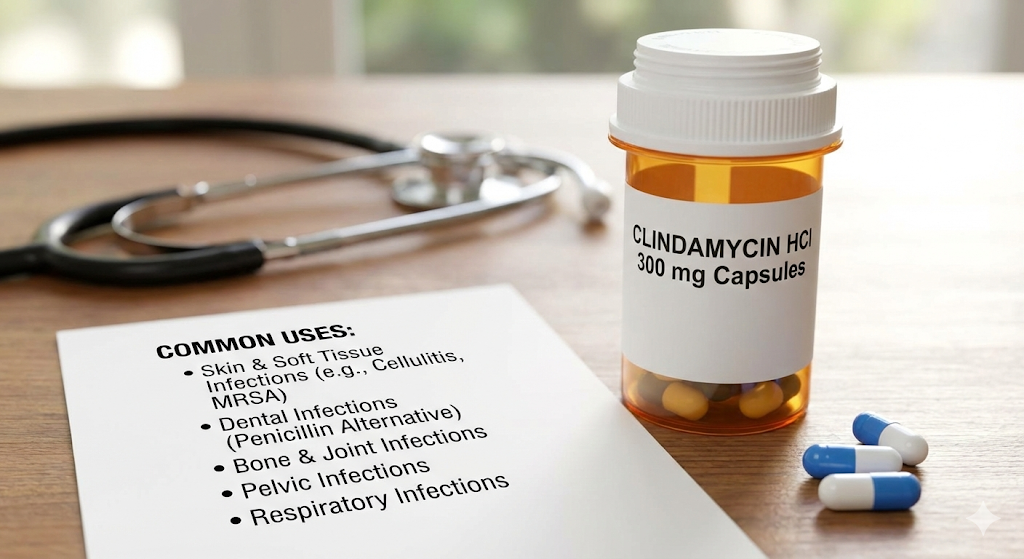
What Is Clindamycin Commonly Prescribed For?
Clindamycin treats a wide range of bacterial infections. It is effective against many gram positive bacteria (like staph and strep) and anaerobic bacteria (bacteria that grow without oxygen). Here are some of most common reasons adults are prescribed clindamycin.
Skin and soft tissue infections. This includes cellulitis, abscesses, wound infections, and some cases of MRSA (methicillin-resistant Staphylococcus aureus) skin infections. A typical dose for skin infections 300 to 450 mg every six to eight hours for seven to ten days.
Dental and oral infections. Clindamycin is a common alternative for dental infections in people who are allergic to penicillin. It also used to prevent endocarditis (an infection of heart valves) before certain dental procedures in at-risk patients. The typical preventive dose single 600 mg dose taken one hour before procedure.
Bone and joint infections. Infections like osteomyelitis (bone infection) may require extended courses of clindamycin, sometimes for several weeks.
Pelvic and gynecological infections. Clindamycin is used for bacterial vaginosis (as a vaginal cream or oral capsule) and for certain pelvic inflammatory infections.
Lung and respiratory infections. It can be used for lung abscesses and aspiration pneumonia, particularly when anaerobic bacteria are involved.
If you are curious about whether clindamycin is appropriate for urinary tract infections, short answer that it generally not first-line choice for UTIs. This guide explains why and what alternatives are typically used: Clindamycin for UTI?
How Should You Take Clindamycin?
Taking clindamycin correctly can help it work better and reduce risk of side effects.
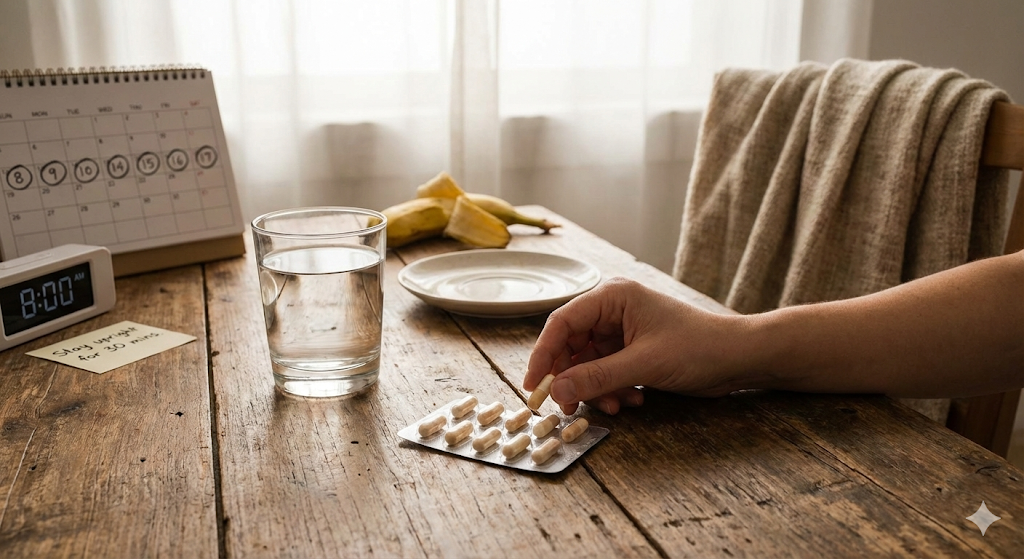
Swallow capsules whole with a full glass of water (six to eight ounces). Do not crush, chew, or split capsules. Stay upright for at least 30 minutes after taking capsule. Lying down too soon can cause capsule to irritate your esophagus, which may lead to painful swallowing or heartburn.
You can take clindamycin with or without food. Food does not significantly affect how much of drug your body absorbs. Some people find that taking it with small snack helps reduce stomach discomfort.
Try to space your doses evenly throughout day. If you are taking it every six hours, that means roughly at breakfast, lunch, dinner, and bedtime. Keeping consistent levels of drug in your blood helps it work more effectively against infection.
Finish your entire course of treatment, even if you start feeling better before it is done. Stopping too early can allow remaining bacteria to survive and potentially become resistant to antibiotic.
Does Dose Change for Older Adults?
The standard dose does not need to change based on age alone. Studies comparing older adults (ages 61 to 79) with younger adults (ages 18 to 39) found that age does not significantly alter how clindamycin is cleared from body.
However, elimination half-life does increase slightly in older adults. In younger adults, clindamycin's half-life is about 3.2 hours. In older adults, it increases to about 4 hours. This is a small difference and does not require dose adjustment as long as kidney and liver function are normal.
If you have significant liver disease, your doctor may monitor your liver enzymes more closely during treatment, though dose modification is not always necessary.
What About IV and Injection Forms?
For infections that are too severe for oral treatment, or when a patient cannot take pills, clindamycin is also available as an injection. The injectable form is typically given in hospital or clinical setting.
The injectable dose for adults ranges from 600 to 2,700 mg per day, divided into two to four doses given either intravenously (into vein) or intramuscularly (into muscle). Single IM doses should not exceed 600 mg. IV infusions should be given over 10 to 40 minutes, never as rapid bolus injection.
The U.S. National Library of Medicine notes that injectable form is used for same types of serious infections as oral form, including lung, skin, blood, bone, joint, and pelvic infections: Clindamycin Drug Information
What Are Most Important Side Effects to Know About?
Clindamycin's most serious risk is Clostridioides difficile (C. diff) infection. This happens when antibiotic disrupts normal balance of bacteria in your gut, allowing C. diff bacteria to overgrow. C. diff can cause severe diarrhea, colitis (inflammation of colon), and in rare cases can be life-threatening.
This risk is why clindamycin carries a specific warning and is reserved for infections where other, less risky antibiotics are not suitable.
You should contact your doctor right away if you experience watery or bloody diarrhea, severe stomach cramps, or fever during treatment or in weeks after finishing your course. C. diff symptoms can appear up to two months after you stop taking medication.
Other common but less serious side effects include mild diarrhea or loose stools, nausea, stomach pain, and vaginal yeast infections (since antibiotics can disrupt normal vaginal flora too). If you want to understand more about how antibiotics can affect your digestive system and what to watch for, this guide covers topic: Antibiotic-Associated Diarrhea
Bottom Line
The standard adult oral dose of clindamycin is 150 to 300 mg every six hours for serious infections, increasing to 300 to 450 mg every six hours for more severe infections. It available in capsule, liquid, injectable, topical, and vaginal forms depending on type of infection. The most important thing to remember to take full course as prescribed, take each dose with a full glass of water while staying upright, and watch for signs of C. diff infection, especially persistent or worsening diarrhea. If you have any questions about your specific dose, your doctor or pharmacist best person to ask.
