
No, gabapentin does not show up on most standard drug tests. If you take gabapentin and have a screening coming up, this is probably the first thing you want to hear. And it is true for the vast majority of situations.
Standard drug panels are designed to detect substances like opioids, amphetamines, marijuana, cocaine, and benzodiazepines. Gabapentin is not part of that list. Its chemical structure is completely different from those drugs, so it will not trigger a positive result.
That said, there are some situations where gabapentin can be detected. Let's go through what you need to know.
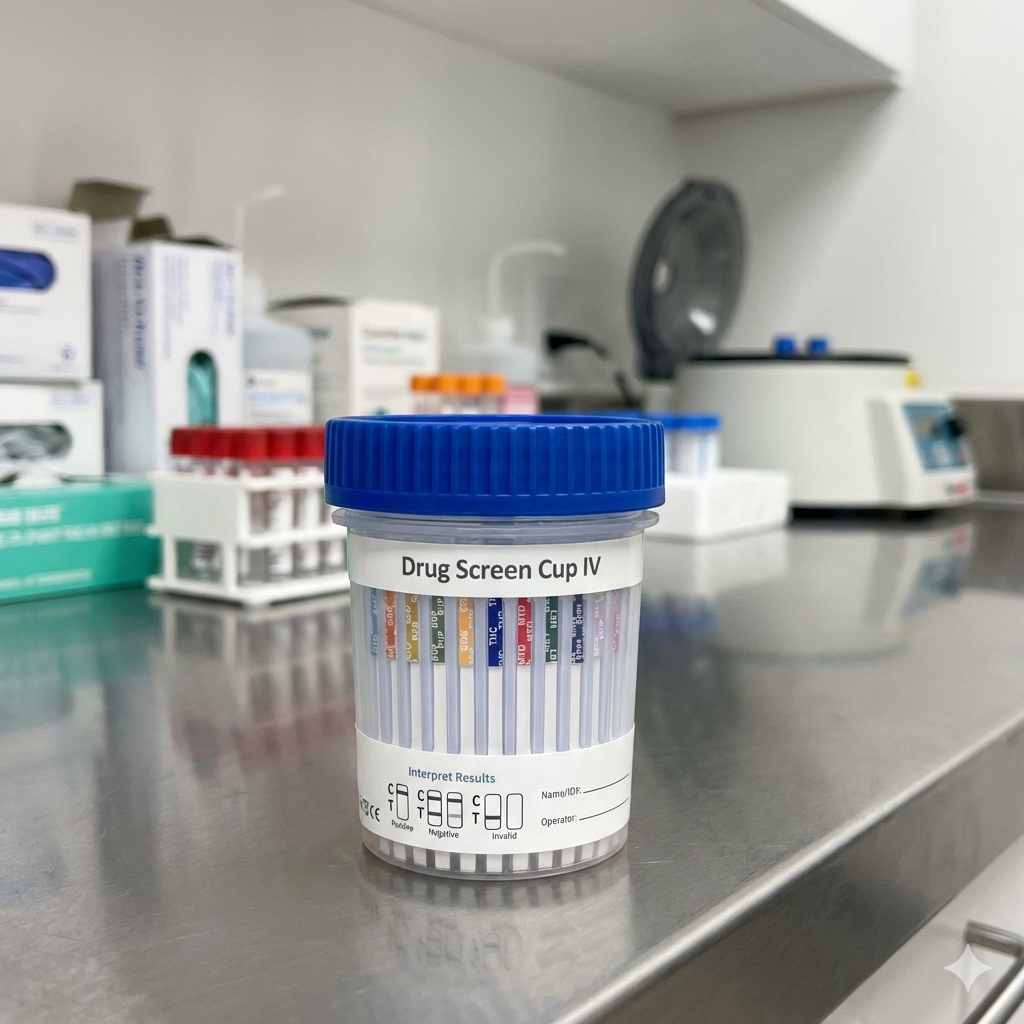
Why Doesn't Gabapentin Show Up on Standard Tests?
Standard drug tests use something called an immunoassay method. This method looks for specific drug classes based on their chemical structure. Gabapentin does not belong to any of those classes.
Gabapentin is an anticonvulsant medication. Doctors prescribe it for nerve pain, seizures, and sometimes conditions like anxiety or restless leg syndrome. It works by calming overactive nerve signals in the brain. Even though it affects your nervous system, it is structurally different from controlled substances like benzodiazepines or opioids.
Because of this, gabapentin will not cause a false positive for any other drug on a standard panel. You do not need to worry about your prescription being mistaken for something else.
Can Any Drug Test Detect Gabapentin?
Yes, but only if the test is specifically designed to look for it. These are called specialized or extended panel tests. They use advanced methods like liquid chromatography-mass spectrometry to identify medications that standard screens miss.
These tests are not common. You will not encounter them in a typical workplace drug screening. They are usually ordered in specific settings where there is a reason to monitor gabapentin use closely.
Here are some situations where a specialized gabapentin test might be used:
- Pain management clinics that need to confirm patients are taking their prescribed medications correctly
- Addiction treatment programs where doctors monitor all substances a patient may be using
- Court-ordered drug screenings that include extended panels as part of legal compliance
- Certain forensic investigations
If you take gabapentin with a valid prescription, even a specialized test should not cause any problems. The test simply confirms the presence of the medication. Having documentation of your prescription is enough to explain the result.
How Long Does Gabapentin Stay in Your System?
If you do face a test that screens for gabapentin, it helps to know how long the medication stays detectable.
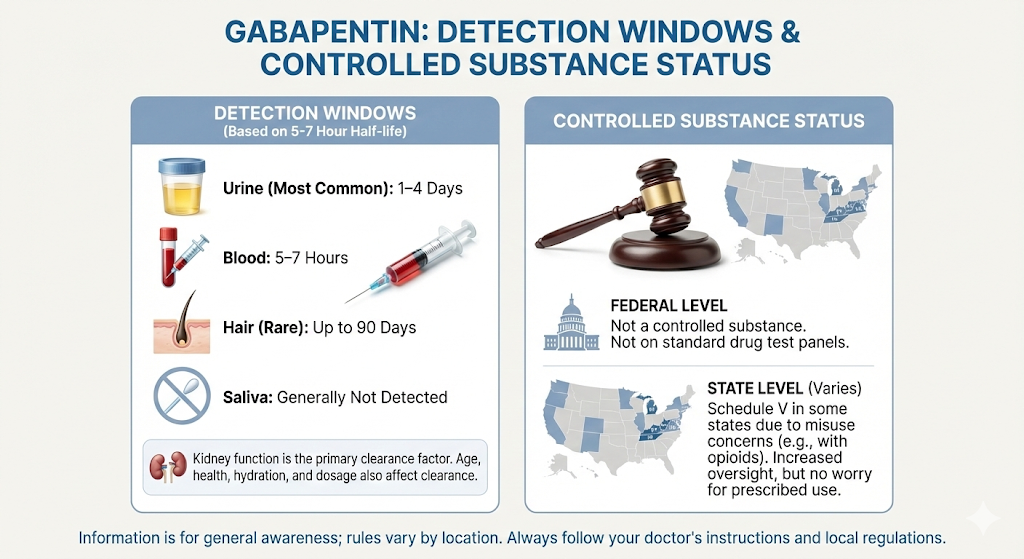
Gabapentin has a relatively short half-life of about five to seven hours. Your body eliminates it fairly quickly compared to many other medications. Here is a general idea of detection windows by test type:
- Urine tests can detect gabapentin for about one to four days after your last dose. Urine testing is the most common method used when someone specifically screens for this medication.
- Blood tests can detect it for roughly five to seven hours. This is a very short window, which makes blood tests less practical for detecting gabapentin.
- Hair tests could potentially detect gabapentin for up to 90 days. However, hair testing for gabapentin is extremely unusual and would only happen in rare forensic situations.
- Saliva tests generally do not detect gabapentin at all.
Your kidney function plays the biggest role in clearance because gabapentin is processed almost entirely through the kidneys. Age, overall health, hydration, and dosage can also make a difference.
Is Gabapentin a Controlled Substance?
This is where things get a little nuanced. At the federal level, gabapentin is not classified as a controlled substance by the Drug Enforcement Administration. This is one reason it is not included in standard drug test panels.
However, several states have taken a different approach. Due to growing concerns about misuse, especially when combined with opioids, some states now classify gabapentin as a Schedule V controlled substance. Schedule V is the lowest level, meaning the risk of dependence is considered relatively low.
States like Kentucky, West Virginia, Michigan, Tennessee, and Virginia have made this change. Several others require pharmacies to report gabapentin prescriptions through their prescription drug monitoring programs, even without officially scheduling it.
This growing attention does not mean you should worry. It simply means that in certain states, there may be more oversight around prescribing. If you take gabapentin as directed, you have nothing to be concerned about.
What Should You Do Before a Drug Test?
If you have a drug test coming up and you take gabapentin, a few simple steps can help you feel confident.
First of all, bring your prescription information. This could be your pharmacy bottle, a printout from your pharmacy, or a note from your doctor. Having documentation ready shows that your use is medically supervised and legitimate.
Next up, let the testing facility know about your medications ahead of time. Most facilities will ask you to list your current prescriptions before the test. Being upfront prevents any confusion if a more detailed screening happens.
Lastly, talk to your prescribing doctor if you feel unsure. They can provide a letter or additional documentation confirming your prescription. This is especially helpful if you are dealing with a court-ordered test or a situation that involves extended drug panels.
Can Gabapentin Cause a False Positive for Other Drugs?
No, gabapentin should not trigger a false positive for other substances. Its unique chemical structure means it does not cross-react with immunoassay tests designed for opioids, benzodiazepines, amphetamines, or any other standard drug class.
If you ever receive an unexpected result, a confirmation test using advanced technology can easily sort out what is present in your sample.
You Can Feel at Ease
If gabapentin is part of your treatment plan, a routine drug test should not be a source of stress. The medication will not appear on standard screenings. Even in the rare case of a specialized test, your prescription documentation is all you need.
Keep taking your medication as your doctor prescribed. If you have questions about how gabapentin interacts with a specific testing situation, your healthcare provider or pharmacist can give you guidance tailored to your circumstances.
