
Health Library
Does Sleeping Naked Increase Testosterone? Here Is What the Evidence Says
February 19, 2026
Question on this topic? Get an instant answer from August.
Sleeping naked does not directly increase testosterone. There is no study that shows removing your clothes at night triggers your body to produce more of this hormone. However, sleeping without clothing can support two things that do influence testosterone: better sleep quality and cooler scrotal temperature.
How Does Sleep Affect Testosterone?
Sleep is one of most important factors in testosterone production. Your body produces majority of its daily testosterone while you sleep, especially during deep sleep and REM (rapid eye movement) stages.
A review published in PMC on sleep disorders and testosterone found that rise in testosterone is sleep dependent, not just tied to your body clock. It requires at least three hours of sleep with normal sleep architecture. This means your body needs to cycle through proper stages of sleep for testosterone to be produced efficiently.
When sleep cut short, effect is significant. A study cited in same review found that healthy young men who slept only five hours a night for eight nights experienced a 10 to 15 percent drop in testosterone levels. That a meaningful decline from just mild sleep restriction.
So real question becomes: does sleeping naked help you sleep better?
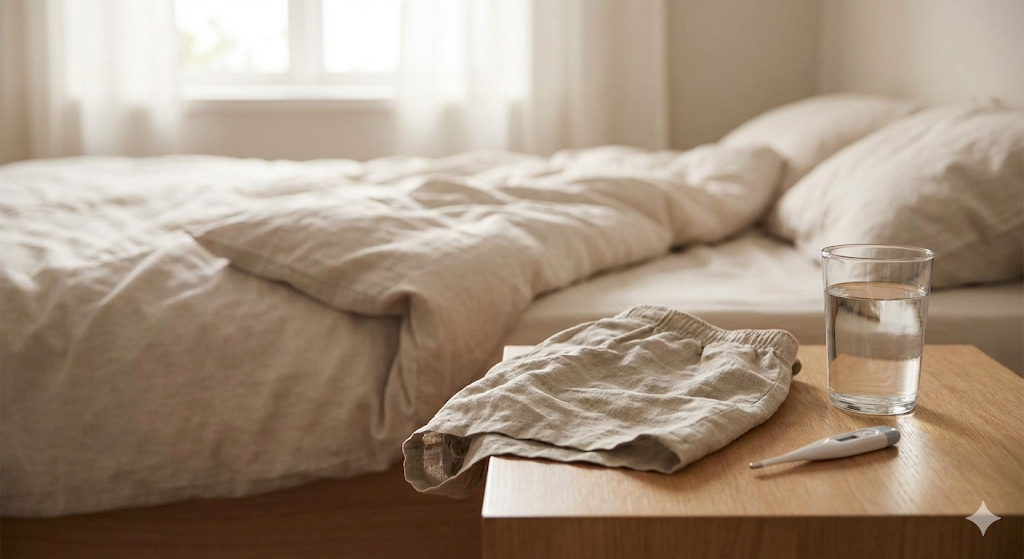
Can Sleeping Naked Improve Sleep Quality?
It can, and reason comes down to body temperature.
Your body naturally cools down as you prepare for sleep. This drop in core temperature a signal to your brain that it time to rest. It triggers release of melatonin, hormone that helps you fall asleep and stay asleep.
Wearing heavy or tight clothing to bed can trap heat and interfere with this natural cooling process. Sleeping without clothes allows your skin to release heat more freely. This can help you fall asleep faster, stay in deep sleep longer, and reduce number of times you wake during night.
Better sleep quality means your body has a better chance of cycling through deep sleep stages where testosterone production happens. So while sleeping naked does not raise testosterone on its own, it may support conditions your body needs to produce it efficiently.
Does Scrotal Temperature Matter for Testosterone?
Yes, and this where sleeping naked may offer a more direct benefit for men.
The testicles are located outside body for a reason. They need to stay about 2 to 4 degrees Celsius cooler than your core body temperature for optimal function. Both sperm production and testosterone synthesis are sensitive to heat.
A study published in PubMed found that scrotal temperatures are highest during rest and sleep. The researchers showed that nocturnal scrotal cooling led to a significant increase in sperm concentration and total sperm output. While this particular study focused on sperm quality, same principle applies to Leydig cells in testicles that produce testosterone. Excessive heat can impair their function over time.
Wearing tight underwear or heavy pajamas to bed can raise scrotal temperature and trap heat right where you do not want it. Sleeping naked, or at least in loose clothing, allows scrotal area to stay cooler throughout night.
Research has also shown that men who wear loose fitting boxers tend to have higher sperm counts compared to those who wear tight underwear. The connection between testicular temperature and reproductive health well supported.
If you are curious about how lifestyle habits affect sperm health, read on whether masturbation affects sperm count explores another common question.
What Actually Determines Your Testosterone Levels?
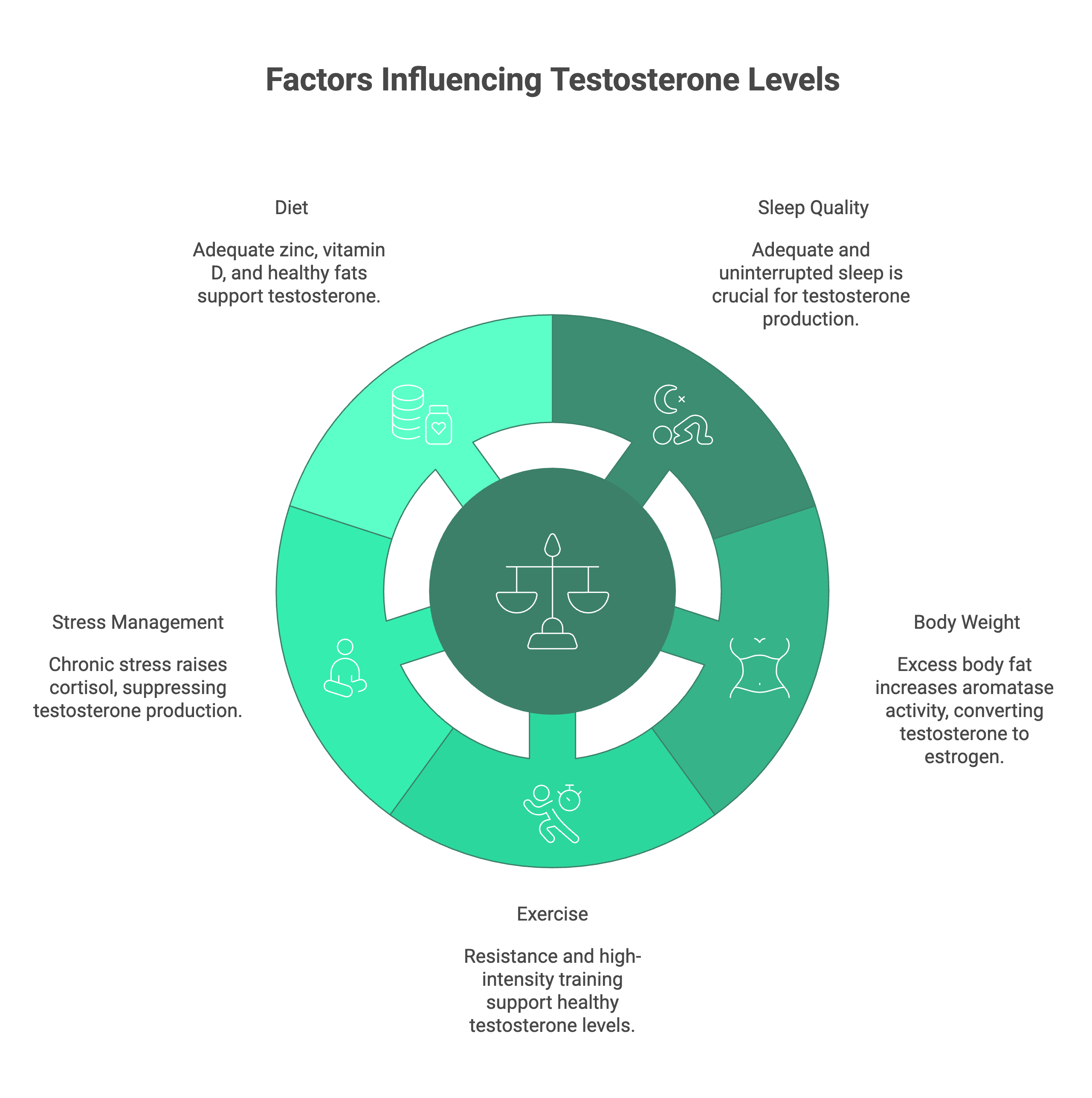
Sleeping naked a small piece of a much larger picture. Several factors have a stronger and more consistent impact on testosterone levels.
Sleep duration and quality sit near top of list. Getting seven to nine hours of uninterrupted sleep each night gives your body time it needs to produce adequate testosterone. Poor sleep, shift work, and sleep disorders like obstructive sleep apnea are all linked to lower testosterone levels.
Body weight matters too. Excess body fat, especially around midsection, increases aromatase activity. Aromatase an enzyme that converts testosterone into estrogen. The more body fat you carry, more testosterone may be converted, leaving less circulating in your blood.
Exercise, particularly resistance training and high intensity interval training, has been shown to support healthy testosterone levels. Physical activity also helps with weight management and improves sleep quality, creating a positive cycle.
Stress another important factor. Chronic stress raises cortisol, your body's main stress hormone. High cortisol can suppress testosterone production. Finding ways to manage stress through movement, rest, or other healthy outlets can make a real difference.
Diet plays a role as well. Adequate zinc, vitamin D, and healthy fats support testosterone production. Excessive alcohol intake can lower it.
Certain medications, including some antidepressants and blood pressure drugs, can also affect testosterone. If you take medication and have noticed changes in energy, mood, or sexual function, check on how buspirone affects sexual health may offer useful context.
Does Age Affect How Sleep Impacts Testosterone?
It does. Testosterone naturally declines with age, typically starting in mid 30s. At same time, sleep quality tends to decrease with age as well. Older adults tend to spend less time in deep sleep and are more likely to wake during night.
A large study using NHANES data (National Health and Nutrition Examination Survey) found that association between sleep duration and testosterone levels varies by sex and age group. In younger men, shorter sleep was more clearly linked to lower testosterone levels.
This means habits you build around sleep now, including what you wear (or do not wear) to bed, can have a compounding effect over time.
Are There Other Benefits of Sleeping Naked?
Beyond possible hormonal effects, sleeping without clothing may offer a few other benefits.
It can reduce risk of yeast infections and bacterial overgrowth in women by keeping genital area ventilated. It may support skin health by allowing skin to brethe aand reducing friction. It can also help couples feel more connected through skin to skin contact, which promotes oxytocin release.
These are not dramatic health claims, but they are small, practical gains from a simple habit.
Bottom Line
Sleeping naked does not directly increase testosterone. But it can improve sleep quality by helping your body cool down, and it can keep scrotal temperature lower during night. Both of these factors support conditions that allow your body to produce testosterone more efficiently. Combined with good sleep habits, regular exercise, a healthy weight, and stress management, sleeping naked is one simple step that fits into a larger picture of hormonal health.
Health Companion
trusted by
6Mpeople
Get clear medical guidance
on symptoms, medications, and lab reports.

download august