
Health Library
What Is Dr. Gina Sam MD 7 Second Method?
February 25, 2026
Question on this topic? Get an instant answer from August.
Key Takeaways:
> Dr. Gina Sam, MD, is a gastroenterologist who created a quick morning routine to help ease constipation naturally.
> The method involves drinking warm water, doing a simple yoga pose, and taking a few deep breaths right after waking up.
> Each step has some research behind it, but it not a replacement for medical care if your constipation is ongoing.
Here is breaks down:
Who Is Dr. Gina Sam, MD?
Dr. Gina Sam is a board certified gastroenterologist with over 20 years of clinical experience. She graduated from Tufts University School of Medicine and trained at Mount Sinai Medical Center in New York. She went on to found Gastrointestinal Institute of Motility and Integrative Health.
Her specialty is gastrointestinal motility. That just means she focuses on how food and waste move through your digestive tract. She treats constipation more often than most providers in her field, and that hands on focus what shaped this morning ritual.
She gained wider attention after sharing digestive health tips on social media. Her 7 second poop method went viral, and since then, there has been a lot of confusion about what method actually involves.
What Is 7 Second Morning Ritual by Dr. Gina Sam?
The name is a bit of marketing. You will not finish whole routine in 7 seconds. But each step is quick enough that full thing takes about a minute, sometimes less. Here what it includes:
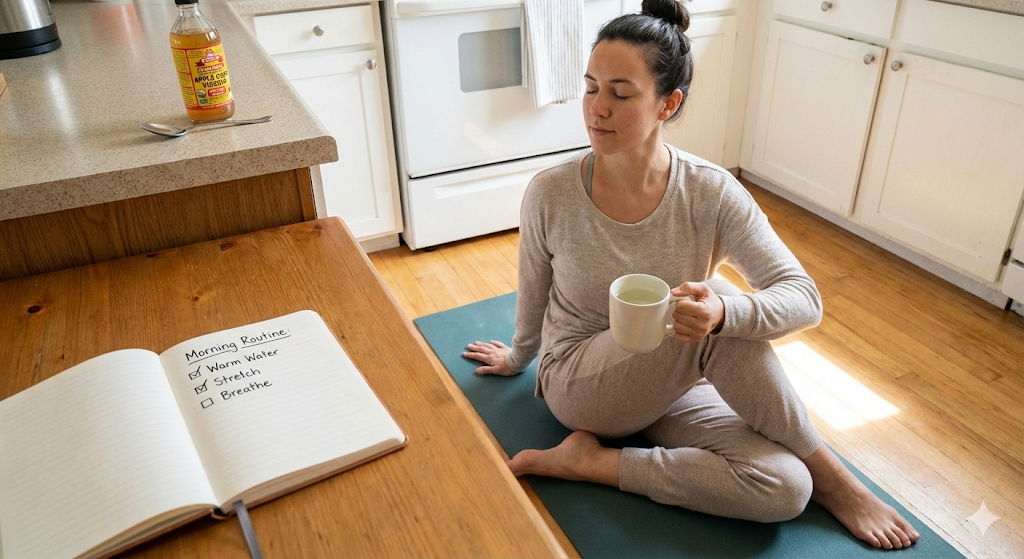
1. Drink a full glass of warm or room temperature water on an empty stomach. Your body has gone 6 to 8 hours without fluids. This water helps soften stool and gently signals your intestines to start working.
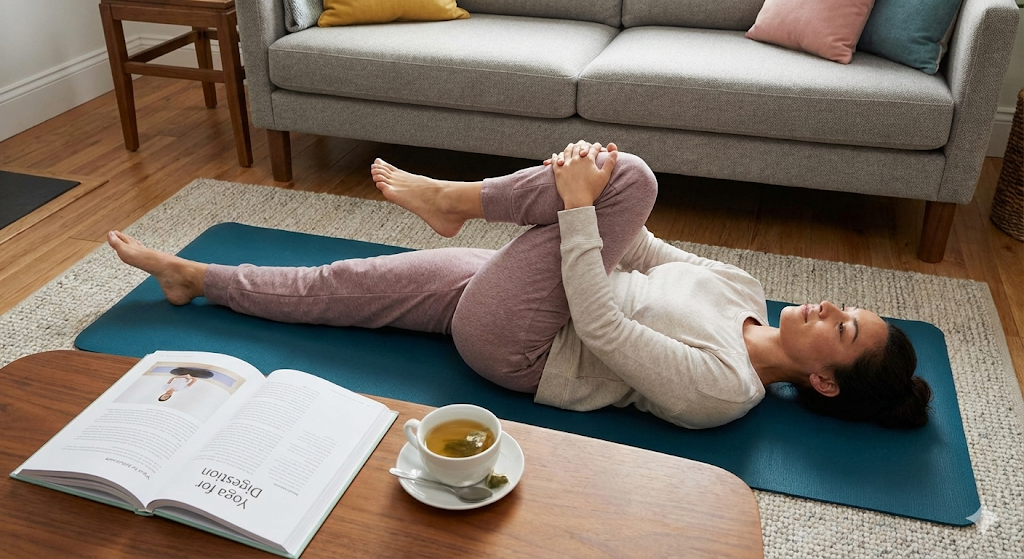
2. Do wind relieving yoga pose (Pawanmuktasana). Lie on your back and bring both knees to your chest. Hold for a few seconds. This compresses colon, helps release trapped gas, and encourages stool to move.
3. Take a few slow, deep breaths using your diaphragm. This activates your parasympathetic nervous system, which is "rest and digest" side of your body. It relaxes muscles around your gut and pelvic floor.
You can do all of this in bed. No equipment, no supplements, no cost.
Can Yoga Poses Help You Poop?
Yes, certain poses can. The wind relieving pose in particular applies gentle pressure to your lower abdomen. That pressure helps move trapped gas and encourages waste to shift along your intestines.
A number of studies have looked at yoga for digestive support. Research published through National Institutes of Health found that yoga based practices may improve symptoms of constipation, especially when stress a contributing factor. The physical compression paired with relaxation seems to help gut function more smoothly.
You do not need to be flexible. You do not need experience. Even holding that knee to chest position for 10 or 15 seconds can be enough to feel a difference. If you deal with bloating alongside your constipation, this pose can offer some relief on that front too.
How Does Deep Breathing Affect Your Bowel Movements?
This is part most people do not expect. Your breathing and your bowel movements are connected through same nervous system.
When you are stressed, your body shifts into "fight or flight" mode. Your muscles tighten, including ones around your digestive tract. That makes it harder for waste to move through. Slow, deep breaths reverse that. They activate parasympathetic response, which tells your body it safe to relax and digest.
Stress is one of most overlooked causes of constipation. Research from NIDDK (National Institute of Diabetes and Digestive and Kidney Diseases) recognizes that changes in daily routine, emotional stress, and lack of physical activity can all contribute to constipation. Deep breathing addresses stress piece directly. It lowers cortisol, eases pelvic floor tension, and creates kind of calm your gut needs to do its job.
Does 7 Second Poop Method Actually Work?
Here is honest answer. There are no clinical trials that specifically test "7 second poop method" as a packaged protocol. The name catchy, but it not a formally studied treatment.
That said, each individual step has evidence behind it. Warm water on an empty stomach may improve intestinal motility. Yoga poses like Pawanmuktasana can relieve constipation and gas. Deep breathing activates parasympathetic system and reduces stress related gut tension.
Many people who try this consistently say they notice better regularity within a few days to two weeks. But results depend on your diet, hydration, stress levels, and overall health. If your constipation has deeper roots, this alone will not fix it.
You may have also seen TikTok version where you rub your fists together, thumb to thumb. That version claims to stimulate acupressure points in hands. There no scientific evidence for that. The water, stretching, and breathing version is one grounded in actual physiology.
Some people also add apple cider vinegar to their morning water. A small amount, about two teaspoons diluted in a cup, may support digestion based on early research. It not required for method to work. And if you have acid reflux, skip it.
When Should You See a Doctor for Constipation?
If this ritual has not helped after two weeks of consistent effort, that is your body telling you something.
The NIDDK defines constipation as having fewer than three bowel movements a week, or stools that are hard, dry, or painful to pass. According to their guidelines, adults should aim for 22 to 34 grams of fiber daily, along with adequate hydration and regular physical activity.
Some common reasons constipation hangs around even with good habits:
> Low fiber intake. Fruits like apples, kiwis, pears, and raspberries are great natural sources.
> Dehydration. Even mild dehydration hardens stool. Aim for 6 to 9 cups of water a day.
> Sitting too much. Movement stimulates intestinal contractions. Even a short walk after meals can help.
> Medications. Painkillers, antidepressants, and iron supplements are common culprits.
> Stress. Chronic stress directly slows your gut.
These are usual suspects, and they tend to respond well to lifestyle changes.
But in rarer cases, persistent constipation may signal something that needs a closer look. Pelvic floor dysfunction means muscles that help you go are not coordinating properly. Hypothyroidism can slow gut function across board. And in very rare situations, structural issues like a blockage or narrowing in intestines may be involved.
If you notice blood in your stool, unexplained weight loss, constant abdominal pain, or a sudden shift in your bowel habits, see your doctor. These are not things to sit on. If you are also wondering whether simple home remedies like heat therapy might ease your constipation, thats worth exploring alongside your routine.
How to Start This Ritual Every Morning
Set your alarm two minutes earlier. Before you reach for your phone, drink your glass of warm water. Do knee to chest stretch right there in bed. Then take three or four slow breaths.
That is it. Consistency matters more than doing it perfectly. If you miss a day, just pick it back up next morning. Over time, your body starts to expect it.
For best results, pair ritual with fiber rich meals, enough water throughout day, regular movement, and whatever helps you manage stress. A morning routine a starting point. It works better when rest of your day supports it too.
Bottom Line
Dr. Gina Sam MD built this ritual around real physiological principles. Warm water rehydrates and softens stool. Gentle compression moves trapped gas. Deep breathing calms your gut. None of it complicated, and none of it costs a thing.
It will not cure chronic constipation on its own. But as a daily habit, it gives your body a gentle, consistent nudge in right direction. Start small. Stay with it. And if your body keeps struggling, thats a sign to dig deeper with a professional.
Your gut deserves more than guesswork. If constipation keeps coming back, or your symptoms are hard to pin down, August can help you make sense of what is going on. Get clear, personalized guidance at meetaugust.ai.
Health Companion
trusted by
6Mpeople
Get clear medical guidance
on symptoms, medications, and lab reports.

download august