
Health Library
How Long Does Pink Eye Last? Symptoms, Contagion, and Treatment
December 29, 2025
Question on this topic? Get an instant answer from August.
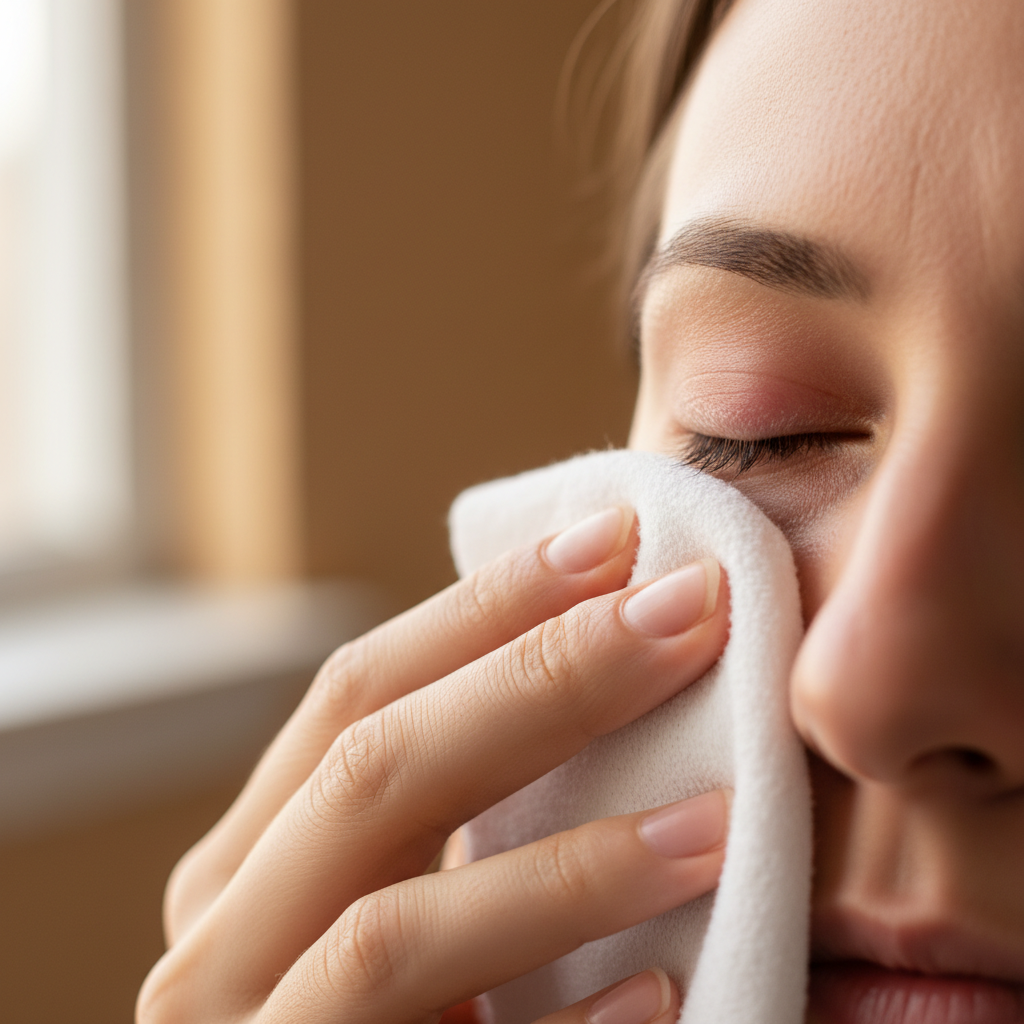
Pink eye, medically known as conjunctivitis, is an inflammation of the conjunctiva. This is the thin, transparent membrane that lines the inside of your eyelid and covers the white part of your eye source. When the tiny blood vessels in this membrane become inflamed, they become more visible, giving the eye its pink or reddish color.
The 3 Main Reasons: Understanding the Types of Pink Eye
Knowing the cause of your conjunctivitis is important to know recovery time and treatment plan. While many symptoms overlap, there are distinct differences between the three main types.
-
Viral Conjunctivitis: This is the most common type of pink eye and is often caused by the same viruses responsible for the common cold or flu, like adenoviruses. It’s highly contagious and can spread quickly through schools and workplaces.
-
Bacterial Conjunctivitis: Caused by a bacterial infection, this type of pink eye is also very contagious. It is particularly common in children and is often characterized by a significant amount of discharge.
-
Allergic Conjunctivitis: This type is your body’s reaction to an allergen, such as pollen, pet dander, dust mites, or chlorine from a swimming pool. It is not contagious.
How Long Does Pink Eye Usually Last?
Now, let’s get to the answer you’re looking for. The conjunctivitis duration varies significantly based on the cause. Here’s the typical time it takes for each type.
Viral Conjunctivitis Duration
If a virus is to blame, you’ll need to be patient. Viral conjunctivitis typically lasts for 7 to 14 days, though some stubborn cases can linger for up to three weeks before fully resolving source.
-
Symptoms: Often start in one eye and may spread to the other within a few days.
-
Progression: Symptoms tend to worsen for the first 3-5 days before they gradually begin to improve.
-
Contagious Period: You are contagious as long as you have symptoms.
Since it’s caused by a virus, antibiotics won’t help. Treatment focuses on symptom relief while your body’s immune system fights off the infection, much like it does with a common cold.
Bacterial Conjunctivitis Duration
With bacterial conjunctivitis, the time can be a bit more variable.
-
Without Treatment: Mild cases may clear up on their own within 2 to 5 days, but some infections can last for up to two weeks source.
-
With Treatment: If your doctor prescribes antibiotic eye drops or ointment, you’ll likely see a significant improvement in symptoms within 24 to 48 hours. The infection is typically considered no longer contagious after 24 hours of starting antibiotics. Even with treatment, it’s important to complete the full course of medication, which usually lasts 5 to 10 days, to ensure the infection is completely gone.
Allergic Conjunctivitis Duration
The timeline for allergic conjunctivitis is the most straightforward: it lasts as long as you are exposed to the allergen.
-
Symptoms: Will flare up when you’re around triggers like pollen during allergy season, a cat at a friend’s house, or dust during spring cleaning.
-
Relief: Symptoms will improve and resolve once you remove the allergen or take allergy medication like antihistamines. This could be a matter of hours or days. For seasonal allergies, symptoms may persist throughout the season.
How Long Is Pink Eye Contagious?
This is a critical concern, especially for parents and anyone who works closely with others. The answer depends on the type of pink eye you have.
The rule of thumb for how long is pink eye contagious is simple: if it’s infectious (viral or bacterial), it’s contagious as long as you are experiencing active symptoms, particularly tearing and discharge source.
-
Viral Pink Eye: Contagious for as long as symptoms are present, often up to two weeks. It spreads very easily through close contact or touching contaminated surfaces.
-
Bacterial Pink Eye: Contagious until you’ve been on antibiotics for at least 24 hours or until the discharge from the eye has stopped.
-
Allergic Pink Eye: It is not contagious at all. You can’t “catch” an allergic reaction from someone else.
Recognizing the Telltale Signs: Pink Eye Symptoms
While redness is the most famous symptom, there are several others to watch for. Knowing the specific pink eye symptoms can also provide clues about the underlying cause.
Common symptoms across all types include:
-
Redness or pinkness in the white of the eye(s)
-
Swelling of the conjunctiva or eyelids
-
A gritty feeling, like sand is in your eye
-
Itching or a burning sensation
-
Increased tearing
Key differences to look for:
-
Viral Conjunctivitis: The hallmark is a watery, clear discharge. It’s also often accompanied by symptoms of a cold or upper respiratory infection, like a sore throat or runny nose.
-
Bacterial Conjunctivitis: Look for a thick, sticky discharge that is yellow, green, or white. This pus like discharge can be so significant that it causes your eyelids to stick together, especially after sleeping.
-
Allergic Conjunctivitis: The most dominant symptoms are intense itching and watering. It usually affects both eyes and may come with other classic allergy symptoms like sneezing and a stuffy nose.
How to Treat Pink Eye and Find Soothing Relief
Finding relief from the irritation of pink eye is a top priority. Your pink eye treatment plan will be tailored to the specific cause of your conjunctivitis.
Safe Home Remedies for Pink Eye
Regardless of the type, some at home care can help manage discomfort:
-
Use Compresses: A clean, lint free cloth soaked in water can be very soothing. Use a cool compress to relieve the itching of allergic conjunctivitis. A warm compress can help loosen the sticky crusts from bacterial conjunctivitis. Be sure to use a different cloth for each eye to prevent cross contamination.
-
Try Lubricating Eye Drops: Over the counter artificial tears can help relieve dryness and wash away irritants. Avoid “redness reducing” drops, as they can cause rebound redness and irritation over time.
-
Practice Good Hygiene: Gently clean away discharge from around your eye with a clean, wet cloth or cotton ball. Always wash your hands before and after touching your eyes.
Medical Treatments
For infectious or persistent pink eye, a doctor may recommend:
-
Antibiotics: For bacterial conjunctivitis, your doctor will prescribe antibiotic eye drops or ointment to kill the bacteria.
-
Antivirals: While most cases of viral conjunctivitis don’t require medication, if it’s caused by a more serious virus like herpes simplex or varicella zoster, your doctor may prescribe antiviral medication to prevent serious complications.
-
Antihistamines: For allergic conjunctivitis, over the counter or prescription antihistamine eye drops and oral medications can block the body’s inflammatory response to the allergen.
Important Safety Note: Stop wearing contact lenses as soon as you notice symptoms. Do not wear them again until your eyes are completely clear and you’ve finished your treatment. It’s also wise to throw away any disposable lenses, contact lens solution, and eye makeup (like mascara and eyeliner) you used just before or during the infection to avoid reinfecting yourself.
When to See a Doctor for Pink Eye
Most cases of pink eye are mild and resolve without issue. However, some symptoms can signal a more serious problem that requires immediate medical attention.
You should seek professional advice on when to see a doctor for pink eye if you experience any of the following “red flag” symptoms source:
- Intense eye pain
- Severe sensitivity to light (photophobia)
- Blurred vision that doesn’t clear up after you wipe away discharge
- Intense, fiery redness in the eye
- A feeling that something is stuck in your eye
- A weakened immune system (due to conditions like HIV or cancer treatment)
- If your symptoms get worse or don’t start to improve after a few days of home care
Crucially, if a newborn baby shows any signs of pink eye, they must be seen by a doctor immediately. Pink eye in newborns can be caused by a serious infection that could threaten their sight.
In Conclusion: Patience, Hygiene, and Professional Advice
So, how long does pink eye last? The answer truly hinges on the cause. It could be a few days for a mild bacterial case treated with antibiotics, a couple of weeks for a viral infection, or as long as allergy season for allergic conjunctivitis.
The most important takeaway is to practice excellent hygiene to avoid spreading infectious pink eye. Knowing how to prevent pink eye spread involves frequent hand washing, not sharing towels or pillows, and avoiding touching your eyes.
While this guide offers a comprehensive overview, it’s no substitute for professional medical advice. If you’re concerned about your symptoms, experiencing severe pain, or your vision is affected, don’t hesitate to consult a healthcare provider. They can give you an accurate diagnosis and ensure you get the right treatment to get your eyes feeling clear and comfortable again.
Health Companion
trusted by
6Mpeople
Get clear medical guidance
on symptoms, medications, and lab reports.

download august