
Health Library
How to Get Rid of a Stye?
December 29, 2025
Question on this topic? Get an instant answer from August.
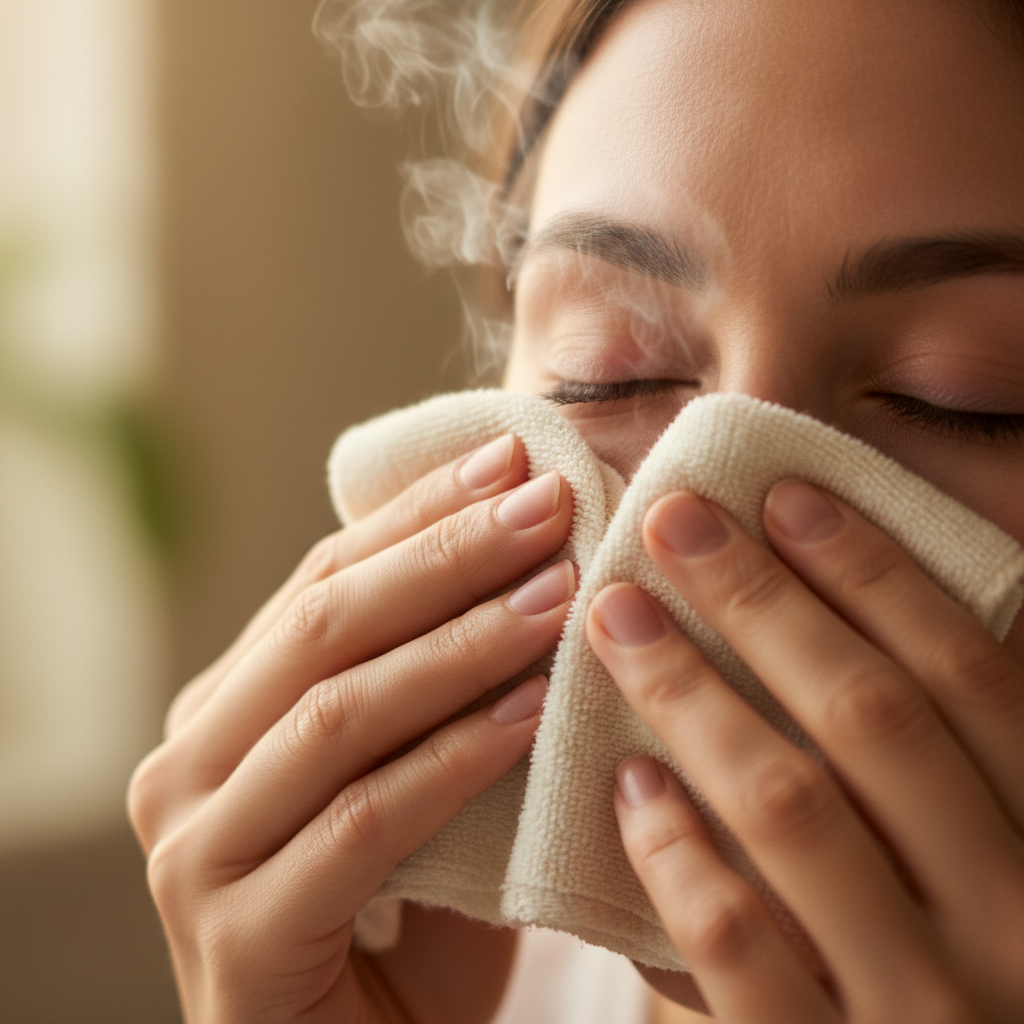
To quickly treat a stye, apply a clean, warm compress to the eyelid for 10 - 15 minutes, three to five times daily. This encourages drainage and speeds healing. Keep the area clean and avoid wearing makeup or contact lenses. Do not squeeze or try to pop the stye.
What is a Stye, Exactly?
first we clarify what this annoying eyelid bump actually is. A stye (the medical term is hordeolum) is a small, painful abscess that forms on your eyelid. It is a pimple on your eyelid, caused by a bacterial infection most commonly Staphylococcus bacteria in an oil gland or eyelash follicle source.
There are two main types of styes:
- External Stye: This is the most common type. It forms on the outer edge of your eyelid, right at the base of an eyelash, and looks like a small pimple.
- Internal Stye: This type forms on the inside of your eyelid. An internal stye can be more painful because it presses on your eye as it grows.
Stye Symptoms:
While the red bump is the most obvious sign, other common stye symptoms include:
- A painful, red lump along the edge of the eyelid.
- Swelling of the entire eyelid.
- A small, yellowish spot of pus at the center of the bump.
- A gritty or scratchy feeling, as if something is in your eye.
- Increased tearing or crusting along the eyelid margin.
Stye vs Chalazion: What’s the Difference?
People often confuse a stye with a chalazion, but they aren’t the same. The key difference in the stye vs chalazion debate comes down to pain and infection.
- A stye is a painful, active infection in a gland.
- A chalazion is a blockage of an oil gland that is typically not infected and is usually painless, though it can become red and swollen source.
A stye can sometimes turn into a chalazion once the infection has cleared, but the initial treatment is often very similar.
What’s the quickest home remedy for a stye?
So, the quickest and safest stye treatment you can do right now. The vast majority of styes can be resolved at home without medical intervention. Here are the proven steps for how to treat a stye at home.
Step 1: Apply a Warm Compress (The Gold Standard)
This is, without a doubt, the most effective thing you can do. A warm compress for a stye is recommended by virtually every eye doctor for a simple reason: it works. The gentle heat and moisture help liquefy the hardened oils blocking the gland, encouraging the stye to drain on its own.
How to do it right: 1. Get a clean washcloth. Make sure it’s fresh to avoid introducing more bacteria. 2. Soak it in warm water. The water should be comfortably warm, not scalding hot. You don’t want to burn the delicate skin on your eyelid. 3. Wring it out so it’s damp but not dripping. 4. Gently place it over your closed eye for 10-15 minutes. 5. Repeat 3 to 5 times a day. Consistency is key!
Pro Tip: Some people find that using a warm, steeped green or chamomile tea bag (after it has cooled slightly) can be soothing due to their anti inflammatory properties.
Step 2: Keep the Eyelid Clean
Gently cleaning your eyelid can help wash away bacteria and crusting. You can use a cotton swab or pad dipped in a solution of tear free baby shampoo diluted with warm water. Alternatively, you can purchase pre moistened over the counter eyelid scrubs. Be very gentle and avoid getting soap directly in your eye.
Step 3: Try a Gentle Massage
After applying a warm compress, the blockage may have softened. With clean hands, you can very gently massage the area around the stye to help promote drainage. If you feel any pain, stop immediately. The goal is to encourage natural draining, not force it.
Step 4: Manage the Pain
If your stye is particularly painful, over the counter pain relievers like ibuprofen (Advil, Motrin) or acetaminophen (Tylenol) can help reduce discomfort and inflammation.
The Big “Don’ts”: Critical Mistakes to Avoid
What you don’t do is just as important as what you do. Trying to speed up the process the wrong way can make things much, much worse.
Rule #1: Do NOT Pop, Squeeze, or Puncture the Stye
This is the golden rule. We know it’s tempting, but you must resist the urge to pop a stye. Squeezing it can rupture the abscess under the skin, spreading the bacterial infection deeper into your eyelid tissue. This can lead to a more severe infection called cellulitis, prolong healing, and even cause scarring source. Let it drain naturally.
Rule #2: Ditch the Eye Makeup
Applying makeup like mascara, eyeliner, or concealer can introduce more bacteria and clog the gland further, delaying healing. Wait until the stye is completely gone before using eye makeup again.
Rule #3: Put Your Contact Lenses on Pause
Switch to your glasses until the stye has fully healed. Bacteria from the stye can contaminate your contact lenses and spread to your cornea. Plus, wearing a contact lens can increase irritation.
When to See a Doctor for a Stye
While most styes are harmless, some situations require a professional eye. It’s time to book an appointment with an optometrist or ophthalmologist if you experience any of the following. This is a crucial checklist for when to see a doctor for a stye.
- Your stye doesn’t start to improve after 48 hours to a week of consistent home care.
- The pain or swelling gets significantly worse.
- The redness and swelling spread to your entire eyelid or onto your cheek.
- Your vision is affected in any way.
- Blisters or significant crusting forms on your eyelid.
- You are getting styes frequently (this could signal an underlying condition like blepharitis).
What Can a Doctor Do? Medical Stye Treatment
If home care isn’t enough, your doctor has several options for effective stye treatment:
- Antibiotics: They may prescribe an antibiotic ointment or eye drops to fight the infection. In some cases, oral antibiotics are needed if the infection has spread.
- Lancing and Draining: For a large, persistent stye, a doctor can perform a simple in office procedure to make a tiny incision and drain the pus. Never attempt this yourself.
- Steroid Injection: In some cases, a steroid shot can be administered to reduce severe swelling and inflammation.
How to Prevent Styes from Coming Back
The best way to know how to get rid of a stye is to not get one in the first place. Following good eye hygiene is the best way for how to prevent styes.
- Wash Your Hands: Always wash your hands thoroughly before touching your eyes, putting in contacts, or applying makeup.
- Manage Your Makeup:
- Remove all makeup before you go to sleep. No exceptions!
- Replace mascara and liquid eyeliner every 2-3 months. Bacteria love to grow in those dark, damp tubes.
- Never, ever share eye makeup.
- Care for Your Contacts: Follow your eye doctor’s instructions for cleaning and disinfecting your contact lenses.
- Address Underlying Conditions: If you have blepharitis (chronic eyelid inflammation), managing it with a daily eyelid cleaning routine is essential for preventing future styes.
A common question is, are styes contagious? The stye itself is not contagious like the flu. However, the Staphylococcus bacteria that cause it can be spread from person to person through shared towels, pillowcases, or makeup. It’s best to avoid sharing these items, especially when you have an active stye.
The Takeaway: Be Patient and Be Gentle
Dealing with an eyelid bump like a stye is frustrating, but patience is your best friend. Most styes resolve on their own within one to two weeks with consistent, gentle care.
Remember the key steps: apply a warm compress for a stye several times a day, keep the area clean, and whatever you do, do not try to pop a stye.
If you’re following these steps and things aren’t improving, or if the swelling and pain are getting worse, don’t hesitate. Schedule an appointment with an eye care professional today to get the care you need.
Health Companion
trusted by
6Mpeople
Get clear medical guidance
on symptoms, medications, and lab reports.

download august