
Health Library
Intake Forms: Common Mistakes to Avoid
January 12, 2026
Question on this topic? Get an instant answer from August.
What Exactly is a Client Intake Form?
So, what is an intake form? At its core, a client intake form is a questionnaire you send to new clients before you officially begin working with them. Its primary purpose is to systematically collect all the essential information you need to understand their needs, qualify them as a good fit, and prepare to deliver your services effectively.
Think of it as a structured conversation that happens automatically.
It’s important to distinguish this from a simple contact form on your website. A contact form is like a digital doorbell—it collects a name, email, and a brief message. A new client intake form, on the other hand, is the comprehensive welcome packet. It asks deeper, more specific questions about the client’s goals, challenges, budget, and any other details critical to your service.
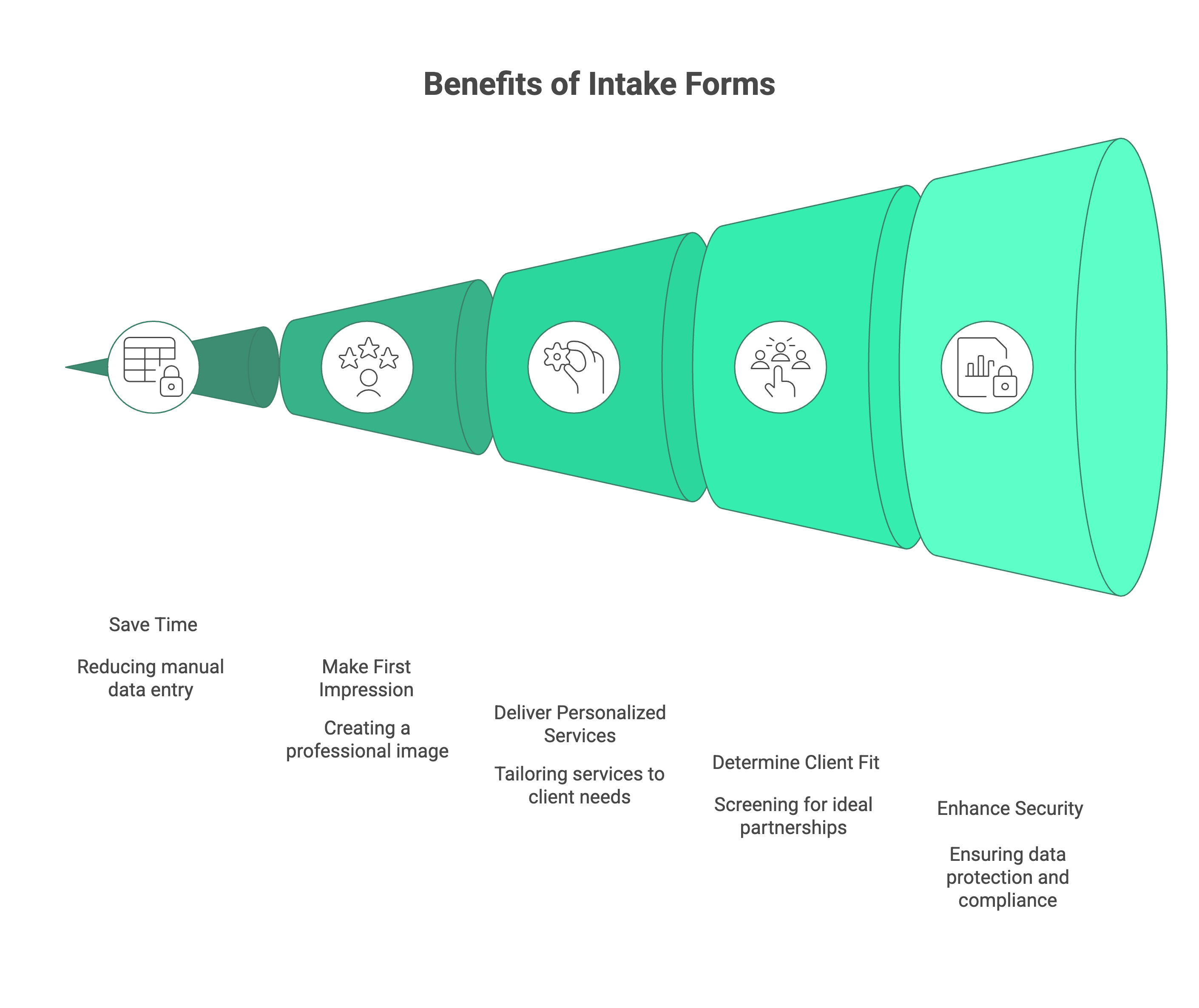
The Top 5 Benefits of Using Intake Forms
Implementing a well designed intake process isn’t just about getting organized; it’s a strategic move that pays dividends across your business.
1. Save Time and Increase Efficiency
The most immediate benefit is the time you get back. Instead of manually typing information from emails or transcribing notes from calls, the data is collected in one organized place. According to one report, data entry is a major time drain, with workers spending up to 20% of their time on it source. An online intake form can automatically populate your CRM, project management tools, or client files, eliminating repetitive tasks and freeing you up for billable work.
2. Make a Great First Impression
A smooth, professional onboarding process signals to your new client that you’re organized, detail-oriented, and value their time. It sets a positive tone for the entire relationship. A clunky, confusing process does the opposite. In a competitive market, that first impression is critical—a study by PwC found that 73% of consumers cite customer experience as a key factor in their purchasing decisions source. A polished new client intake form is your first opportunity to deliver an exceptional experience.
3. Deliver Higher Quality, Personalized Services
You can’t solve a problem you don’t fully understand. By asking targeted questions upfront, you gain deep insight into a client’s pain points, expectations, and goals. This allows you to tailor your services from day one, leading to better results and happier, more loyal clients. A marketing client intake form, for example, can uncover a target audience you wouldn’t have otherwise considered.
4. Determine the Right Client Fit
Not every lead is the right fit for your business—and that’s okay. An intake form acts as a powerful screening tool. By asking about budget, timeline, and expectations, you can quickly identify clients who align with your services and pricing. This helps you avoid scope creep and difficult client relationships, allowing you to focus your energy on ideal partnerships.
5. Enhance Security and Compliance
For many industries, data security isn’t just a best practice; it’s the law. This is especially true in healthcare, therapy, and wellness, where protecting patient information is governed by the Health Insurance Portability and Accountability Act (HIPAA). Using secure online intake form tools ensures that sensitive data is encrypted and stored properly. This is crucial when creating a patient intake form or counseling client intake form. Look for platforms that offer HIPAA compliant forms to protect both your clients and your business.
What to Include: The Essential Elements of an Effective Intake Form
While the exact questions will vary by industry, a great intake form generally includes these five core sections. Aim for a simple client intake form that is easy to fill out but still gathers all the necessary data.
Client Information
This is the foundational data you need for communication and record-keeping. * Full Name * Business Name (if applicable) * Email Address * Phone Number * Mailing Address
Service Specific Questions
This is where you dig into the “why.” What brought this client to you? * What services are you interested in? * What are the biggest challenges you’re currently facing? * What are your primary goals? What does success look like for you? * Have you used a similar service in the past? What was your experience?
Industry Specific Fields
Customize your form to gather the unique details your profession requires. * Medical/Wellness: For a patient intake form, include fields for medical history, allergies, current medications, and insurance information. * Legal: A legal client intake form should ask about the type of legal matter, key dates, opposing parties, and a brief summary of the situation. * Marketing: A marketing client intake form needs to know about the target audience, key competitors, current marketing efforts, and brand guidelines. * Tax/Accounting: A tax client intake form must collect Social Security numbers, dependents, income sources, and relevant financial documents. * Salon/Spa: A salon client intake form should ask about skin type, allergies, and any contraindications for treatments like facials or waxing.
Logistical Information
This section helps you manage the practical aspects of the project or service. * What is your estimated budget for this project/service? * What is your ideal start date or timeline? * How did you hear about us? * What is your preferred method of communication?
Open Ended Section
Always include a final “catch all” section. * Is there anything else you’d like to share or any questions you have for us?
Pro Tip: Use conditional logic in your digital forms. This smart feature shows or hides questions based on previous answers, creating a shorter, more personalized experience for your clients.
How to Create a Client Intake Form (3 Easy Methods)
Now that you know what to include, let’s explore how to create an intake form. There are several great options depending on your technical skills, budget, and specific needs.
Method 1: Using Downloadable Templates (Word, PDF, Google Docs)
This is the most straightforward approach. You can create a document in your word processor of choice, save it as a PDF, and email it to clients.
- Pros: It’s often free and easy to set up. You can find many pre made templates online to get started quickly.
- Cons: This is a highly manual process. Clients have to download, print, scan, or use a separate tool to fill out the form. You then have to manually enter that data into your systems. These fillable intake forms are also less secure and are generally not suitable for collecting sensitive information like health data.
Method 2: Using Online Form Builders
This is the most popular and powerful method for modern businesses. Tools like Jotform, IntakeQ, FormDr, and Typeform are specifically designed for this purpose.
- Pros: The advantages are huge. They offer drag and drop editors, professional templates, and robust features like esignatures, payment collection, and integrations with other software (like your CRM or calendar). They provide a seamless, mobile friendly experience for clients and automate your workflow. Critically, many offer HIPAA compliant forms for secure data collection.
- Cons: Most of these tools operate on a subscription model, though many offer free plans with certain limitations.
Method 3: Using Design Software (Canva)
If your brand’s visual identity is a top priority and you primarily need a printable form, design software like Canva can be a good option.
- Pros: You get complete creative control to design a beautiful, on brand form. It’s great for in person businesses like spas or clinics that may still use paper forms.
- Cons: Like Word/PDF templates, this method lacks automation. You’re still stuck with manual data entry and the challenges of storing and managing physical paperwork. They are not ideal for creating dynamic fillable intake forms.
Free Intake Form Templates for Any Industry
To help you get started, here’s a breakdown of what to include in forms for various industries. Use these as a foundation for building your own perfect client intake form.
Simple Client Intake Form (General Purpose)
- Contact Information
- Service of Interest
- Key Goals
- Budget & Timeline
- How did you hear about us?
Patient Intake Form (Medical, Dental, Chiropractic)
- Patient Demographics (Name, DOB, Address)
- Insurance Information
- Emergency Contact
- Medical History (allergies, medications, past surgeries, conditions)
- Reason for Visit / Chief Complaint
- Consent & Signature Forms
Counseling Client Intake Form
- Client Demographics
- Presenting Concerns & Symptoms
- Personal & Family Mental Health History
- Previous Therapy Experience
- Goals for Counseling
- Informed Consent & Privacy Policy Agreement
Legal Client Intake Form
- Client Information (Individual or Business)
- Type of Legal Matter (e.g., family law, corporate, real estate)
- Brief Description of the Case/Issue
- Names of Opposing Parties
- Important Dates & Deadlines
- Conflict of Interest Check
Marketing Client Intake Form
- Company Information (Name, Website, Industry)
- Project Goals (e.g., increase leads, build brand awareness)
- Target Audience Demographics
- Key Competitors
- Budget for Marketing/Advertising
- Brand Assets & Guidelines
Salon & Spa Intake Form (Facial, Massage, etc.)
- Client Contact Information
- Skin Type / Area of Concern
- Allergies or Sensitivities
- Current Skincare/Bodycare Routine
- Medical Conditions (e.g., pregnancy, high blood pressure)
- Liability Waiver & Consent
Tax Client Intake Form
- Personal Information (Name, SSN, Dependents)
- Filing Status
- Income Sources (W-2s, 1099s, investments)
- Potential Deductions & Credits
- Bank Account Information for Direct Deposit
- Consent to Disclose Tax Information
Ready to build your own? There are tons of free intake form templates available online that you can customize for your specific needs.
Your First Step to a Better Business
A well crafted intake form is more than just a piece of administrative paperwork. It’s a strategic tool that saves you time, enhances your professionalism, improves client outcomes, and ultimately helps you build a more efficient and profitable business.
By replacing chaotic email threads and phone calls with a single, structured step, you set the stage for a successful client relationship from the moment they say “yes.”
Ready to streamline your onboarding? Explore our library of customizable intake form templates and create your first form for free today!
Health Companion
trusted by
6Mpeople
Get clear medical guidance
on symptoms, medications, and lab reports.

Download august