
Health Library
Losartan (Cozaar): Uses, Side Effects, and Warnings
January 7, 2026
Question on this topic? Get an instant answer from August.
What Is Losartan and How Does It Work?
Losartan belongs to a class of drugs called Angiotensin II Receptor Blockers, often abbreviated as ARBs. To understand how it works, we need to talk about a substance in your body called angiotensin II.
Think of angiotensin II as a powerful “squeezer.” When it’s released, it causes your blood vessels to tighten and narrow. This tightening action increases the pressure inside your vessels—much like squeezing a garden hose makes the water spray out with more force. This is high blood pressure, or hypertension. Angiotensin II also triggers the release of a hormone that causes your body to hold onto salt and water, which further increases blood pressure source.
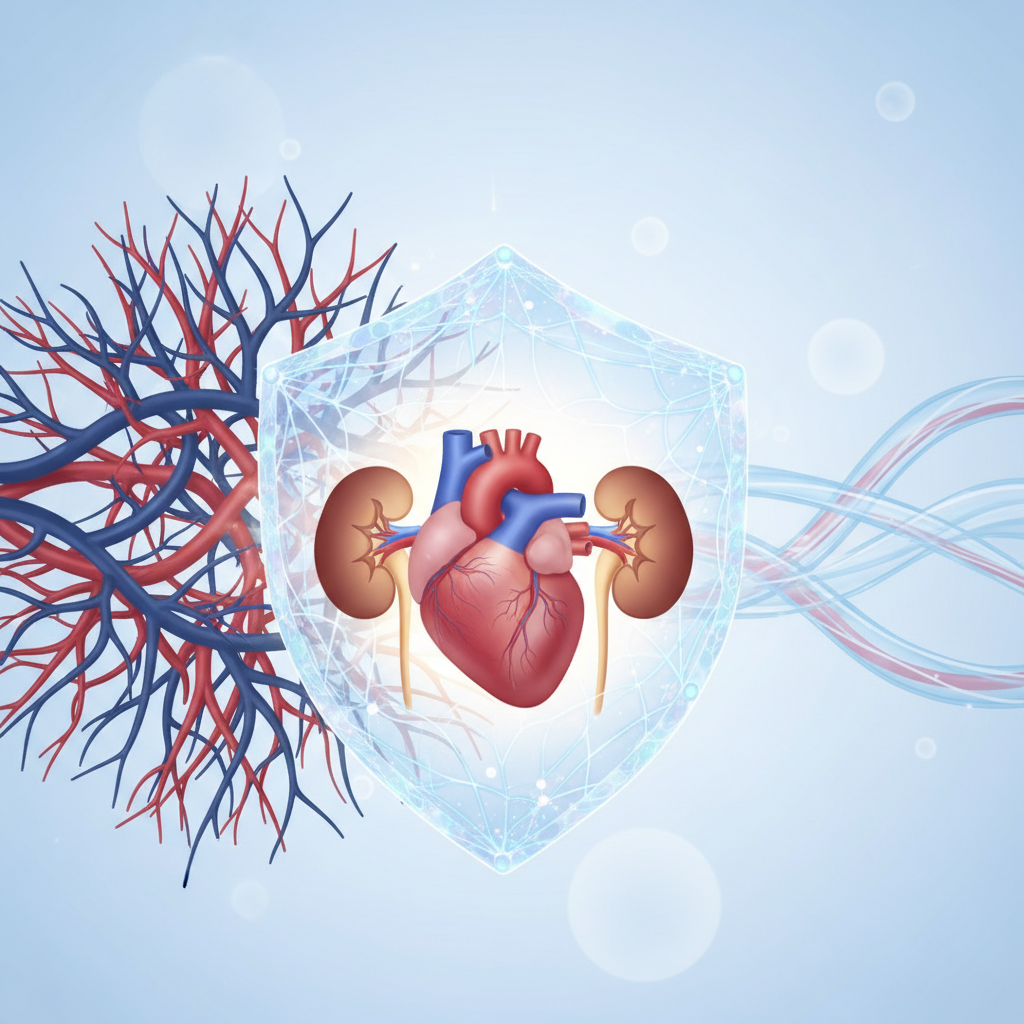
This is where losartan steps in. It acts as a shield, selectively blocking the receptors where angiotensin II would normally attach. By preventing this “squeezing” action, it allows your blood vessels to relax and widen.
This simple but powerful mechanism leads to several key benefits: * Lowered Blood Pressure: With wider, more relaxed vessels, your blood can flow more freely, reducing the pressure against your artery walls. * Reduced Heart Strain: Your heart doesn’t have to pump as hard to circulate blood throughout your body, which reduces its workload.
This makes it a cornerstone of treatment for losartan for high blood pressure and other related conditions.
What Is Losartan Used For? The Primary Uses
While primarily known as a blood pressure medication, losartan has several FDA-approved uses that focus on protecting your cardiovascular system and kidneys.
1. High Blood Pressure (Hypertension)
This is the most common reason people are prescribed losartan. Persistently high blood pressure can damage your arteries, heart, brain, and kidneys over time, significantly increasing your risk for serious health problems. By effectively lowering blood pressure, losartan helps reduce the long-term risk of heart attacks and strokes source. It is often considered a first-line treatment, especially for patients who may not tolerate other classes of blood pressure medications well.
2. Diabetic Kidney Disease (Diabetic Nephropathy)
For patients with type 2 diabetes and a history of high blood pressure, there’s a significant risk of developing kidney damage, a condition known as diabetic nephropathy. The high blood sugar and high blood pressure create a “perfect storm” that can harm the delicate filtering units in the kidneys.
Losartan is a key diabetic nephropathy treatment because it provides a protective effect. By lowering pressure within the kidneys and reducing protein leakage into the urine (a sign of damage), it can significantly slow the progression of kidney disease source.
3. Stroke Risk Reduction
Losartan has a specific indication for reducing the risk of stroke in patients who have both high blood pressure and a condition called left ventricular hypertrophy (LVH). LVH is a thickening of the heart’s main pumping chamber, often caused by the heart working too hard against high blood pressure for a long time. By lowering blood pressure and reducing the heart’s workload, losartan helps lower the chance of a stroke in this high-risk group.
Off Label Use: Heart Failure
While not an official FDA-approved indication, doctors sometimes prescribe losartan “off-label” to treat heart failure. In this condition, the heart can’t pump blood effectively. By relaxing blood vessels, ARBs like losartan make it easier for the heart to do its job.
Proper Use: Dosage and Administration
Taking your medication correctly is just as important as the medication itself. Here’s what you need to know about losartan dosage and how to take it.
- Typical Dosage: For most adults with high blood pressure, the typical starting dose is 50 mg once a day. Your doctor may adjust this dose based on your response, with a maximum daily dose usually being 100 mg, taken either once or split into two doses.
- Special Considerations: In some cases, such as for patients who are also taking diuretics (“water pills”) or have liver problems, a lower starting dose of 25 mg per day may be recommended.
- How to Take It: Losartan is a simple, once-daily pill. You can take it with or without food, but it’s important to take it at the same time each day to maintain a steady level of the medication in your body.
- What If I Miss a Dose? If you forget a dose, take it as soon as you remember. However, if it’s almost time for your next scheduled dose, just skip the missed one and return to your regular schedule. Never double up on doses to make up for a missed one.
- Storage: Keep your medication in its original container at room temperature, away from heat, moisture, and direct light. A bathroom medicine cabinet is often not the best place for it.
A common question is, “how long does it take for losartan to work?” While you may see some effect sooner, it can take 3 to 6 weeks to experience the full blood-pressure-lowering benefit of the medication source. This is why regular monitoring and patience are key.
Understanding the Side Effects of Losartan
Every medication has the potential for side effects, and it’s important to know what to look out for. The good news is that many people take losartan with few to no issues. When losartan side effects do occur, they are often mild and may go away as your body adjusts.
How does losartan lower blood pressure?
Losartan lowers blood pressure by blocking angiotensin II type 1 (AT1) receptors, preventing angiotensin II from narrowing blood vessels and triggering aldosterone release. This causes vasodilation, reduces sodium/water retention, lowers blood volume, and decreases overall blood pressure.
Common, Mild Side Effects
These side effects are more frequent but usually don’t require you to stop the medication. However, you should mention them to your doctor if they are persistent or bothersome. * Dizziness or lightheadedness, especially when you first start * Stuffy or runny nose * Back pain * Fatigue or feeling tired * Diarrhea
Serious Side Effects: Seek Medical Attention
While rare, some losartan side effects can be serious and require immediate medical attention. Call your doctor right away or seek emergency help if you experience any of the following:
- Signs of an allergic reaction: Hives, difficulty breathing, swelling of your face, lips, tongue, or throat.
- Symptoms of high potassium (hyperkalemia): Muscle weakness, a slow or irregular heartbeat, nausea, or a tingling sensation.
- Signs of kidney problems: Little to no urination, rapid weight gain, or swelling in your hands, feet, or ankles.
- Extreme lightheadedness: A feeling like you might pass out.
This is not a complete list of side effects. Always talk to your pharmacist or doctor for a full overview of potential risks.
Crucial Losartan Warnings and Precautions
To use losartan safely, it’s essential to be aware of certain warnings and precautions. This is information you must discuss with your healthcare provider before starting treatment.
Black Box Warning: Do Not Use During Pregnancy
This is the most critical warning associated with this medication. Losartan has an FDA Black Box Warning—the most serious type of warning—regarding its use in pregnancy.
Taking losartan during the second or third trimester of pregnancy can cause serious injury or even death to the developing fetus. If you are pregnant or plan to become pregnant, you must not take this medication. If you become pregnant while taking losartan and pregnancy is confirmed, stop taking it immediately and contact your doctor to discuss safer alternatives for managing your blood pressure.
High Potassium Levels (Hyperkalemia)
One of the key losartan warnings relates to potassium. Because of how it works, losartan and potassium regulation can be affected, potentially leading to high levels of potassium in your blood (hyperkalemia). While mild elevations may cause no symptoms, very high levels can be dangerous and affect your heart rhythm.
To minimize this risk, your doctor will likely advise you to: * Avoid potassium supplements. * Avoid salt substitutes, as many use potassium chloride instead of sodium chloride. * Have your potassium levels checked with regular blood tests.
Other Conditions and Precautions
Be sure to tell your doctor if you have a history of: * Kidney Disease: Especially a condition called renal artery stenosis. * Liver Disease: Your dose may need to be adjusted. * Dehydration: Being dehydrated can increase the risk of low blood pressure and kidney issues while on losartan. * Angioedema: A history of swelling of the face, lips, or tongue, whether from a previous medication or another cause.
Due to the risk of dizziness, be careful when getting up from a sitting or lying position. Avoid driving or operating heavy machinery until you know how losartan affects you.
Potential Losartan Interactions to Be Aware Of
Losartan interactions with other drugs can change how your medications work or increase your risk for serious side effects. It is vital to give your doctor and pharmacist a complete list of everything you take, including prescription drugs, over-the-counter medicines, vitamins, and herbal supplements.
Some of the most significant interactions include:
- Aliskiren: Another type of blood pressure medication. Combining it with losartan is contraindicated in patients with diabetes.
- ACE Inhibitors (e.g., lisinopril, enalapril): Taking these with losartan can increase your risk of low blood pressure, high potassium, and kidney problems.
- NSAIDs (Nonsteroidal Anti-Inflammatory Drugs): Common pain relievers like ibuprofen (Advil, Motrin) and naproxen (Aleve) can reduce the blood-pressure-lowering effect of losartan and increase the risk of kidney damage, especially in older adults or those with existing kidney issues source.
- Diuretics (“Water Pills”): Can increase the risk of dizziness and may affect potassium levels.
- Lithium: Losartan can increase the levels of lithium (a medication for bipolar disorder) in your blood, raising the risk of toxicity.
Taking Control of Your Health
Losartan is a highly effective medication that has become a trusted tool for millions in the fight against high blood pressure, diabetic kidney disease, and stroke risk. It works by relaxing blood vessels, making it easier for your heart to pump and protecting your organs from the long-term damage of hypertension.
Remember, medication is just one part of the equation. Lifestyle changes—such as a heart-healthy diet, regular exercise, limiting alcohol, and not smoking—are critical partners in managing your condition.
The most important takeaway is to maintain an open line of communication with your healthcare team. Take losartan exactly as prescribed, attend all your follow-up appointments for monitoring, and never hesitate to speak with your doctor or pharmacist. If you have questions about what is losartan, its side effects like those related to losartan and potassium, or any other concerns, they are your best resource for personalized, reliable advice.
Health Companion
trusted by
6Mpeople
Get clear medical guidance
on symptoms, medications, and lab reports.

download august