
If your recent blood test showed low lymphocytes, you might be feeling confused or a bit worried. Lymphocytes are a type of white blood cell that help your body fight infections and stay healthy. When their numbers drop below normal, doctors call this lymphocytopenia, and it can happen for many different reasons, some simple and temporary, others requiring more attention.
What Are Lymphocytes and Why Do They Matter?
Lymphocytes are special immune cells that protect you from germs, viruses, and other invaders. They work like security guards in your bloodstream, recognizing threats and organizing your body's defense. There are three main types: B cells that make antibodies, T cells that destroy infected cells, and natural killer cells that attack abnormal cells.
Your body makes these cells in your bone marrow and stores them in your lymph nodes, spleen, and thymus gland. A healthy adult typically has between 1,000 and 4,800 lymphocytes per microliter of blood. When you dip below 1,000, doctors take notice because your immune system might not work as well as it should.
What Does It Feel Like to Have Low Lymphocytes?
Here's something that might surprise you: most people with low lymphocytes feel completely normal. The condition itself usually doesn't cause symptoms you can feel or notice in your daily life. You might go about your routine without any idea that your lymphocyte count has dropped.
That said, low lymphocytes can make you more vulnerable to infections. If your immune system is weakened, you might notice certain patterns developing over time. These signs don't always mean low lymphocytes, but they can be clues that something needs attention.
When infections do occur more frequently or severely than usual, you might experience some of these patterns:
- Recurring colds, respiratory infections, or sinus problems that seem to happen more often than they used to
- Skin infections or rashes that take longer to heal or keep coming back
- Frequent fevers without an obvious cause
- Mouth sores or oral infections that appear repeatedly
- Unusual fatigue that doesn't improve with rest
- Persistent coughs or respiratory symptoms that linger
These symptoms reflect what happens when your immune defenses are stretched thin, not the low lymphocytes themselves. Your body is simply working harder to fight off infections with fewer resources available.
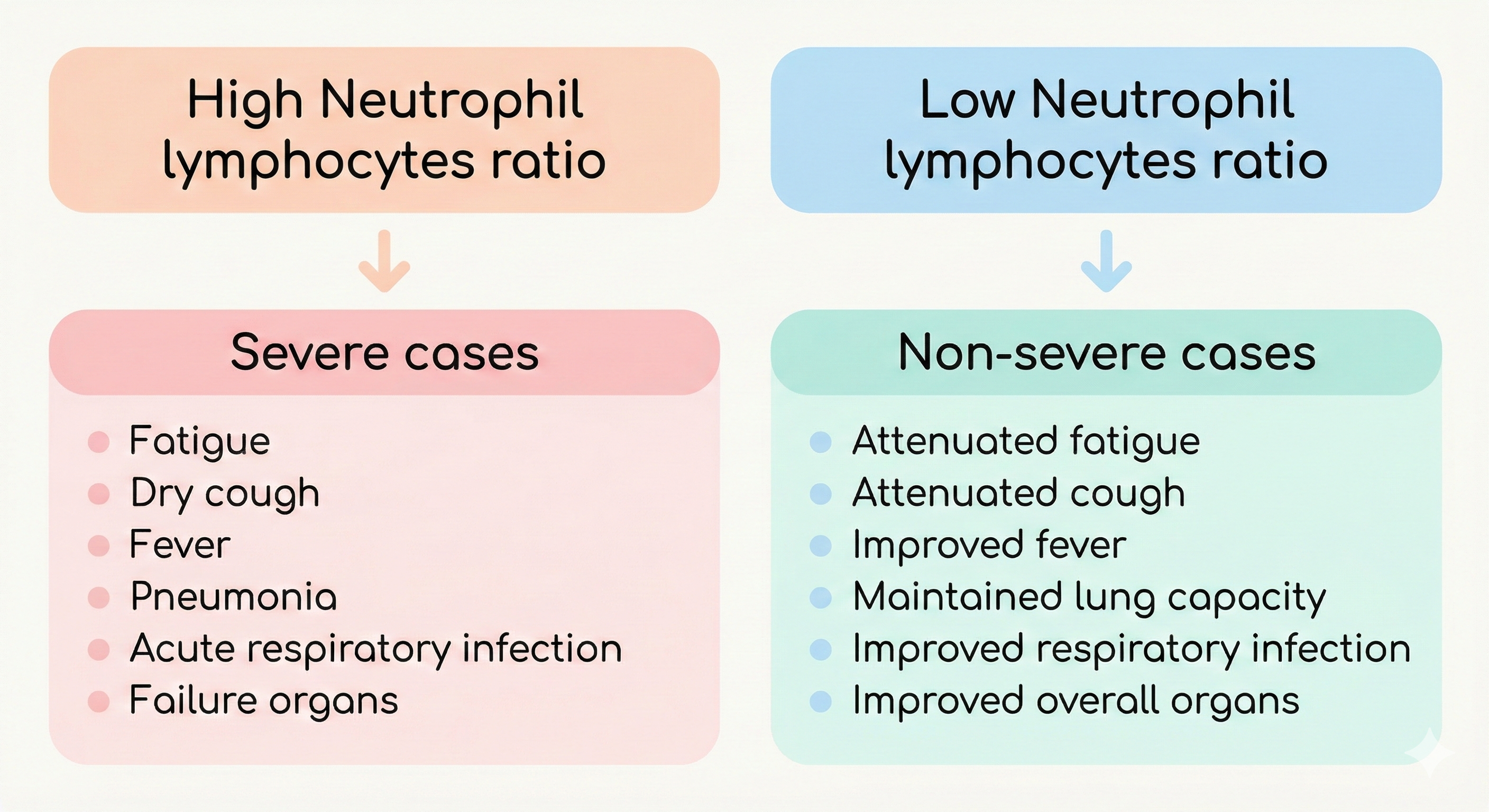
What Causes Lymphocyte Counts to Drop?
Low lymphocytes can develop from many different situations, ranging from temporary illnesses to chronic conditions. Understanding the cause helps your doctor create the right plan for you. Let's walk through the possibilities, starting with the more common reasons and then moving to rarer ones.
Common and Temporary Causes
Sometimes your lymphocyte count drops temporarily and bounces back on its own. These situations are often the easiest to address and the least worrying in the long run.
Viral infections are actually one of the most frequent culprits behind low lymphocytes. When a virus like the flu, common cold, or respiratory infection hits your body, your lymphocytes rush to the infected areas to fight back. This can make their numbers in your bloodstream temporarily appear lower. Once you recover, your counts typically return to normal within a few weeks.
Stress on your body, whether physical or emotional, can also affect lymphocyte production. Severe stress triggers the release of cortisol, a hormone that can suppress your immune system. This includes major surgery, serious injuries, intense physical exertion, or prolonged emotional strain. Your body prioritizes immediate survival over maintaining perfect immune cell counts during these times.
Nutritional deficiencies play a bigger role than many people realize. Your bone marrow needs specific nutrients to make lymphocytes effectively. Zinc, vitamin B6, vitamin B12, and folate are especially important. If your diet lacks these nutrients or your body has trouble absorbing them, lymphocyte production can slow down.
Certain medications can lower lymphocyte counts as a side effect. Corticosteroids like prednisone are well known for this because they reduce inflammation by suppressing immune activity. Chemotherapy drugs deliberately target rapidly dividing cells, which includes lymphocytes. Immunosuppressants used after organ transplants or for autoimmune diseases also intentionally lower lymphocyte numbers to prevent the immune system from attacking healthy tissue.
Ongoing Medical Conditions
Some health conditions can cause lymphocyte counts to stay low over longer periods. These situations usually require ongoing medical care and monitoring to keep your immune system as strong as possible.
Autoimmune disorders sometimes cause your immune system to mistakenly destroy lymphocytes. Conditions like lupus and rheumatoid arthritis can create antibodies that attack your own immune cells. Your body essentially works against itself, breaking down lymphocytes faster than it can replace them.
Blood cancers and bone marrow disorders directly affect where lymphocytes are made. Leukemia, lymphoma, and myelodysplastic syndromes can crowd out healthy cells in your bone marrow or cause lymphocytes to develop abnormally. These conditions need specialized treatment from a hematologist or oncologist.
Chronic infections, particularly HIV, can gradually deplete lymphocytes over time. HIV specifically targets CD4 T cells, a crucial type of lymphocyte. Without treatment, this steady destruction weakens the immune system progressively. Modern antiviral medications can help preserve lymphocyte counts and immune function.
Kidney disease and liver disease can both interfere with lymphocyte production and survival. Your kidneys help clear waste products that might otherwise harm immune cells. Your liver produces proteins essential for immune function. When these organs struggle, lymphocyte counts may drop as a secondary effect.
Rare and Inherited Conditions
Less commonly, some people are born with conditions that affect lymphocyte production from birth or early childhood. These inherited immune deficiencies are much rarer than the causes we've discussed so far, but they're important to recognize.
Severe combined immunodeficiency, often called SCID, is one of the most serious inherited conditions. Babies born with SCID have extremely low or absent lymphocytes from birth. This creates life threatening vulnerability to infections. Doctors usually catch this through newborn screening programs in many countries. Treatment typically involves bone marrow transplantation or gene therapy.
DiGeorge syndrome happens when a small piece of chromosome 22 is missing. This affects the thymus gland, where T cells mature. Children with DiGeorge syndrome may have low T lymphocytes, along with heart defects and other developmental issues. The severity varies widely from person to person.
Wiskott Aldrich syndrome is an inherited condition that affects boys, causing low lymphocyte numbers along with abnormal platelets and eczema. The lymphocytes that are present don't work properly, making infections more likely. Bone marrow transplantation can potentially cure this condition.
Aplastic anemia is a rare condition where your bone marrow stops making enough blood cells of all types, including lymphocytes. This can be inherited or acquired later in life from certain infections, medications, or toxin exposures. It requires careful monitoring and often aggressive treatment to help the bone marrow recover.
Understanding which category your low lymphocytes fall into helps tremendously with next steps. Your doctor will consider your symptoms, medical history, and other blood test results to narrow down the most likely cause.
How Do Doctors Find Out Why Your Lymphocytes Are Low?
common blood test measures different types of blood cells, including lymphocytes. If your lymphocytes come back low, your doctor will want to dig deeper.
First, your doctor will talk with you about your symptoms and medical history. They'll ask about recent illnesses, medications you take, your diet, and any family history of immune problems. This conversation often provides important clues about what might be happening.
A blood test called a lymphocyte subset panel can show which specific types of lymphocytes are low. Remember those three types we mentioned earlier? This test counts B cells, T cells, and natural killer cells separately. The pattern of which cells are affected helps narrow down potential causes.
Your doctor might order additional blood work to check for infections, nutritional deficiencies, or autoimmune markers. Tests for HIV, viral hepatitis, vitamin B12, folate, and autoimmune antibodies can all provide valuable information. Each piece of the puzzle helps create a clearer picture.
If initial testing doesn't reveal a clear cause, your doctor might recommend imaging studies or a bone marrow biopsy. A bone marrow biopsy involves taking a small sample from inside your hip bone to examine how well your marrow is producing blood cells. This sounds intimidating, but it's done with numbing medication and provides crucial information when needed.
What Happens If Low Lymphocytes Go Untreated?
Most people with mildly low lymphocytes who feel well don't face immediate dangers. Your body often compensates remarkably well, and other parts of your immune system can pick up some of the slack. However, understanding potential complications helps you know what to watch for.
The main concern with persistently low lymphocytes is increased infection risk. Your body's ability to fight off bacteria, viruses, and fungi depends heavily on having enough lymphocytes. When counts drop significantly or stay low for extended periods, infections can become more frequent, more severe, or harder to clear.
Opportunistic infections become a particular worry when lymphocyte counts are very low. These are infections caused by organisms that usually don't make healthy people sick. Pneumocystis pneumonia, certain fungal infections, and unusual viral infections can take advantage of a weakened immune system.
Recovery from common illnesses may take longer than it used to. A cold that typically lasts a week might linger for two or three weeks. A minor cut that should heal in days might take weeks. Your body simply has fewer immune resources to deploy.
Some types of cancer may have a higher chance of developing with chronic immune suppression. Certain lymphomas and skin cancers appear more often in people with long term low lymphocyte counts. Your immune system normally catches and destroys abnormal cells before they become cancerous, so fewer lymphocytes means less surveillance.
Having said that, many people with mildly low lymphocytes live normal, healthy lives without experiencing any of these complications. The risk depends on how low your counts are, what's causing them, and your overall health. Regular monitoring helps catch any problems early.
How Can Low Lymphocytes Be Treated?
Treatment for low lymphocytes always focuses on addressing the underlying cause rather than just the number itself. There's no single medication that simply raises lymphocyte counts across the board. Instead, your doctor will work with you to tackle whatever is causing the problem.
If an infection triggered your low lymphocytes, treating that infection often allows counts to recover naturally. Antiviral medications for viral infections, antibiotics for bacterial infections, or antifungal medications for fungal infections all help your body fight back. As the infection clears, your bone marrow can catch up on lymphocyte production.
For medication related causes, your doctor might adjust your prescriptions if possible. Sometimes switching to a different medication or lowering a dose can help lymphocyte counts improve. However, this isn't always an option, especially if the medication is crucial for treating another serious condition like cancer or preventing organ rejection.
Nutritional deficiencies respond well to supplementation and dietary changes. Vitamin B12 injections or oral supplements can correct deficiencies within weeks to months. Folate supplementation works similarly. Ensuring adequate zinc and protein intake supports bone marrow function. Your doctor might refer you to a nutritionist who can help design an eating plan that supports immune health.
Autoimmune conditions often require immunosuppressive medications, which might seem counterintuitive when lymphocytes are already low. However, stopping the immune attack on your own lymphocytes can actually help counts stabilize. This delicate balance requires close monitoring by a rheumatologist or immunologist.
For blood cancers or bone marrow disorders, treatment becomes more intensive. Chemotherapy, targeted therapy drugs, radiation therapy, or bone marrow transplantation might be necessary. These treatments are guided by oncologists and hematologists who specialize in these complex conditions.
Inherited immune deficiencies sometimes benefit from immunoglobulin replacement therapy. This treatment involves regular infusions of antibodies collected from healthy donors. While it doesn't increase your lymphocyte count, it provides some of the immune protection that your lymphocytes would normally offer.
Bone marrow transplantation can potentially cure certain conditions that cause persistently low lymphocytes. This major procedure replaces your faulty bone marrow with healthy donor marrow that can produce normal lymphocytes. It carries significant risks and requires extensive preparation and recovery time.
Can You Do Anything at Home to Support Your Immune System?

While you can't directly increase your lymphocyte count through lifestyle changes alone, you can support your overall immune health and reduce infection risk. Think of these steps as creating the best possible environment for your immune system to function.
Good nutrition forms the foundation of immune health. Eating a balanced diet rich in fruits, vegetables, whole grains, and lean proteins gives your body the building blocks it needs. Foods high in vitamins A, C, D, and E, along with zinc and selenium, particularly support immune function. Colorful vegetables, citrus fruits, nuts, seeds, and fish are all excellent choices.
Sleep deserves more attention than it usually gets. Your body produces and distributes immune cells during sleep. Chronic sleep deprivation can weaken immune responses and potentially affect lymphocyte production. Aim for seven to nine hours of quality sleep each night.
Regular, moderate exercise can benefit your immune system. Physical activity helps circulate immune cells throughout your body and may stimulate their production. However, excessive intense exercise can temporarily suppress immune function, so balance matters. A brisk 30 minute walk most days works wonderfully for most people.
Stress management plays a bigger role than many realize. Chronic stress elevates cortisol levels, which can suppress lymphocyte production and function. Finding healthy ways to manage stress through meditation, deep breathing, yoga, or activities you enjoy can help protect your immune health.
Infection prevention becomes especially important when lymphocytes are low. Washing your hands frequently and thoroughly prevents many infections. Avoiding close contact with people who are sick, keeping your environment clean, and staying up to date with recommended vaccinations all help reduce your exposure to germs.
Avoiding smoking and limiting alcohol consumption supports immune function. Smoking damages immune cells and impairs their ability to fight infections. Excessive alcohol can suppress bone marrow function and reduce lymphocyte production. Both habits are worth addressing for overall health.
When Should You Call Your Doctor?
Knowing when to reach out for medical advice helps you stay safe while avoiding unnecessary worry. If you've been diagnosed with low lymphocytes, certain situations warrant prompt attention.
Contact your doctor if you develop a fever over 100.4°F (38°C). Fever suggests your body is fighting an infection, and with low lymphocytes, infections can escalate quickly. Early treatment often prevents complications.
Persistent infections that don't improve with standard treatment need evaluation. If you've been taking antibiotics for several days without improvement, or if symptoms worsen despite treatment, let your doctor know. This might indicate that your immune system needs additional support.
New or unusual symptoms should prompt a conversation with your healthcare provider. Unexplained weight loss, night sweats, swollen lymph nodes, or persistent fatigue could signal that something needs investigation. These symptoms don't always mean something serious, but they deserve attention.
If you feel increasingly unwell or notice that you're catching every cold or infection that goes around, mention this pattern to your doctor. Tracking these occurrences helps your doctor assess whether your low lymphocytes are affecting your daily life.
What Can You Expect Moving Forward?
Living with low lymphocytes looks different for everyone depending on the underlying cause and severity. Many people with mildly low counts live normally without restrictions. They might just need periodic blood tests to monitor their levels.
If your low lymphocytes stem from a temporary cause like a viral infection or nutritional deficiency, you can expect your counts to improve once the underlying issue resolves. This might take weeks to months, but the outlook is generally excellent. Your doctor will likely recheck your blood work to confirm that counts have normalized.
For people with chronic conditions causing low lymphocytes, the focus shifts to management rather than cure. Regular monitoring helps catch any trends early. Your doctor might check your blood work every few months or more frequently if needed. Learning to recognize signs of infection and seeking prompt treatment becomes part of your routine.
Some people with significantly low lymphocytes take preventive antibiotics or antiviral medications. These medications help reduce infection risk when counts are very low. Your doctor will discuss whether this approach makes sense for your situation.
Most importantly, remember that numbers on a lab report don't define your entire health picture. Your body is remarkably resilient, and modern medicine offers many ways to support your immune system. Working closely with your healthcare team, staying attentive to your body's signals, and taking good care of yourself all contribute to the best possible outcome.
Key Takeaways
Low lymphocytes, also called lymphocytopenia or lymphopenia, means your blood has fewer lymphocytes than expected. Lymphocytes are a type of white blood cell that helps your immune system fight infections and other diseases. A low lymphocyte count may be temporary or may indicate an underlying health condition.
Common causes of low lymphocytes include recent infections, certain medications, nutritional deficiencies, autoimmune conditions, and medical treatments such as chemotherapy or radiation therapy. In some cases, a low lymphocyte count may occur without an obvious cause or may resolve on its own after an illness.
Many people with mildly low lymphocytes have no symptoms. When symptoms occur, they are often related to infections because fewer lymphocytes can make it harder for the immune system to respond effectively. Frequent, severe, or unusual infections may require further evaluation.
A complete blood count with differential can identify a low lymphocyte count. Your healthcare professional may repeat the test or order additional testing depending on how low the count is, whether it persists, and your other symptoms and medical history.
In summary, a low lymphocyte count does not always indicate a serious problem, especially when it is temporary or only mildly reduced. Persistent or significantly low lymphocyte levels should be evaluated to determine the underlying cause and whether treatment is needed.
Frequently Asked Questions
What does a low lymphocyte count mean?
What does a low lymphocyte count mean?
A low lymphocyte count means you have fewer lymphocytes, a type of white blood cell that helps protect your body from infections and disease, than expected. The significance depends on how low the count is, whether it persists, and your overall health.
What causes low lymphocytes?
What causes low lymphocytes?
Low lymphocytes can be caused by recent infections, certain medications, nutritional deficiencies, autoimmune conditions, cancer treatments, and other health conditions. Sometimes the count temporarily decreases and returns to normal without specific treatment.
Can an infection cause low lymphocytes?
Can an infection cause low lymphocytes?
Yes. Some infections can temporarily lower the number of lymphocytes in the blood. Viral infections are a common example, and lymphocyte levels may return to normal as the infection resolves.
Are low lymphocytes a sign of a weak immune system?
Are low lymphocytes a sign of a weak immune system?
A low lymphocyte count can indicate reduced immune function, but it does not always mean that your immune system is significantly weakened. The risk of infection depends on the severity and cause of the low count, as well as other aspects of your immune system.
How are low lymphocytes treated?
How are low lymphocytes treated?
Treatment depends on the underlying cause. If a medication, infection, nutritional deficiency, or another medical condition is responsible, treating or managing that cause may help the lymphocyte count return to normal. Mild temporary reductions may only require monitoring.
When should I worry about a low lymphocyte count?
When should I worry about a low lymphocyte count?
A healthcare professional should evaluate a lymphocyte count that is significantly low, persists over time, or occurs alongside frequent or unusual infections, unexplained weight loss, swollen lymph nodes, fever, or other concerning symptoms. Your healthcare professional can determine whether additional testing is needed.
