
Health Library
Why Does My Butt Burn When I Poop? A Guide to Causes, Relief, and When to Worry
January 7, 2026
Question on this topic? Get an instant answer from August.
Simple Causes: What You Eat and How You Go
Before we dive into medical conditions, let’s start with the most frequent offenders: your diet and your bathroom habits. The cause of your burning poop might be simpler than you think.
Spicy and Acidic Foods
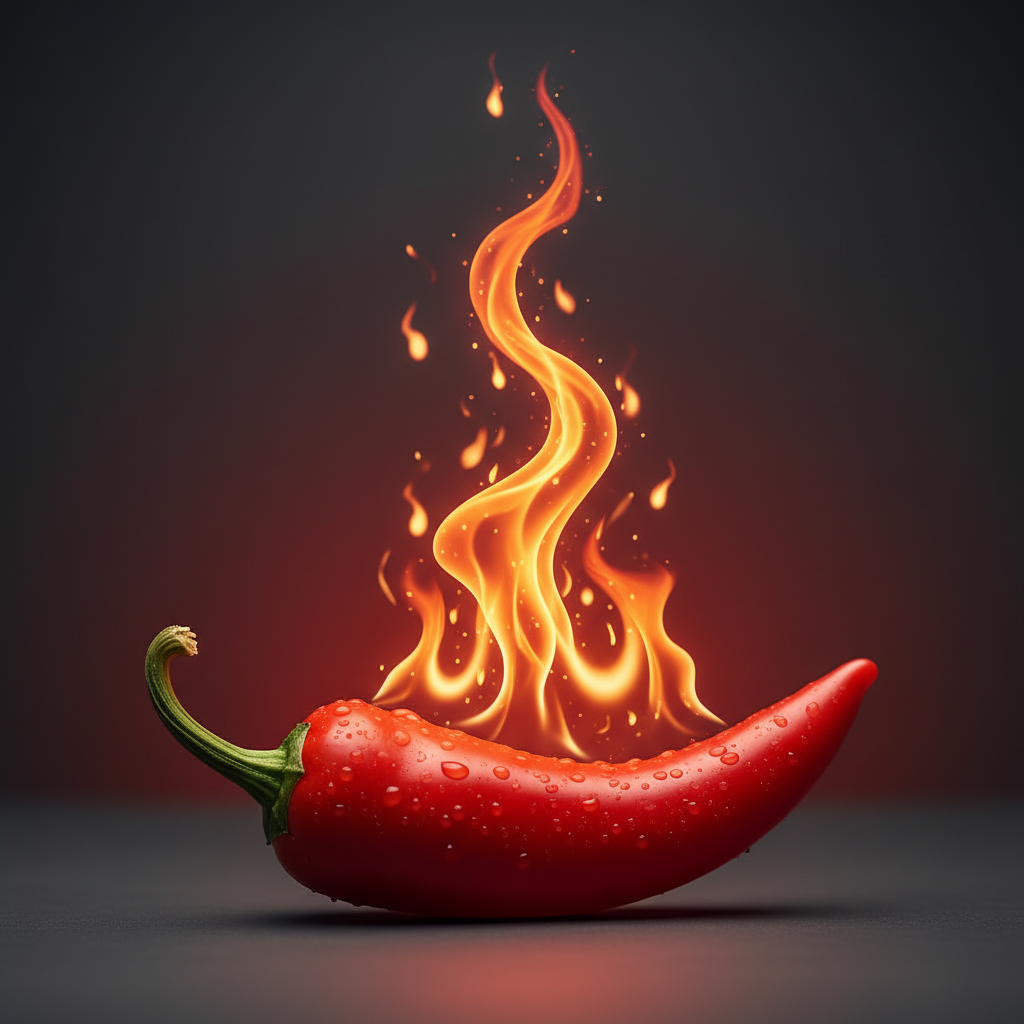
If you’re a fan of hot wings, curry, or anything with a kick, you’ve likely experienced the “ring of fire.” This classic case of spicy food burning poop is caused by a compound called capsaicin. It’s what gives chili peppers their heat.
Your digestive system doesn’t fully break down capsaicin. As it makes its journey through your intestines and out the other end, the capsaicin molecules bind to pain receptors in the sensitive lining of your rectum and anus—the same receptors that detect heat source. Your brain interprets this signal as a burning sensation, leading to that all-too-familiar discomfort.
Other foods can also contribute to acidic poop and irritation, including: * Tomatoes and tomato based sauces * Citrus fruits (oranges, lemons, grapefruit) * Coffee and other caffeinated drinks * Raw garlic and onions * Highly processed foods
Diarrhea
A bout of burning diarrhea is another extremely common cause of anal irritation. Diarrhea forces stool through your digestive system too quickly, meaning it’s often carrying potent digestive enzymes and bile acids. These substances are great for breaking down food inside your gut, but they are highly irritating to the delicate skin around your anus source. The frequent wiping associated with diarrhea only adds to the friction and discomfort, creating a perfect storm for anal burning after a bowel movement.
The Strain of Constipation
On the opposite end of the spectrum, constipation can also be a source of pain when pooping. When you’re constipated, your stool is often hard, dry, and difficult to pass. The excessive straining required to have a bowel movement can lead to tiny, painful tears in the anal lining (more on that next) and general irritation that feels like burning.
Common Medical Conditions Causing Anal Burning
If your symptoms persist even after adjusting your diet, it might be time to consider some common medical conditions that can cause a burning sensation.
Anal Fissures
An anal fissure is a small tear or cut in the thin, moist tissue lining the anus. These are incredibly common and are often caused by passing hard stools during constipation or, sometimes, from chronic diarrhea.
The main symptoms include a sharp, severe pain when pooping, followed by a deep, burning pain that can last for several hours. You might also notice a small amount of bright red blood on your toilet paper or in the toilet bowl source. The pain often causes the anal sphincter muscle to spasm, which can make the next bowel movement even more painful and hinder the healing process.
Hemorrhoids (Piles)
Hemorrhoids are swollen, inflamed veins in your anus or lower rectum. They can be internal (inside the rectum) or external (under the skin around the anus). They are a very common cause of anal discomfort and are often the result of straining during bowel movements, pregnancy, or chronic constipation.
Typical hemorrhoids symptoms include: * Itching, irritation, and swelling around the anus * Pain or discomfort, especially when sitting * A feeling of a sensitive lump near your anus * Painless bleeding during bowel movements (you might see bright red blood on the tissue)
While the primary sensation is often itching or dull pain, inflamed hemorrhoids can certainly cause a burning feeling, especially after a bowel movement.
Irritable Bowel Syndrome (IBS)
IBS is a chronic disorder that affects the large intestine. It doesn’t cause inflammation or permanent damage to the gut, but it can cause a host of uncomfortable symptoms, including cramping, abdominal pain, bloating, gas, and—you guessed it—diarrhea and/or constipation. If your IBS frequently causes bouts of burning diarrhea, the resulting irritation can lead to a persistent burning sensation.
Inflammatory Bowel Disease (IBD)
Unlike IBS, IBD is a term for two conditions—Crohn’s disease and ulcerative colitis—that are characterized by chronic inflammation of the gastrointestinal (GI) tract. This inflammation can cause severe diarrhea, abdominal pain, rectal bleeding, and a frequent, urgent need to have a bowel movement. The constant inflammation and frequent, often acidic, stools can lead to significant and painful anal burning after a bowel movement.
Proctitis
Proctitis is the inflammation of the lining of the rectum. This inflammation can be caused by a variety of factors, including IBD, sexually transmitted infections (STIs), radiation therapy, or other infections source. Symptoms often include rectal pain, a persistent feeling that you need to poop, and a burning sensation.
Other Potential Causes to Consider
While less common, it’s important to be aware of a few other potential causes.
- Sexually Transmitted Infections (STIs): Infections like herpes, gonorrhea, chlamydia, and HPV can cause inflammation and sores in the anal area, leading to pain and burning, particularly during bowel movements.
- Skin Conditions: Chronic skin conditions such as eczema or psoriasis can affect the perianal skin, causing dryness, itching, and a burning sensation that is worsened by wiping.
- Colorectal/Anal Cancer: Let’s be very clear: this is a rare cause of a burning sensation. However, it’s important to be aware of. Anal and colorectal cancers often have more prominent “red flag” symptoms, such as a significant change in bowel habits, unexplained weight loss, persistent abdominal pain, and significant rectal bleeding.
How to Stop Burning Poop: Soothing the Burn at Home
For many of the common causes, you can find significant relief with simple at-home care and prevention strategies. Here’s a look at how to stop burning poop.
1. Adjust Your Diet
- Increase Fiber: Fiber is your best friend for healthy bowel movements. It softens stool, making it easier to pass and reducing the need to strain. Aim for 25-35 grams per day from sources like fruits, vegetables, whole grains, and legumes source.
- Stay Hydrated: Water helps the fiber do its job. Drink at least 8-10 glasses of water a day to keep your stool soft.
- Identify and Avoid Triggers: If you suspect spicy food burning poop is your issue, try keeping a food diary to identify your triggers. You may not need to cut them out completely but moderating your intake can make a big difference.
2. Practice Gentle Hygiene
- Pat, Don’t Wipe: Aggressive wiping with dry toilet paper can severely irritate the skin. Instead, gently pat the area clean.
- Use Water: A bidet is an excellent tool for gentle, thorough cleaning. Alternatively, you can use a peri bottle (a small squirt bottle) with warm water.
- Choose Unscented Wipes: If you use wipes, make sure they are unscented and free of alcohol and other harsh chemicals that can cause further irritation.
- Keep it Dry: After cleaning, gently pat the area dry with a soft cloth. Trapped moisture can worsen irritation.
3. Take a Sitz Bath
A sitz bath is a warm, shallow bath that cleanses and soothes the perineum (the area between your rectum and genitals). Soaking for 15-20 minutes in plain warm water, two to three times a day, can relieve itching, irritation, and muscle spasms, especially for anal fissures and hemorrhoids.
4. Consider Over the Counter (OTC) Aids
- Stool Softeners & Fiber Supplements: For constipation-related issues, products like psyllium husk (Metamucil) or docusate sodium (Colace) can help.
- Topical Creams: For hemorrhoids, OTC creams containing hydrocortisone can reduce inflammation and itching, while products with witch hazel or lidocaine can provide soothing relief.
The Bottom Line: When to See a Doctor for Anal Pain
While most cases of burning poop resolve with home care, some symptoms should never be ignored. It’s crucial to seek medical advice to rule out more serious conditions and get the right treatment.
Schedule an appointment with your doctor if you experience any of the following:
- Pain or burning that is severe, persistent for more than a few days, or gets worse despite home remedies.
- Significant rectal bleeding (more than just a few streaks on the paper) or blood mixed in with your stool.
- Stools that appear black or tarry, which can indicate bleeding higher up in the digestive tract.
- Diarrhea that lasts for more than three days.
- A noticeable lump or mass in or around your anus.
- Any kind of pus-like or mucus discharge from your anus.
- Fever, chills, or unexplained weight loss accompanying your bowel symptoms.
conclusion
Experiencing pain when pooping is distressing, but understanding the potential causes is the first step toward finding relief.
By trying simple at home remedies and making preventative lifestyle changes, you can often manage the discomfort on your own. However, never hesitate to reach out to a healthcare provider. Your doctor can provide an accurate diagnosis, offer effective treatments, and give you peace of mind. Taking your symptoms seriously is the best thing you can do for your health.
Health Companion
trusted by
6Mpeople
Get clear medical guidance
on symptoms, medications, and lab reports.

download august