
Health Library
What is Muscle Cramp? Symptoms, Causes, & Treatment
October 10, 2025
Question on this topic? Get an instant answer from August.
What is a muscle cramp?
A muscle cramp is a sudden, painful tightening of a muscle that happens without warning. Your muscle contracts forcefully and stays locked in that position for seconds to minutes, creating intense discomfort that can stop you in your tracks.
Think of it like your muscle getting stuck in a clenched fist position and refusing to relax. This involuntary contraction can affect any muscle in your body, though it most commonly strikes your legs, feet, and hands. The good news is that most muscle cramps are harmless and resolve on their own.
While cramps can be startling and uncomfortable, they're incredibly common. Nearly everyone experiences them at some point, whether during exercise, at night, or just going about daily activities.
What are the symptoms of muscle cramps?
The main symptom is unmistakable: sudden, sharp pain as your muscle contracts and won't let go. You'll feel the affected muscle become rock-hard and visibly tight under your skin.
Here's what you might experience during a muscle cramp:
- Intense, stabbing pain that peaks quickly
- Muscle stiffness and hardness you can feel with your hand
- Visible muscle bulging or knots under the skin
- Inability to move the affected muscle normally
- Lingering soreness after the cramp releases
Most cramps last anywhere from a few seconds to several minutes. After the intense pain subsides, you might feel muscle tenderness for hours or even days, similar to the soreness after a tough workout.
What are the types of muscle cramps?
Muscle cramps fall into several categories based on when and why they occur. Understanding these types can help you identify patterns and potential triggers in your own experience.
The most common types include:
- Exercise-associated cramps: Happen during or right after physical activity, especially in hot weather
- Nocturnal cramps: Strike at night, often waking you from sleep, typically affecting calf muscles
- Rest cramps: Occur when you're sitting still or lying down, often without obvious cause
- Occupational cramps: Develop from repetitive activities like typing or gripping tools
Each type has slightly different triggers, but the cramping sensation feels remarkably similar regardless of the cause. Night cramps tend to be particularly bothersome because they disrupt sleep and can leave you limping around in the dark.
What causes muscle cramps?
Muscle cramps happen when your muscle's normal communication system gets disrupted. Your nerves send mixed signals, causing the muscle to contract without your brain's permission and then refuse to relax.
Several factors can trigger this miscommunication:
- Dehydration: Not drinking enough fluids affects muscle function
- Electrolyte imbalances: Low levels of sodium, potassium, calcium, or magnesium
- Muscle fatigue: Overworking muscles during exercise or daily activities
- Poor blood circulation: Reduced blood flow to muscles, especially when sitting too long
- Nerve compression: Pressure on nerves from sleeping positions or tight clothing
- Age-related changes: Muscles naturally lose mass and flexibility over time
Sometimes cramps occur without any clear trigger, which can be frustrating but is completely normal. Your body might simply be responding to subtle changes in temperature, position, or activity level that you don't notice.
Certain medications can also increase cramping, including diuretics, statins, and some blood pressure medications. If you've recently started new medications and notice more frequent cramps, this connection is worth discussing with your doctor.
When to see a doctor for muscle cramps?
Most muscle cramps are harmless and don't require medical attention. However, certain situations warrant a conversation with your healthcare provider to rule out underlying conditions.
Consider reaching out to your doctor if you experience:
- Cramps that happen daily or multiple times per week
- Severe pain that doesn't improve with stretching or massage
- Cramps accompanied by muscle weakness or numbness
- Signs of infection like redness, warmth, or swelling
- Cramps that interfere significantly with sleep or daily activities
- New cramping patterns after starting medications
You should seek immediate medical attention if cramps come with chest pain, difficulty breathing, or severe weakness. These symptoms could indicate a more serious condition requiring prompt evaluation.
What are the risk factors for muscle cramps?
Certain factors make you more likely to experience muscle cramps, though having risk factors doesn't guarantee you'll develop them. Understanding your personal risk can help you take preventive steps.
Common risk factors include:
- Age over 65: Natural muscle changes and medication use increase risk
- Intense physical activity: Especially in hot, humid conditions
- Pregnancy: Hormonal changes and increased nutritional needs
- Medical conditions: Diabetes, liver disease, kidney problems, or thyroid disorders
- Prolonged sitting or standing: Occupations requiring static positions
- Certain medications: Diuretics, statins, and some heart medications
Athletes and people who sweat heavily are particularly susceptible because they lose electrolytes through perspiration. Similarly, older adults face higher risk due to age-related muscle changes and the likelihood of taking multiple medications.
Having multiple risk factors doesn't mean cramps are inevitable. Many people with several risk factors never experience significant cramping, while others with few risk factors may have frequent episodes.
What are the possible complications of muscle cramps?
The vast majority of muscle cramps resolve without causing lasting problems. However, understanding potential complications helps you know when to seek additional care or modify your approach.
Possible complications include:
- Muscle strain or injury: Forceful stretching during a cramp can damage muscle fibers
- Sleep disruption: Frequent night cramps can lead to chronic fatigue and mood changes
- Activity limitation: Fear of cramping may cause you to avoid exercise or activities you enjoy
- Persistent muscle soreness: Severe cramps can leave muscles tender for days

Rarely, extremely severe cramps might indicate an underlying medical condition that needs treatment. This is more likely if cramps are accompanied by other symptoms like persistent weakness, numbness, or changes in skin color.
The psychological impact shouldn't be overlooked either. Frequent cramping can create anxiety about when the next episode will strike, potentially affecting your quality of life and willingness to stay active.
How can muscle cramps be prevented?
Prevention strategies focus on maintaining proper muscle function and avoiding known triggers. While you can't prevent every cramp, these approaches can significantly reduce their frequency and severity.
Effective prevention methods include:
- Stay hydrated: Drink water throughout the day, especially before, during, and after exercise
- Maintain electrolyte balance: Eat foods rich in potassium, magnesium, and calcium
- Stretch regularly: Gentle stretching before bed and after exercise
- Warm up properly: Prepare muscles gradually before intense activity
- Avoid prolonged static positions: Change positions frequently during long periods of sitting or standing
- Wear proper footwear: Supportive shoes can prevent muscle strain
For night cramps specifically, try gentle calf stretches before bed and ensure your sleeping position doesn't compress your legs. Some people find relief from keeping their feet flexed rather than pointed while sleeping.
If you're prone to exercise-related cramps, pay special attention to gradual conditioning and environmental factors like temperature and humidity. Building endurance slowly gives your muscles time to adapt to increased demands.
How are muscle cramps diagnosed?
Diagnosing muscle cramps typically involves a thorough discussion of your symptoms and medical history. Your doctor will want to understand when cramps occur, how often, and what might trigger them.
The diagnostic process usually includes:
- Symptom review: Detailed questions about cramp frequency, duration, and triggers
- Physical examination: Checking muscle strength, reflexes, and circulation
- Medical history: Reviewing medications, medical conditions, and family history
- Activity assessment: Understanding your exercise habits and daily routine
In most cases, no special tests are needed because the diagnosis is clear from your description. However, your doctor might order blood tests to check electrolyte levels or kidney function if they suspect an underlying condition.
Additional testing becomes necessary if cramps are frequent, severe, or accompanied by other concerning symptoms. This might include nerve conduction studies or imaging to rule out nerve compression or circulation problems.
What is the treatment for muscle cramps?
Treatment for muscle cramps focuses on immediate relief during episodes and preventing future occurrences. The approach varies depending on the cramp's severity and underlying cause.
Immediate treatment during a cramp includes:
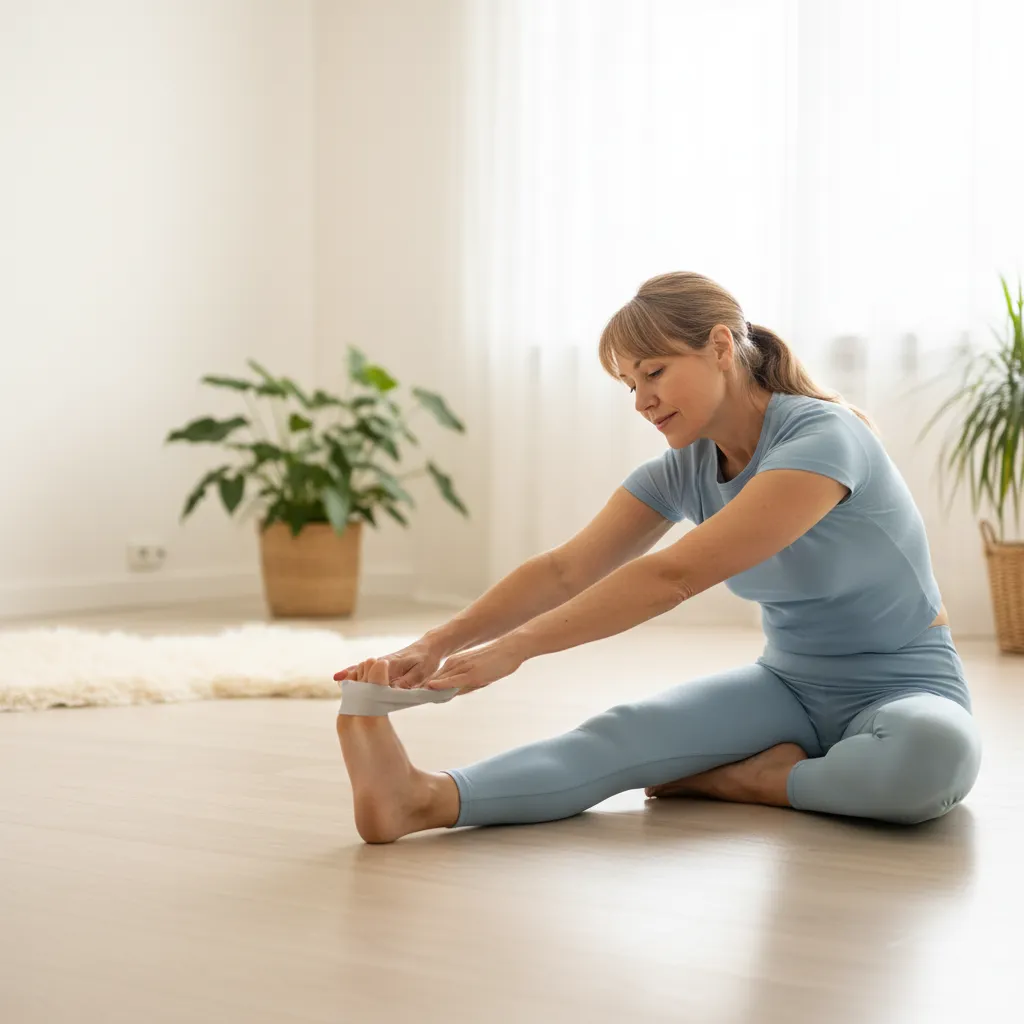
- Gentle stretching: Slowly stretch the cramped muscle in the opposite direction
- Massage: Apply gentle pressure and knead the tight muscle
- Heat or cold therapy: Use a warm compress or ice pack as feels most comfortable
- Movement: Light walking can help relax the muscle and improve circulation
For ongoing management, your doctor might recommend dietary changes to ensure adequate electrolyte intake or adjustments to medications that could be contributing to cramping.
In rare cases where cramps are severe and frequent, prescription medications might be considered. However, these are typically reserved for situations where cramps significantly impact daily life and other treatments haven't helped.
How to take home treatment during muscle cramps?
Home treatment can be very effective for managing muscle cramps and reducing their impact on your daily life. The key is having a plan ready before cramps strike and knowing what works best for your body.
During an active cramp:
- Stop what you're doing and find a safe place to address the cramp
- Gently stretch the affected muscle by moving it in the opposite direction of the contraction
- Apply pressure with your hands, massaging the cramped area with firm but gentle strokes
- Use temperature therapy - try heat for tight muscles or cold for inflammation
- Stay calm and breathe deeply while waiting for the cramp to release
After the cramp subsides, continue gentle stretching and consider light movement to prevent stiffness. Drinking water can help if dehydration contributed to the episode.
For nighttime cramps, keep a plan beside your bed. Practice the stretches during the day so you can perform them easily when awakened by pain. Some people find relief from standing and walking briefly, while others prefer to stretch while remaining in bed.
How should you prepare for your doctor appointment?
Before your visit, consider tracking:
- Cramp frequency: How often they occur and at what times of day
- Triggers: Activities, foods, or situations that seem to bring on cramps
- Duration and intensity: How long cramps last and how painful they are
- Location patterns: Which muscles are most commonly affected
- Current medications: Include supplements and over-the-counter drugs
- Treatment attempts: What you've tried and how well it worked
Bring a list of questions about prevention strategies, treatment options, or concerns about underlying conditions. Don't hesitate to ask about lifestyle modifications that might help reduce cramping episodes.
If cramps interfere with sleep or daily activities, be specific about how they impact your life. This information helps your doctor understand the severity and develop an appropriate treatment plan tailored to your needs.
What's the key takeaway about muscle cramps?
Muscle cramps are common, usually harmless episodes that most people experience at some point in their lives. While they can be painful and disruptive, understanding their causes and having effective management strategies can significantly reduce their impact.
The most important points to remember are that staying hydrated, maintaining proper nutrition, and stretching regularly can prevent many cramps. When they do occur, gentle stretching and massage typically provide relief within minutes.
Most cramps don't require medical attention, but don't hesitate to consult your doctor if they become frequent, severe, or interfere with your daily life. With the right approach, you can minimize cramping episodes and maintain an active, comfortable lifestyle.
Frequently asked questions about Muscle Cramp
Q.1 Why do muscle cramps happen at night?
Q.1 Why do muscle cramps happen at night?
Night cramps often occur because your muscles are in static positions for hours, reducing blood flow and making them more prone to involuntary contractions. Dehydration from not drinking fluids overnight and natural changes in electrolyte levels can also contribute to nighttime cramping episodes.
Q.2 Can eating bananas really prevent muscle cramps?
Q.2 Can eating bananas really prevent muscle cramps?
Bananas can help because they contain potassium, an electrolyte that supports proper muscle function. However, they're not a magic cure for all cramps. A balanced diet including various potassium-rich foods like oranges, spinach, and yogurt is more effective than relying on bananas alone.
Q.3 Is it normal to get muscle cramps during pregnancy?
Q.3 Is it normal to get muscle cramps during pregnancy?
Yes, muscle cramps are very common during pregnancy, especially in the second and third trimesters. Growing nutritional needs, hormonal changes, and increased pressure on blood vessels can all contribute to cramping. Gentle stretching and staying hydrated can help manage pregnancy-related cramps.
Q.4 Should I stretch a muscle while it's cramping?
Q.4 Should I stretch a muscle while it's cramping?
Yes, gentle stretching is one of the most effective ways to relieve an active cramp. Move slowly and stretch the muscle in the direction opposite to the contraction. Avoid forceful or aggressive stretching, which could cause injury while the muscle is already contracted.
Q.5 How long do muscle cramps typically last?
Q.5 How long do muscle cramps typically last?
Most muscle cramps last anywhere from a few seconds to several minutes. The intense pain usually peaks quickly and then gradually subsides as the muscle relaxes. You might feel some residual soreness for hours or days afterward, but this lingering discomfort is normal and usually mild.
Health Companion
trusted by
6Mpeople
Get clear medical guidance
on symptoms, medications, and lab reports.

download august