
Health Library
What is Sunburn? Symptoms, Causes, & Treatment
October 10, 2025
Question on this topic? Get an instant answer from August.
What is sunburn?
Sunburn is your skin's inflammatory response to too much ultraviolet (UV) radiation from the sun or artificial sources like tanning beds. Think of it as your body's alarm system telling you that your skin cells have been damaged by UV rays.
When UV radiation penetrates your skin, it damages the DNA in your skin cells. Your immune system responds by increasing blood flow to the affected area, which causes the redness, warmth, and swelling you recognize as sunburn. This process typically begins within a few hours of sun exposure and peaks around 12 to 24 hours later.
Most sunburns are considered first-degree burns, affecting only the outer layer of skin called the epidermis. While uncomfortable, these usually heal on their own within a few days to a week with proper care.
What are the symptoms of sunburn?
Sunburn symptoms typically appear within a few hours of overexposure and can vary from mild to severe. Your skin is essentially telling you a story about the damage it has received.
The most common symptoms you might experience include:
- Red, warm, or tender skin that may feel tight
- Pain or stinging sensation, especially when touched
- Swelling in the affected areas
- Small, fluid-filled blisters that may appear after a day or two
- Peeling skin as your body sheds damaged cells
- Headache, fever, or chills if the burn covers a large area
In more severe cases, you might experience nausea, fatigue, or dizziness. These symptoms suggest your body is working hard to heal more extensive damage. The peeling that often follows a few days later is actually your skin's natural way of removing damaged cells and replacing them with healthy ones.
What are the types of sunburn?
Sunburn is classified into different degrees based on how deeply the UV damage penetrates your skin. Understanding these types can help you gauge the severity and know when to seek medical attention.
First-degree sunburn affects only your skin's outer layer and is the most common type. Your skin appears red and feels warm and tender, similar to a mild cooking burn. This type typically heals within three to five days without leaving scars.
Second-degree sunburn penetrates deeper into your skin layers and often develops blisters filled with clear fluid. The affected area may appear very red or even purplish, and the pain is usually more intense. These burns take longer to heal, often one to two weeks, and may leave temporary changes in skin color.
Third-degree sunburn is extremely rare but represents the most severe form. This affects all layers of your skin and may appear white, brown, or charred. The area might feel numb due to nerve damage, and immediate medical attention is essential as these burns require professional treatment and can lead to serious complications.
What causes sunburn?
Sunburn occurs when your skin absorbs more UV radiation than your natural protective mechanisms can handle. Your skin produces melanin, a pigment that acts like a natural sunscreen, but it can only provide limited protection.
Several factors can increase your risk of burning:
- Time of day - UV rays are strongest between 10 AM and 4 PM
- Season and location - summer months and areas closer to the equator have more intense UV radiation
- Altitude - UV exposure increases by about 4% for every 1,000 feet above sea level
- Reflective surfaces like water, sand, snow, or concrete can intensify UV exposure
- Certain medications that increase photosensitivity
- Skin type - lighter skin tones burn more easily due to less melanin
Weather conditions can be deceiving too. You can get sunburned on cloudy days since UV rays can penetrate clouds, and wind or cool temperatures might mask the warming sensation that typically warns you about overexposure. Even indoor tanning beds emit concentrated UV radiation that can cause severe burns.
When to see a doctor for sunburn?
Most sunburns can be managed safely at home, but certain situations require professional medical attention. Your body will usually give you clear signals when the damage is more serious than typical sunburn.
Contact your healthcare provider if you experience fever higher than 101°F (38.3°C), severe chills, or signs of dehydration like dizziness, dry mouth, or decreased urination. These symptoms suggest your body is struggling to cope with the damage.
Seek immediate medical care if you develop large blisters covering more than 20% of your body, signs of infection like pus, red streaking, or increasing pain and swelling. Additionally, if you experience severe pain that doesn't improve with over-the-counter medications, nausea, confusion, or faintness, these could indicate sun poisoning or heat-related illness.
People with certain medical conditions like lupus, diabetes, or those taking medications that increase sun sensitivity should consult their doctor even for seemingly mild sunburns. Your healthcare provider can assess whether your specific situation requires additional monitoring or treatment.
What are the risk factors for sunburn?
Understanding your personal risk factors can help you take appropriate precautions when spending time outdoors. Some factors you can control, while others are simply part of who you are.
Your natural characteristics play a significant role in sunburn risk:
- Fair skin, light-colored eyes, and blonde or red hair
- Family history of skin cancer or frequent sunburns
- Age - children under 6 and adults over 60 have more sensitive skin
- Freckles or moles, which indicate sun-sensitive skin
- Previous history of sunburns, especially during childhood
Lifestyle and environmental factors also influence your risk. Living at high altitudes, spending time near reflective surfaces, or working outdoors increases your UV exposure. Certain medications including antibiotics, diuretics, and some acne treatments can make your skin more photosensitive.
Even if you have naturally darker skin that rarely burns, you're not completely immune to UV damage. While you may not experience the classic red, painful sunburn, UV radiation can still cause long-term skin damage and increase skin cancer risk in people of all skin tones.
What are the possible complications of sunburn?
While most sunburns heal without lasting problems, repeated or severe sun damage can lead to both immediate and long-term complications. Your skin has a remarkable ability to repair itself, but it also keeps a record of every burn.
Immediate complications you might experience include:
- Dehydration from fluid loss through damaged skin
- Secondary bacterial infections if blisters break and aren't kept clean
- Heat exhaustion or heat stroke from prolonged sun exposure
- Severe pain that interferes with sleep and daily activities
- Temporary changes in skin pigmentation
Long-term complications from repeated sunburns are more serious and develop gradually over years. These include premature skin aging with wrinkles, age spots, and leathery texture. More concerning is the significantly increased risk of skin cancers, including melanoma, basal cell carcinoma, and squamous cell carcinoma.

Eye damage is another often-overlooked complication. UV radiation can cause painful conditions like photokeratitis (essentially sunburn of the cornea) and contribute to cataracts and macular degeneration later in life. This is why protecting your eyes is just as important as protecting your skin.
How can sunburn be prevented?
Prevention is truly your best defense against sunburn and its complications. The good news is that effective sun protection doesn't mean you have to avoid outdoor activities entirely.
Sunscreen is your primary tool, but choosing and using it correctly makes all the difference. Select a broad-spectrum sunscreen with at least SPF 30, and apply it generously about 15 to 30 minutes before going outside. Most people use only about half the recommended amount, so be more generous than you think necessary.
Your clothing choices can provide excellent protection too. Tightly woven fabrics, darker colors, and clothing specifically designed with UV protection offer better coverage than thin, loose-weave materials. Wide-brimmed hats protect your face, ears, and neck, while UV-blocking sunglasses shield your eyes and the delicate skin around them.
Timing and location strategies are equally important. Seek shade during peak UV hours between 10 AM and 4 PM, and remember that UV rays can reflect off water, sand, snow, and concrete, intensifying your exposure. Even on cloudy days, up to 80% of UV rays can penetrate the clouds, so maintain your protective habits regardless of weather conditions.
How is sunburn diagnosed?
Diagnosing sunburn is usually straightforward and based primarily on your symptoms and recent sun exposure history. Your healthcare provider can typically make the diagnosis just by looking at your skin and asking about your activities.
During your evaluation, your doctor will examine the affected areas to assess the severity and extent of the burn. They'll look for signs of blistering, swelling, and check if the burn appears to be first, second, or third degree. The pattern and location of the redness often tells the story of how the exposure occurred.
Your medical history helps complete the picture. Your doctor will ask about when the exposure occurred, how long you were in the sun, what protection you used, and any medications you're taking that might increase sun sensitivity. They'll also want to know about any symptoms like fever, chills, or nausea that might indicate more serious complications.
In most cases, no special tests are needed for sunburn diagnosis. However, if there are signs of infection, severe dehydration, or other complications, your doctor might recommend additional evaluations like blood tests or wound cultures to guide appropriate treatment.
What is the treatment for sunburn?
Treating sunburn focuses on cooling your skin, reducing inflammation, preventing infection, and keeping you comfortable while your body heals. The good news is that most sunburns respond well to simple, gentle care.
For immediate relief, cool your skin with cold compresses, cool baths, or cool showers. Adding ingredients like baking soda, oatmeal, or milk to bath water can provide additional soothing benefits. Avoid ice directly on the skin, as this can cause further damage to already compromised tissue.
Topical treatments can significantly ease discomfort:
- Aloe vera gel provides cooling relief and may help with healing
- Moisturizers with ingredients like ceramides or hyaluronic acid help repair the skin barrier
- Over-the-counter hydrocortisone cream can reduce inflammation and itching
- Avoid products with petroleum, benzocaine, or lidocaine, which can trap heat or cause allergic reactions
Oral medications like ibuprofen or aspirin can help reduce pain and inflammation from the inside out. These are particularly helpful if you're experiencing systemic symptoms like headache or general discomfort. Stay well-hydrated by drinking plenty of water, as sunburn draws fluid to the skin's surface and away from the rest of your body.
For severe sunburns, your doctor might prescribe stronger treatments like prescription corticosteroid creams or even oral steroids to reduce inflammation. If blisters develop, resist the urge to pop them, as they provide natural protection against infection.
How to manage sunburn at home?
Home care for sunburn can significantly improve your comfort and potentially speed healing when done correctly. The key is being gentle with your damaged skin while supporting your body's natural healing processes.
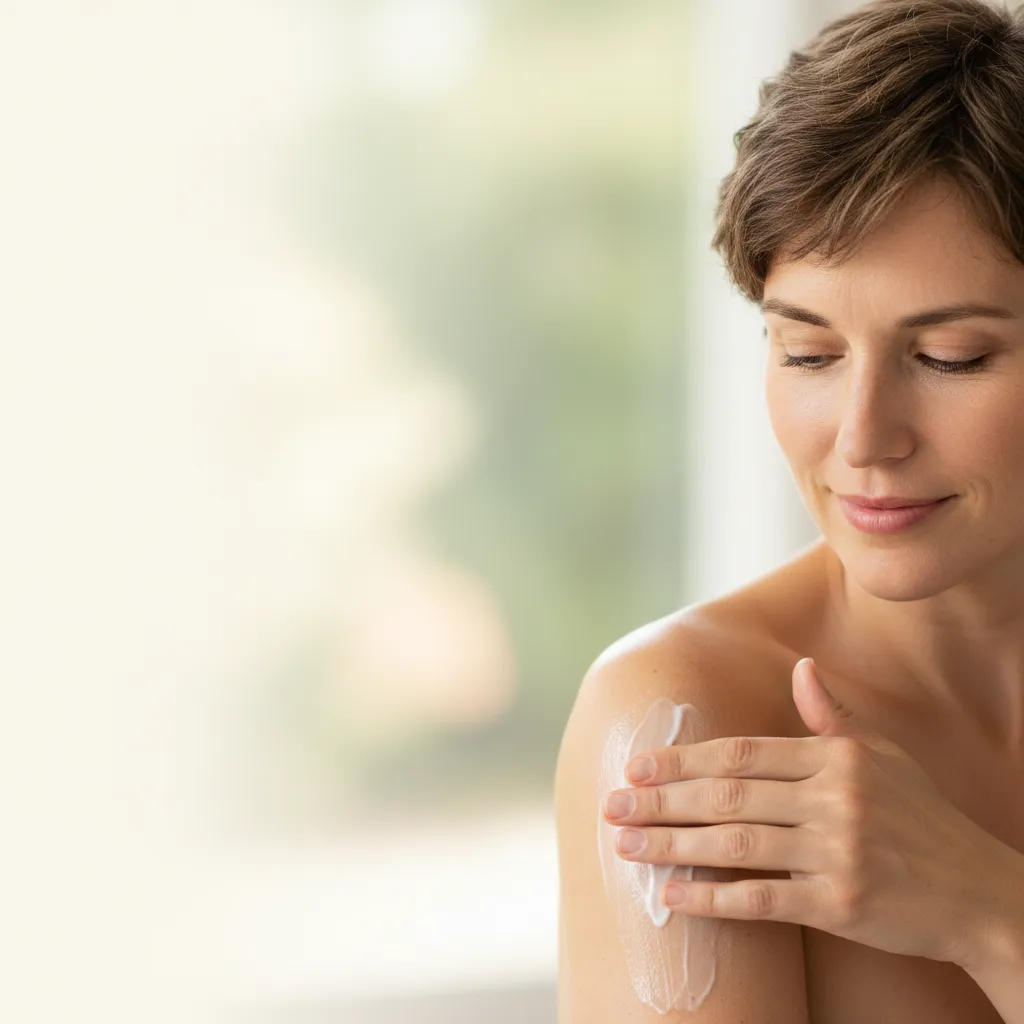
Create a cooling routine that you can repeat throughout the day. Take cool showers or baths for 10 to 15 minutes several times daily, and gently pat your skin dry rather than rubbing. While your skin is still slightly damp, apply a fragrance-free moisturizer to help lock in hydration and prevent excessive peeling.
Your clothing choices matter during recovery too. Wear loose, soft fabrics that won't rub against sensitive skin. Natural fibers like cotton allow your skin to breathe and don't trap heat like synthetic materials might. If blisters form, protect them with loose, non-stick bandages.
Monitor your hydration carefully by drinking water regularly throughout the day. Your urine should be pale yellow if you're adequately hydrated. Avoid alcohol and caffeine, which can contribute to dehydration. Get plenty of rest, as sleep gives your body the best opportunity to focus energy on healing damaged tissue.
Watch for warning signs that indicate you need professional care, such as increasing pain, pus formation, red streaking from the burn area, or fever. These symptoms could indicate complications that require medical attention.
How should you prepare for your doctor appointment?
Preparing for your appointment helps ensure you get the most effective care and don't forget important details about your sunburn. Your doctor needs specific information to assess your situation accurately.
Document your sun exposure details before your visit. Note when the exposure occurred, approximately how long you were in the sun, what time of day, and what activities you were doing. Also record what sun protection you used, if any, and whether you were near reflective surfaces like water or sand.
Make a list of all your current medications, including over-the-counter drugs, supplements, and topical treatments you've tried for the sunburn. Some medications can increase sun sensitivity, and your doctor needs to know what treatments you've already attempted.
Prepare to describe your symptoms in detail, including when they started, how they've changed, and what makes them better or worse. Take photos of the affected areas if possible, especially if the appearance has changed since the burn occurred. This helps your doctor track the progression and severity.
Write down any questions you have about treatment, prevention, or when to return if symptoms worsen. Don't hesitate to ask about long-term skin care or how to better protect yourself in the future.
What's the key takeaway about sunburn?
Sunburn is your skin's way of signaling that it has received more UV damage than it can handle safely. While most sunburns heal with proper home care, they represent real damage to your skin cells that accumulates over time.
The most important thing to remember is that sunburn is highly preventable with consistent sun protection habits. Using broad-spectrum sunscreen, seeking shade during peak hours, and wearing protective clothing can dramatically reduce your risk while still allowing you to enjoy outdoor activities.
Pay attention to your body's signals and don't hesitate to seek medical care if you experience severe symptoms like high fever, extensive blistering, or signs of infection. Your skin health is an investment in your long-term wellbeing, and taking sunburn seriously today helps protect you from more serious complications down the road.
Remember that people of all skin tones can experience sun damage, even if they don't burn in the traditional sense. Consistent sun protection benefits everyone and helps maintain healthy, resilient skin throughout your life.
Frequently asked questions about Sunburn
Can you get sunburned through windows?
Can you get sunburned through windows?
You can get sunburned through windows, but it depends on the type of glass and UV rays involved. Most standard window glass blocks UVB rays, which are primarily responsible for sunburn, but allows UVA rays to pass through. While UVA rays are less likely to cause immediate burning, they still contribute to skin aging and cancer risk over time. Car windows typically offer more protection than home windows, especially if they're tinted, but prolonged exposure near any window can still cause skin damage.
How long does sunburn pain typically last?
How long does sunburn pain typically last?
Sunburn pain usually peaks within 6 to 48 hours after sun exposure and typically begins to improve after 2 to 3 days. For mild sunburns, discomfort generally resolves within a week, while more severe burns can cause pain for 10 to 14 days. The peeling phase that follows often comes with itching rather than sharp pain. Taking anti-inflammatory medications like ibuprofen and keeping your skin moisturized can help manage discomfort throughout the healing process.
Is it safe to put ice directly on sunburned skin?
Is it safe to put ice directly on sunburned skin?
You should never put ice directly on sunburned skin, as this can actually cause more damage to already compromised tissue. Direct ice contact can lead to frostbite-like injuries and may worsen the burn. Instead, use cool (not ice-cold) compresses, take cool showers or baths, or wrap ice in a towel before applying it to the area. The goal is gentle cooling that provides relief without shocking your damaged skin with extreme temperatures.
Can certain medications make you more likely to sunburn?
Can certain medications make you more likely to sunburn?
Yes, many common medications can significantly increase your sun sensitivity, a condition called photosensitivity. Antibiotics like tetracycline and sulfa drugs, some blood pressure medications, diuretics, and certain acne treatments can make your skin burn much more easily than usual. Nonsteroidal anti-inflammatory drugs (NSAIDs), some antidepressants, and even some herbal supplements can also increase photosensitivity. Always check with your pharmacist or doctor about sun sensitivity when starting new medications, and be extra vigilant about sun protection if you're taking these drugs.
Should you moisturize sunburned skin or let it dry out?
Should you moisturize sunburned skin or let it dry out?
You should definitely moisturize sunburned skin, as this helps support healing and prevents excessive peeling. Apply a gentle, fragrance-free moisturizer while your skin is still slightly damp from bathing to help lock in hydration. Look for products containing ingredients like aloe vera, ceramides, or hyaluronic acid, which can provide additional healing benefits. Avoid moisturizers with petroleum jelly, which can trap heat, or those with fragrances or alcohol, which may irritate damaged skin. Keeping sunburned skin moisturized helps maintain the skin barrier and can reduce the severity of peeling that often follows.
Health Companion
trusted by
6Mpeople
Get clear medical guidance
on symptoms, medications, and lab reports.

download august