
Health Library
What is Berdazimer: Uses, Dosage, Side Effects and More
October 10, 2025
Question on this topic? Get an instant answer from August.
Berdazimer is a newer topical medication that helps treat certain skin conditions by working directly on the affected area. It's designed to be applied to your skin rather than taken as a pill, which allows it to target specific problem areas while minimizing effects on the rest of your body.
This medication represents a fresh approach to treating skin issues, offering patients another option when other treatments haven't worked as well as hoped. Understanding how it works and what to expect can help you feel more confident about your treatment plan.
What is Berdazimer Used For?
Berdazimer is primarily used to treat molluscum contagiosum, a common viral skin infection that causes small, raised bumps on the skin. These bumps are typically harmless but can be bothersome, especially in children who develop them frequently.
The medication works particularly well for people who want to actively treat their molluscum rather than wait for it to resolve on its own. While molluscum often clears up naturally over time, this process can take months or even years, making treatment an appealing option for many families.
Your doctor might also consider berdazimer for other skin conditions, though molluscum contagiosum remains its primary approved use. The decision to use this medication depends on your specific situation and medical history.
How Does Berdazimer Work?
Berdazimer works by releasing nitric oxide when it comes into contact with your skin. This nitric oxide helps your immune system recognize and fight the virus causing molluscum contagiosum more effectively.
Think of it as giving your body's natural defenses a gentle boost right where they're needed most. The medication doesn't just mask symptoms but actually helps your immune system address the underlying viral infection.
As a topical treatment, berdazimer is considered a moderate-strength medication that works gradually over time. It's not as harsh as some other skin treatments, but it's more active than simple moisturizers or barrier creams.
How Should I Take Berdazimer?
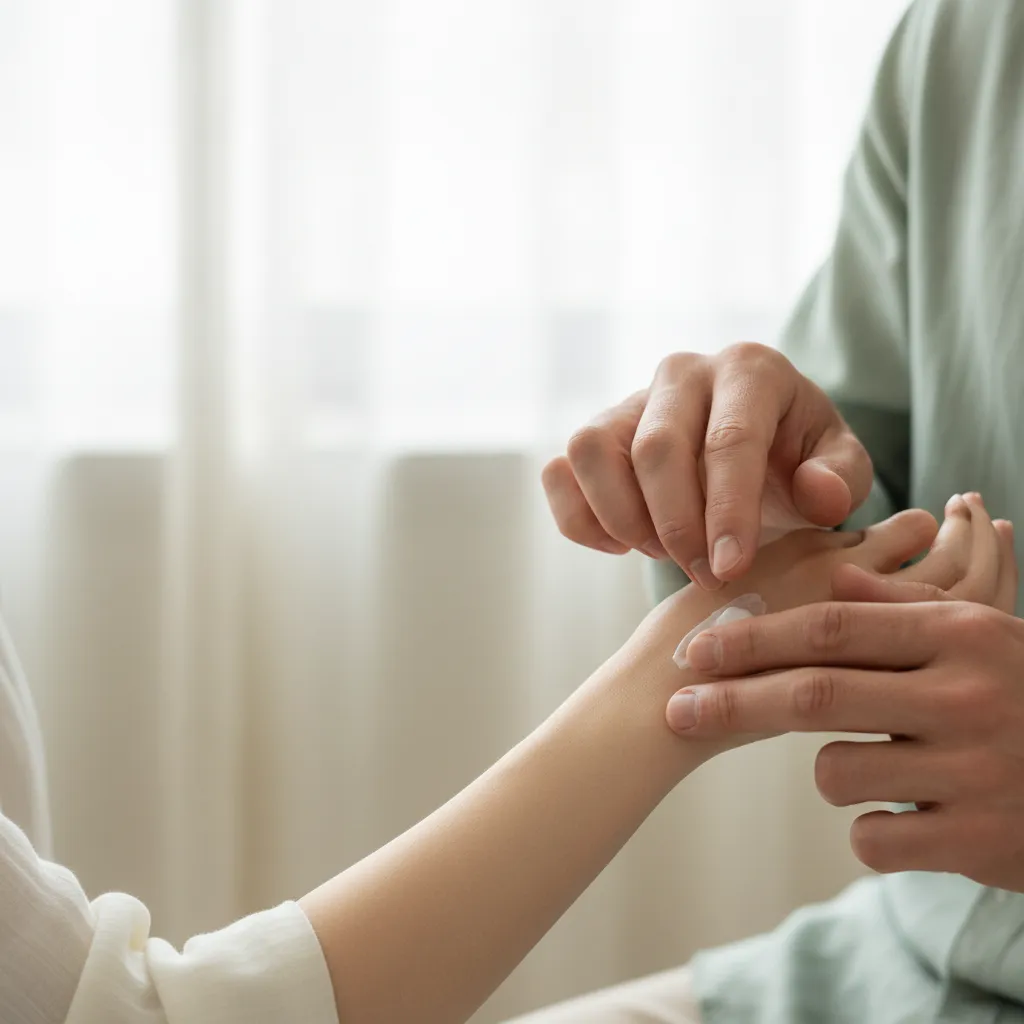
You'll apply berdazimer directly to the affected skin areas, typically twice daily or as directed by your healthcare provider. The medication comes as a gel that you squeeze from a tube and spread thinly over the bumps.
Before applying, wash your hands thoroughly and gently clean the affected area with mild soap and water. Pat the skin dry, then apply a thin layer of the gel to cover each bump completely, including a small area around it.
After application, wash your hands again unless you're treating bumps on your hands. You don't need to cover the treated areas with bandages unless your doctor specifically recommends it. The gel will absorb into your skin naturally.
You can apply berdazimer with or without food since it's not taken by mouth. However, try to apply it at consistent times each day to maintain steady treatment levels on your skin.
How Long Should I Take Berdazimer For?
Most people use berdazimer for several weeks to a few months, depending on how their skin responds to treatment. Your doctor will typically recommend continuing treatment until the bumps clear up completely.
You might start noticing changes in your skin within the first few weeks, but complete clearing often takes longer. Some bumps may disappear quickly while others take more time, which is completely normal.
Your healthcare provider will monitor your progress and may adjust the treatment duration based on how well your skin is responding. Don't stop using the medication early, even if some bumps have cleared, unless your doctor advises you to do so.
What Are the Side Effects of Berdazimer?
The most common side effects of berdazimer happen right where you apply it and are usually mild to moderate. Your skin might become red, irritated, or slightly swollen in the treated areas, which often indicates the medication is working.
Here are the side effects you might experience, keeping in mind that most people tolerate this medication well:

- Redness and irritation at the application site
- Mild burning or stinging sensation when you first apply it
- Dry or flaky skin in treated areas
- Slight swelling around the treated bumps
- Temporary darkening or lightening of the skin where applied
These reactions usually improve as your skin adjusts to the medication. If they become severe or don't improve after a few days, contact your healthcare provider for guidance.
Rare but more serious side effects can include severe skin reactions or allergic responses. If you develop widespread rash, difficulty breathing, or severe swelling, seek immediate medical attention.
Who Should Not Take Berdazimer?
Berdazimer isn't suitable for everyone, and your doctor will consider your individual circumstances before prescribing it. People with certain skin conditions or sensitivities may need alternative treatments.
You should avoid berdazimer if you're allergic to any of its ingredients or have had previous reactions to similar topical medications. Your doctor will review your allergy history before starting treatment.
Special consideration is needed for pregnant or breastfeeding women, as limited information exists about berdazimer's safety in these situations. Your healthcare provider will weigh the benefits against potential risks.
People with compromised immune systems or those taking medications that affect immunity may need modified treatment approaches. Always inform your doctor about all medications and health conditions you have.
Berdazimer Brand Names
Berdazimer is available under the brand name Zelsuvmi in the United States. This is currently the primary brand name you'll encounter when your doctor prescribes this medication.
The medication is relatively new to the market, so you might not find generic versions available yet. Your pharmacy will likely stock it under the Zelsuvmi brand name.
If you have questions about insurance coverage or cost, speak with your pharmacist or healthcare provider. They can provide information about patient assistance programs if needed.
Berdazimer Alternatives
Several other treatment options exist for molluscum contagiosum if berdazimer isn't right for you. Your doctor might consider these alternatives based on your specific situation and preferences.
Imiquimod is another topical medication that works by boosting your immune system's response to the virus. It's been used longer than berdazimer and has a well-established safety profile.
Cantharidin, applied by healthcare providers in the office, is another option that causes the bumps to blister and eventually fall off. This treatment requires professional application and follow-up visits.
Some doctors prefer a "wait and watch" approach, especially for children, since molluscum often resolves on its own. The choice depends on factors like the number of bumps, their location, and how much they bother you.
Is Berdazimer Better Than Imiquimod?
Both berdazimer and imiquimod are effective treatments for molluscum contagiosum, but they work in slightly different ways. Neither is definitively "better" than the other - the best choice depends on your individual situation.
Berdazimer is newer and may cause less irritation for some people, while imiquimod has been used successfully for many years with well-documented results. Your doctor will consider factors like your skin sensitivity and previous treatment responses.
Some people respond better to one medication over the other, and occasionally doctors might switch treatments if the first choice doesn't work as expected. Both medications require consistent application and patience to see results.
The decision often comes down to your specific medical history, insurance coverage, and personal preferences after discussing the options with your healthcare provider.
Frequently asked questions about Berdazimer (topical application route)
Q1. Is Berdazimer Safe for Children?
Q1. Is Berdazimer Safe for Children?
Yes, berdazimer is approved for use in children and is often prescribed for pediatric molluscum contagiosum. Children commonly develop this condition, and the medication has been studied in pediatric populations.
However, children's skin can be more sensitive than adult skin, so your doctor might recommend starting with less frequent applications or monitoring more closely. Parents should supervise application to ensure proper use and watch for any concerning reactions.
Q2. What Should I Do if I Accidentally Use Too Much Berdazimer?
Q2. What Should I Do if I Accidentally Use Too Much Berdazimer?
If you apply more berdazimer than recommended, don't panic. Gently wash the excess medication off with mild soap and water, then pat the area dry.
Using too much won't make the medication work faster and might increase irritation. If you experience severe burning, redness, or other concerning symptoms after overapplication, contact your healthcare provider for guidance.
Q3. What Should I Do if I Miss a Dose of Berdazimer?
Q3. What Should I Do if I Miss a Dose of Berdazimer?
If you forget to apply berdazimer, apply it as soon as you remember, unless it's almost time for your next scheduled dose. In that case, skip the missed dose and continue with your regular schedule.
Don't apply extra medication to make up for the missed dose. Consistency is important for treatment success, so try to establish a routine that helps you remember your applications.
Q4. When Can I Stop Taking Berdazimer?
Q4. When Can I Stop Taking Berdazimer?
You should continue using berdazimer until your doctor tells you to stop, typically when all the molluscum bumps have completely cleared. This usually takes several weeks to a few months.
Don't stop treatment just because some bumps have disappeared, as others might still need treatment. Your healthcare provider will evaluate your progress and determine the best time to discontinue the medication.
Q5. Can I Use Makeup or Sunscreen Over Berdazimer?
Q5. Can I Use Makeup or Sunscreen Over Berdazimer?
You can generally use makeup or sunscreen over areas treated with berdazimer, but wait for the medication to absorb completely first. This usually takes about 15-30 minutes after application.
Choose gentle, non-comedogenic products that won't further irritate your skin. If you notice increased irritation when using other products, discuss alternatives with your healthcare provider or consider applying them at different times of day.
Health Companion
trusted by
6Mpeople
Get clear medical guidance
on symptoms, medications, and lab reports.

download august