
Health Library
What is Biotin: Uses, Dosage, Side Effects and More
October 10, 2025
Question on this topic? Get an instant answer from August.
Biotin is a water-soluble B vitamin (vitamin B7) that your body needs to convert food into energy and maintain healthy hair, skin, and nails. Also known as vitamin H, biotin plays a crucial role in supporting your metabolism and helping your body process fats, carbohydrates, and proteins effectively.
Most people get enough biotin from their regular diet, but some may need supplements due to certain health conditions or dietary restrictions. Understanding how biotin works and when you might need it can help you make informed decisions about your health.
What is Biotin Used For?
Biotin supplements are primarily used to treat biotin deficiency, which can occur in people with certain genetic conditions or those who consume raw egg whites regularly. Your doctor might recommend biotin if blood tests show you have low levels of this important vitamin.
Many people also take biotin supplements hoping to improve their hair, skin, and nail health. While biotin deficiency can cause hair loss and brittle nails, research on biotin supplements for cosmetic purposes in healthy people shows mixed results.
Some medical conditions may increase your need for biotin. These include pregnancy, breastfeeding, certain liver diseases, and genetic disorders that affect biotin metabolism. Your healthcare provider can determine if you need extra biotin based on your specific situation.
How Does Biotin Work?
Biotin works as a coenzyme, which means it helps other enzymes in your body do their jobs more effectively. Think of it as a helper that makes important chemical reactions happen smoothly in your cells.
This vitamin is particularly important for gluconeogenesis, the process where your body makes glucose from non-carbohydrate sources. It also helps with fatty acid synthesis and the breakdown of amino acids, making it essential for overall metabolism.
Biotin is considered a gentle, well-tolerated supplement. Your body doesn't store large amounts of biotin, so excess amounts are typically eliminated through urine, making it relatively safe for most people.
How Should I Take Biotin?
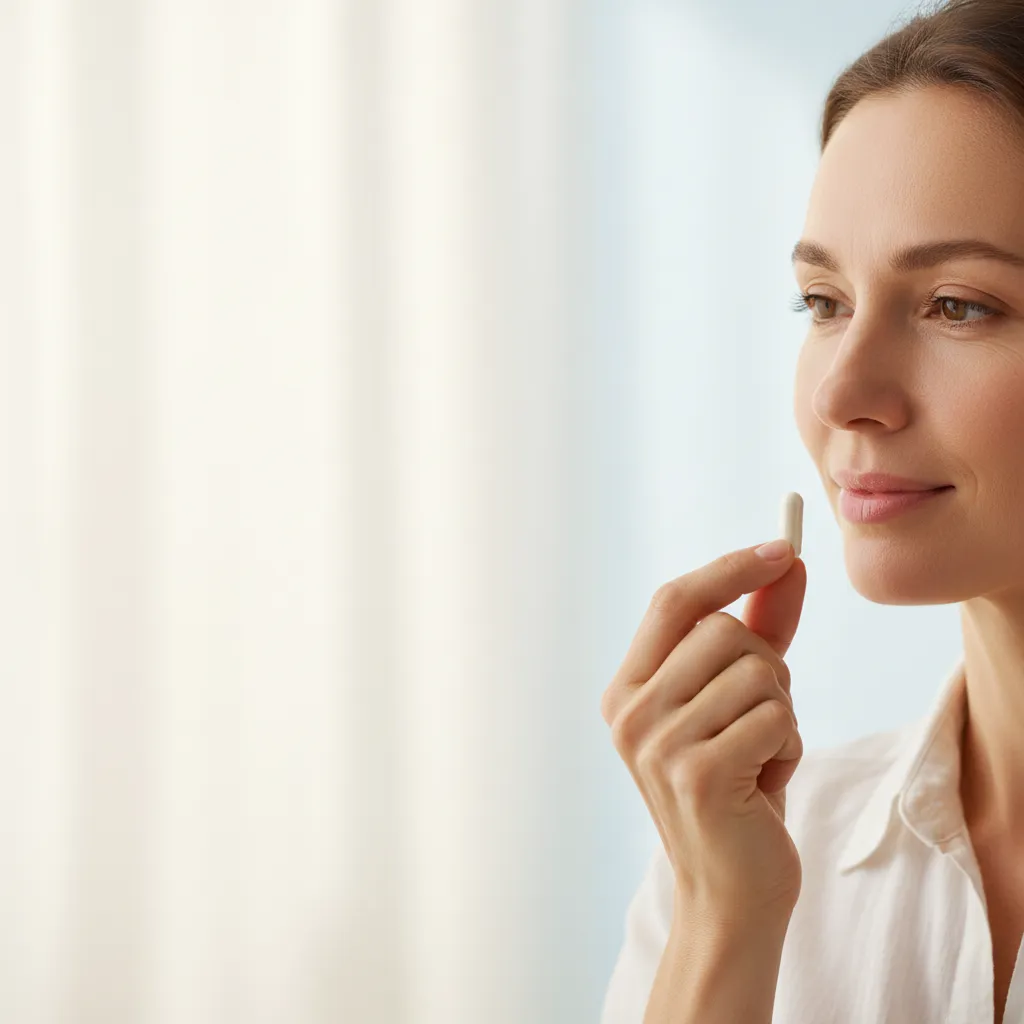
Take biotin exactly as directed on the product label or as prescribed by your healthcare provider. Most biotin supplements come in capsule, tablet, or liquid form and can be taken with or without food.
You can take biotin at any time of day, but taking it with a meal may help reduce any potential stomach upset. Swallow tablets or capsules whole with a full glass of water to ensure proper absorption.
If you're taking liquid biotin, measure your dose carefully using the provided measuring device. Don't use household spoons as they may not give you the correct amount.
Store your biotin supplements in a cool, dry place away from direct sunlight and moisture. Keep them out of reach of children and pets for safety.
How Long Should I Take Biotin For?
The duration of biotin supplementation depends on why you're taking it and your individual health needs. If you're treating a confirmed biotin deficiency, your doctor will typically monitor your progress and may recommend continuing until your levels normalize.
For people taking biotin for hair, skin, or nail health, you might need to take it for several months to notice any potential benefits. Hair and nail growth are slow processes, so patience is important.
Some people with genetic conditions affecting biotin metabolism may need lifelong supplementation. Your healthcare provider will create a personalized plan based on your specific medical situation.
Regular follow-up appointments can help determine if you should continue taking biotin or if you can maintain healthy levels through diet alone.
What Are the Side Effects of Biotin?
Biotin is generally well-tolerated, and most people experience no side effects when taking recommended doses. Since it's a water-soluble vitamin, your body eliminates excess amounts through urine, reducing the risk of accumulation.

Here are the most common side effects you might experience, though they're relatively rare:
- Mild stomach upset or nausea
- Diarrhea with very high doses
- Skin rashes in sensitive individuals
- Trouble sleeping if taken in large amounts
These side effects are typically mild and often resolve on their own as your body adjusts to the supplement.
One important consideration is that biotin can interfere with certain laboratory tests, particularly those measuring thyroid hormones and cardiac markers. High biotin levels can cause falsely elevated or decreased test results, potentially leading to misdiagnosis.
If you're scheduled for blood tests, inform your healthcare provider that you're taking biotin supplements. They may recommend stopping biotin for a few days before testing to ensure accurate results.
Who Should Not Take Biotin?
While biotin is safe for most people, certain individuals should exercise caution or avoid biotin supplements altogether. People with known allergies to biotin or any ingredients in the supplement should not take it.
If you have kidney problems, discuss biotin supplementation with your doctor first. Although rare, people with severe kidney disease may have difficulty eliminating excess biotin from their bodies.
Pregnant and breastfeeding women should consult their healthcare provider before taking biotin supplements, even though biotin is generally considered safe during these times. Your doctor can help determine the appropriate dose for your needs.
People taking certain medications should be aware of potential interactions. Biotin may affect how some seizure medications work, so coordination with your healthcare provider is essential.
Biotin Brand Names
Biotin is available under many brand names and as generic supplements. Some common brand names include Nature's Bounty Biotin, Natrol Biotin, and Spring Valley Biotin, among others.
You'll also find biotin in multivitamin complexes and B-complex supplements. These combination products can be convenient if you need multiple vitamins, but make sure to check the biotin content to ensure you're getting the amount you need.
When choosing a biotin supplement, look for products from reputable manufacturers that undergo third-party testing for purity and potency. This helps ensure you're getting a quality product that contains what the label claims.
Biotin Alternatives
If you're looking to increase your biotin intake naturally, several foods are excellent sources of this vitamin. Egg yolks, liver, nuts, seeds, and certain vegetables like sweet potatoes and spinach contain significant amounts of biotin.
Other B vitamins work together with biotin to support metabolism and overall health. If you have multiple B vitamin deficiencies, your doctor might recommend a B-complex supplement instead of individual biotin supplements.
For hair, skin, and nail health, other nutrients like vitamin E, vitamin C, zinc, and omega-3 fatty acids may also be beneficial. A balanced diet rich in these nutrients can support overall health and appearance.
Is Biotin Better Than Other B Vitamins?
Biotin isn't necessarily "better" than other B vitamins because each B vitamin has unique and important functions in your body. They work together as a team to support energy metabolism, nervous system function, and cell health.
While biotin specifically supports hair, skin, and nail health, other B vitamins like B12 support nerve function and red blood cell formation, and folate is crucial for DNA synthesis and cell division.
Rather than focusing on one B vitamin, maintaining adequate levels of all B vitamins through a balanced diet or appropriate supplementation typically provides the best health benefits. Your healthcare provider can help determine which vitamins you might need based on your individual situation.
Frequently asked questions about Biotin (oral route)
Q1. Is Biotin Safe for Diabetes?
Q1. Is Biotin Safe for Diabetes?
Biotin is generally safe for people with diabetes and may even offer some benefits. Some research suggests that biotin might help improve glucose metabolism and insulin sensitivity, though more studies are needed to confirm these effects.
However, if you have diabetes and take biotin supplements, monitor your blood sugar levels closely and inform your healthcare provider. Biotin might potentially affect blood glucose levels, and your diabetes medications may need adjustment.
Q2. What Should I Do If I Accidentally Take Too Much Biotin?
Q2. What Should I Do If I Accidentally Take Too Much Biotin?
If you accidentally take more biotin than recommended, don't panic. Biotin is water-soluble, so excess amounts are typically eliminated through urine without causing serious harm.
You might experience mild stomach upset, nausea, or diarrhea if you take very large amounts. Drink plenty of water and contact your healthcare provider if you experience persistent or concerning symptoms.
Q3. What Should I Do If I Miss a Dose of Biotin?
Q3. What Should I Do If I Miss a Dose of Biotin?
If you miss a dose of biotin, take it as soon as you remember, unless it's almost time for your next scheduled dose. In that case, skip the missed dose and continue with your regular schedule.
Don't take a double dose to make up for the missed one. Since biotin doesn't accumulate significantly in your body, missing an occasional dose isn't likely to cause problems.
Q4. When Can I Stop Taking Biotin?
Q4. When Can I Stop Taking Biotin?
You can stop taking biotin supplements when your healthcare provider determines that your biotin levels are adequate or when you no longer need supplementation for your specific health condition.
If you're taking biotin for cosmetic reasons and haven't noticed benefits after several months, you might consider discontinuing it. However, discuss this decision with your healthcare provider, especially if you started taking biotin for a medical reason.
Q5. Can Biotin Cause Weight Gain?
Q5. Can Biotin Cause Weight Gain?
Biotin itself doesn't cause weight gain. In fact, as a vitamin involved in metabolism, it helps your body process nutrients efficiently, which supports healthy weight management.
If you notice weight changes while taking biotin, it's likely due to other factors like diet, exercise, or underlying health conditions rather than the biotin supplement itself.
Health Companion
trusted by
6Mpeople
Get clear medical guidance
on symptoms, medications, and lab reports.

download august