
Health Library
What is Choline C-11 Intravenous: Uses, Dosage, Side Effects and More
October 10, 2025
Question on this topic? Get an instant answer from August.
Choline C-11 is a specialized radioactive imaging agent used in PET scans to help doctors detect prostate cancer that has returned after treatment. This medication contains a small amount of radioactive carbon-11 attached to choline, which cancer cells readily absorb.
If your doctor has recommended this scan, you're likely wondering what to expect and whether it's safe. The good news is that Choline C-11 has been carefully studied and provides valuable information that can guide your treatment decisions with minimal risk.
What is Choline C-11?
Choline C-11 is a radioactive tracer that helps doctors see prostate cancer cells during a PET scan. The medication combines choline, a natural substance your body needs, with carbon-11, a radioactive element that emits signals detectable by special cameras.
Cancer cells have a particular hunger for choline because they use it to build their cell membranes as they grow and multiply. When you receive Choline C-11 through an IV, it travels through your bloodstream and accumulates in areas where cancer cells are active.
The radioactive carbon-11 has a very short half-life of about 20 minutes, which means it breaks down quickly and leaves your body within a few hours. This makes it safer than longer-lasting radioactive substances.
What is Choline C-11 Used For?
Choline C-11 is specifically used to detect recurrent prostate cancer in men who have already been treated for the disease. Your doctor might recommend this scan if your PSA levels are rising again after surgery, radiation, or other treatments.
This imaging test helps doctors determine whether cancer has returned to the prostate area, spread to nearby lymph nodes, or moved to other parts of your body like bones. Having this information is crucial for planning your next treatment steps.
The scan is particularly helpful when other imaging tests like CT scans or MRIs haven't provided clear answers about where the cancer might be located. It can detect cancer recurrence earlier than many other imaging methods.
How Does Choline C-11 Work?
Choline C-11 works by taking advantage of cancer cells' increased need for choline compared to healthy cells. When injected into your bloodstream, the radioactive choline travels throughout your body and is absorbed more readily by rapidly dividing cancer cells.
The radioactive carbon-11 emits positrons, which are detected by the PET scanner to create detailed images of where the tracer has accumulated. Areas with higher concentrations of Choline C-11 appear brighter on the scan, indicating possible cancer activity.
This is considered a moderately sensitive imaging agent, meaning it can detect cancer in many cases but may not catch every small tumor. The effectiveness depends on factors like the size and location of cancer cells and your individual body chemistry.
How Should I Take Choline C-11?
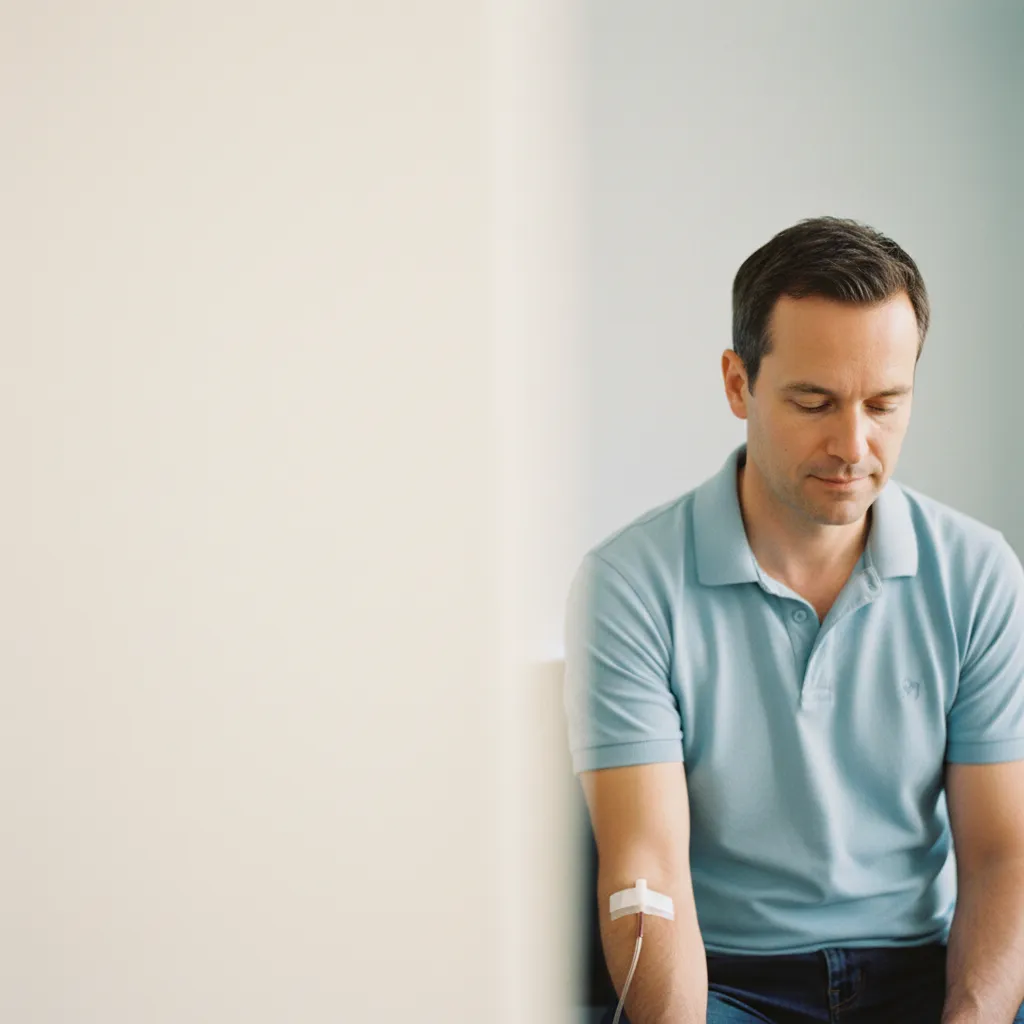
You don't actually "take" Choline C-11 in the traditional sense. Instead, a healthcare professional will give it to you through an intravenous line in your arm about 60 minutes before your PET scan begins.
You'll need to fast for at least 4 hours before the procedure, which means no food or drinks except water. This fasting helps ensure the best possible image quality by reducing background activity in your digestive system.
During the waiting period after injection, you'll be asked to rest quietly and avoid talking or moving around much. Physical activity can cause the tracer to accumulate in your muscles rather than areas of concern, which could interfere with the scan results.
How Long Should I Take Choline C-11 For?
Choline C-11 is given only once per scan session, not as an ongoing treatment. You'll receive a single injection, and the entire procedure including the scan typically takes about 2-3 hours from start to finish.
The radioactive carbon-11 naturally decays very quickly, with most of it gone from your body within 2-3 hours after injection. You won't need to take any additional medications or follow special procedures to remove it from your system.
If your doctor needs to repeat the scan in the future to monitor your condition, you would receive another single injection at that time. The timing between scans depends on your individual medical situation and treatment plan.
What Are the Side Effects of Choline C-11?

Most people experience no side effects from Choline C-11 injection. The amount of radioactive material is very small, and serious reactions are extremely rare in medical literature.
When side effects do occur, they're typically mild and might include:
- Slight discomfort at the injection site
- Temporary metallic taste in your mouth
- Mild nausea, which usually passes quickly
- Feeling slightly warm or flushed immediately after injection
These minor reactions usually resolve within minutes to hours without any treatment needed.
While extremely uncommon, some rare but more serious possibilities could include allergic reactions with symptoms like difficulty breathing, swelling, or severe rash. If you experience any of these symptoms, medical staff will provide immediate treatment.
Who Should Not Take Choline C-11?
Very few people cannot safely receive Choline C-11, but there are some important considerations your medical team will review with you before the procedure.
You should inform your doctor if you have severe kidney disease, as this might affect how quickly the tracer leaves your body. People with uncontrolled diabetes may also need special preparation to ensure accurate scan results.
If you're claustrophobic or have difficulty lying still for extended periods, let your healthcare team know. While this doesn't prevent you from having the scan, they can provide medication or other support to help you feel more comfortable during the procedure.
Pregnant women should not receive Choline C-11 due to potential risks to the developing baby. If you're breastfeeding, your doctor will discuss whether you need to temporarily stop nursing after the scan.
Choline C-11 Brand Names
Choline C-11 is primarily known by its generic name, though it may be referred to by different technical names at various imaging centers. Some facilities might use names like "C-11 Choline" or "Carbon-11 Choline" when discussing your scan.
Unlike many medications, Choline C-11 doesn't have widely recognized brand names because it's produced at specialized facilities called cyclotrons, often located at major medical centers. Each facility typically produces it fresh for same-day use due to its short half-life.
Your healthcare team will use whatever name is most familiar to them, but they're all referring to the same radioactive tracer used for prostate cancer imaging.
Choline C-11 Alternatives
Several other PET scan tracers can be used to detect prostate cancer, each with its own strengths and limitations. Your doctor might choose a different option based on your specific situation and what's available at your imaging center.
F-18 Fluciclovine (Axumin) is another FDA-approved tracer for recurrent prostate cancer that has a longer half-life than Choline C-11. This makes it more widely available since it doesn't require on-site production.
PSMA-targeted tracers like Ga-68 PSMA-11 or F-18 DCFPyL are newer options that target a specific protein found on most prostate cancer cells. These may be more sensitive than Choline C-11 for detecting small areas of recurrent cancer.
Your doctor will consider factors like your PSA levels, previous treatments, and local availability when choosing the best tracer for your situation.
Is Choline C-11 Better Than Other Prostate Cancer Imaging?
Choline C-11 offers advantages over conventional imaging like CT scans or bone scans, particularly for detecting cancer recurrence when PSA levels are rising but other tests appear normal. It can identify cancer activity earlier and more precisely than traditional methods.
Compared to newer PSMA-targeted tracers, Choline C-11 has similar overall effectiveness but may be less sensitive for very small tumors or certain locations. However, it has a longer track record of use and extensive research supporting its accuracy.
The "best" imaging approach depends on your individual circumstances, including how your cancer behaves, your treatment history, and what imaging options are available in your area. Your oncologist will help you understand which option makes the most sense for your specific situation.
Frequently asked questions about Choline c 11 (intravenous route)
Is Choline C-11 Safe for People with Heart Disease?
Is Choline C-11 Safe for People with Heart Disease?
Yes, Choline C-11 is generally safe for people with heart conditions. The radioactive tracer doesn't affect your heart function or interact with cardiac medications in any significant way.
However, you should still inform your medical team about any heart problems, especially if you take medications or have devices like pacemakers. This information helps them provide the best care during your scan, though it rarely prevents the procedure.
What Should I Do if I Accidentally Receive Too Much Choline C-11?
What Should I Do if I Accidentally Receive Too Much Choline C-11?
Accidental overdose of Choline C-11 is extremely unlikely because the dose is carefully calculated and prepared by trained professionals. The imaging center has strict protocols to ensure you receive exactly the right amount.
If somehow too much were given, the main concern would be unnecessary radiation exposure rather than immediate toxic effects. The medical team would monitor you closely and may recommend drinking extra fluids to help flush the tracer from your system more quickly.
What Should I Do if I Miss My Scheduled Choline C-11 Scan?
What Should I Do if I Miss My Scheduled Choline C-11 Scan?
If you miss your scheduled scan appointment, you'll need to reschedule for another day. Unlike daily medications, you can't simply make up a missed dose because Choline C-11 is produced fresh for each scan session.
Contact your imaging center as soon as possible to reschedule. They may be able to accommodate you within a few days, depending on their schedule and your medical needs. Don't worry about any medical consequences from the delay, as this won't affect your health or treatment options.
When Can I Resume Normal Activities After Choline C-11?
When Can I Resume Normal Activities After Choline C-11?
You can return to your normal activities immediately after your scan is complete. The small amount of radioactivity clears from your body within a few hours, and there are no lasting effects that would limit your daily routine.
For the first few hours after injection, you might want to limit close contact with pregnant women and young children as a precaution, though the risk is very minimal. Your healthcare team will provide specific guidance based on your home situation.
Will Insurance Cover My Choline C-11 PET Scan?
Will Insurance Cover My Choline C-11 PET Scan?
Insurance coverage for Choline C-11 PET scans varies by provider and specific policy. Many insurance plans do cover this scan when it's medically necessary for detecting recurrent prostate cancer, especially when other imaging hasn't provided clear answers.
Your doctor's office can help verify your coverage and obtain any necessary pre-authorization. If coverage is denied, there may be appeal processes available, and some imaging centers offer payment plans or financial assistance programs to help with costs.
Health Companion
trusted by
6Mpeople
Get clear medical guidance
on symptoms, medications, and lab reports.

download august