
Health Library
What is Crotalidae Immune F(ab')2 (Equine): Uses, Dosage, Side Effects and More
October 10, 2025
Question on this topic? Get an instant answer from August.
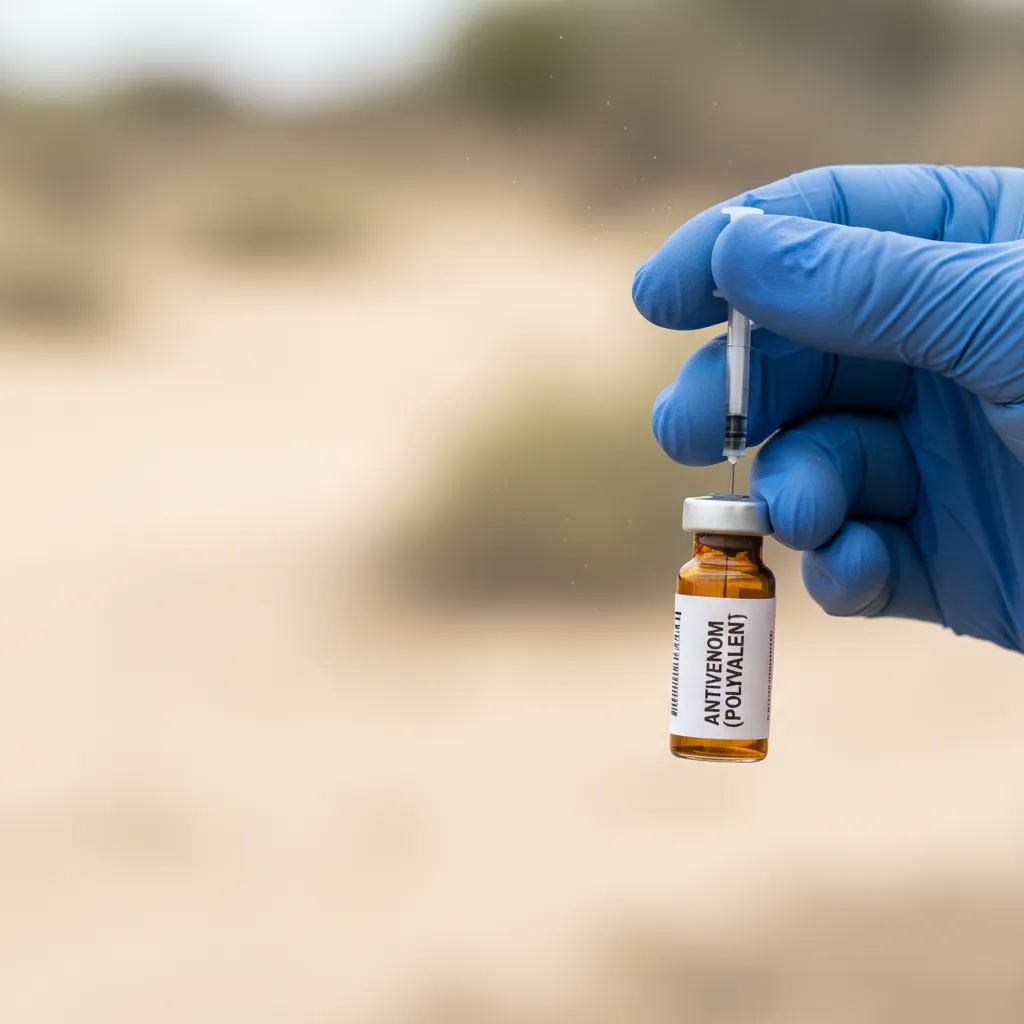
Crotalidae Immune F(ab')2 (Equine) is a specialized antivenom used to treat bites from venomous snakes in North America. This life-saving medication works by neutralizing the dangerous toxins that pit vipers like rattlesnakes, copperheads, and cottonmouths inject when they bite. If you or someone you know has been bitten by a venomous snake, this antivenom can be the difference between recovery and serious complications.
What is Crotalidae Immune F(ab')2 (Equine)?
Crotalidae Immune F(ab')2 is an antivenom made from antibodies taken from horses that have been safely exposed to snake venoms. The horses develop immunity over time, and scientists extract and purify these protective antibodies to create the medicine. Think of it as borrowing the horse's immune system to help fight off snake venom in your body.
This antivenom specifically targets the Crotalidae family of snakes, which includes all the venomous pit vipers found in North America. The "F(ab')2" part refers to the specific type of antibody fragments used, which are designed to work quickly and effectively while reducing the risk of allergic reactions.
What is Crotalidae Immune F(ab')2 used for?
This antivenom treats envenomation from North American pit viper bites. Envenomation means that venom has actually entered your body and is causing harmful effects, not just that you were bitten by a snake.
The main snakes this antivenom works against include rattlesnakes, copperheads, cottonmouths (water moccasins), and other pit vipers. These snakes inject venom that can cause severe tissue damage, blood clotting problems, and potentially life-threatening complications if left untreated.
Doctors use this antivenom when someone shows signs of significant envenomation, such as severe swelling, bleeding problems, or systemic symptoms like difficulty breathing or changes in heart rate. Not every snake bite requires antivenom treatment, but when it's needed, it's truly critical.
How does Crotalidae Immune F(ab')2 work?
This antivenom works by directly binding to and neutralizing the toxic components in snake venom. When the antibodies in the medicine encounter venom toxins in your bloodstream, they attach to them like a key fitting into a lock, making the toxins harmless.
The process happens relatively quickly once the antivenom enters your system through an IV. The antibodies circulate through your blood, seeking out venom components and neutralizing them before they can cause more damage to your tissues, blood vessels, or organs.
This is considered a moderate to strong intervention in emergency medicine. While it's not the most aggressive treatment available, it's powerful enough to counteract life-threatening venom effects and is reserved for serious envenomation cases where the benefits clearly outweigh the risks.
How should I take Crotalidae Immune F(ab')2?
You cannot take this medication yourself - it must be given by trained medical professionals in a hospital or emergency setting. The antivenom is administered through an intravenous (IV) line directly into your bloodstream.
Before receiving the antivenom, medical staff will assess your condition and may give you medications to prevent allergic reactions. The infusion typically starts slowly to monitor for any immediate reactions, then the rate may be increased if you tolerate it well.
There are no dietary restrictions specific to this medication, but you'll likely be in an emergency medical setting where eating and drinking may be limited anyway. The medical team will manage all aspects of your care, including when and what you can consume during treatment.
How long should I take Crotalidae Immune F(ab')2 for?
The duration of treatment depends entirely on how severe your envenomation is and how you respond to the initial doses. Most people receive the antivenom over several hours during their initial treatment.
Some patients may need additional doses if symptoms worsen or don't improve adequately after the first treatment. Your medical team will continuously monitor your condition - including blood tests, vital signs, and symptoms - to determine if more antivenom is needed.
Recovery from snake envenomation can take days to weeks, but the active antivenom treatment typically occurs within the first 24-48 hours after the bite. Your doctors will make all decisions about treatment duration based on your specific situation.
What are the side effects of Crotalidae Immune F(ab')2?

Like all medications, this antivenom can cause side effects, though serious reactions are relatively uncommon. Since it's made from horse antibodies, your immune system might react to these foreign proteins.
Understanding the possible reactions can help you feel more prepared, though remember that medical professionals will be monitoring you closely throughout treatment:
- Mild reactions like skin rash, itching, or hives at the injection site
- Nausea or mild stomach upset
- Headache or mild fever
- Muscle aches or general discomfort
More serious but less common reactions can include difficulty breathing, severe swelling, chest tightness, or significant drops in blood pressure. These are the types of reactions your medical team is specifically watching for and can treat immediately if they occur.
Some people may experience delayed reactions days or weeks after treatment, including joint pain, fever, or swollen lymph nodes. These symptoms, while uncomfortable, are generally manageable and resolve with appropriate care.
Who should not take Crotalidae Immune F(ab')2?
There are very few absolute reasons to avoid this antivenom when it's truly needed, because snake envenomation can be life-threatening. However, certain people may need extra precautions or special monitoring during treatment.
People with severe allergies to horses or horse products face higher risks of allergic reactions. If you have a known horse allergy, your medical team will take extra precautions, such as pre-treating you with antihistamines and steroids, and monitoring you more closely.
Those with severe asthma or other respiratory conditions may need careful monitoring, as some allergic reactions can affect breathing. However, this doesn't mean you can't receive the antivenom - it just means your medical team will be extra vigilant about your respiratory status.
Pregnant women can receive this antivenom when needed, as the risks of untreated snake envenomation typically outweigh the potential risks to both mother and baby. Your doctors will weigh these factors carefully in your specific situation.
Crotalidae Immune F(ab')2 brand names
The most commonly used brand of this antivenom in the United States is CroFab (Crotalidae Polyvalent Immune Fab). There's also a newer version called ANAVIP (Crotalidae Immune F(ab')2 Equine), which is specifically the type we've been discussing.
Both medications serve the same purpose - treating pit viper envenomation - but they have slightly different formulations and dosing schedules. Your medical team will choose the most appropriate option based on availability, your specific situation, and hospital protocols.
Crotalidae Immune F(ab')2 alternatives
In North America, there are limited alternatives to this specific antivenom for treating pit viper bites. The main alternative is CroFab, which uses a different type of antibody fragment (Fab instead of F(ab')2) but serves the same essential purpose.
Some hospitals may have access to different antivenoms depending on their location and the types of snakes common in their area. However, for North American pit viper bites, the Crotalidae antivenoms are the standard and most effective treatment.
Outside of antivenom, supportive care measures like pain management, wound care, and monitoring for complications are important parts of treatment, but they cannot replace the need for antivenom in serious envenomation cases.
Is Crotalidae Immune F(ab')2 better than CroFab?
Both antivenoms are highly effective for treating pit viper envenomation, but they have some differences that might make one more suitable than the other in certain situations.
ANAVIP (F(ab')2) may require fewer doses because it stays in your system longer than CroFab. This can mean fewer trips back to the hospital for additional treatments, which some patients find more convenient during their recovery.
CroFab has been used longer and has more extensive clinical experience behind it, which some doctors prefer. However, both have excellent safety and effectiveness records. Your medical team will choose based on what's available, your specific condition, and their clinical experience.
The most important thing is receiving appropriate antivenom treatment quickly when it's needed, regardless of which specific brand is used. Both medications can be life-saving when administered properly.
Frequently asked questions about Crotalidae immune f(ab)2 (equine) (intravenous route)
Q1. Is Crotalidae Immune F(ab')2 safe for people with heart disease?
Q1. Is Crotalidae Immune F(ab')2 safe for people with heart disease?
Yes, this antivenom can be safely given to people with heart conditions when snake envenomation treatment is necessary. Your medical team will monitor your heart rate and blood pressure more closely during treatment.
The risks of untreated snake envenomation - including effects on your cardiovascular system from the venom itself - typically outweigh the risks of antivenom treatment. Your doctors will adjust monitoring and supportive care based on your specific heart condition.
Q2. What should I do if I accidentally receive too much Crotalidae Immune F(ab')2?
Q2. What should I do if I accidentally receive too much Crotalidae Immune F(ab')2?
You cannot accidentally receive too much of this medication because it's only given by trained medical professionals in controlled hospital settings. The dosing is carefully calculated based on your weight, symptoms, and response to treatment.
If you're concerned about your treatment or experiencing unusual symptoms, speak with your medical team immediately. They can assess whether your symptoms are related to the antivenom, the snake bite itself, or other factors.
Q3. What should I do if I miss a dose of Crotalidae Immune F(ab')2?
Q3. What should I do if I miss a dose of Crotalidae Immune F(ab')2?
This question doesn't apply to antivenom treatment because you're not responsible for taking doses yourself. Your medical team manages all aspects of dosing and timing based on your condition and response to treatment.
If you're concerned about your treatment plan or have questions about follow-up care, discuss these directly with your healthcare providers. They can explain what to expect and when additional treatment might be needed.
Q4. When can I stop taking Crotalidae Immune F(ab')2?
Q4. When can I stop taking Crotalidae Immune F(ab')2?
Your doctors will determine when antivenom treatment is complete based on your symptoms, blood tests, and overall recovery progress. Most people don't need ongoing antivenom therapy once the initial treatment successfully counteracts the venom.
However, recovery from snake envenomation can take weeks, and you may need other supportive treatments during this time. Your medical team will guide you through the entire recovery process and let you know what to expect.
Q5. Can I drive after receiving Crotalidae Immune F(ab')2?
Q5. Can I drive after receiving Crotalidae Immune F(ab')2?
You should not drive immediately after receiving antivenom treatment. The snake bite itself, the antivenom, and any other medications you've received can all affect your ability to drive safely.
Your medical team will advise you when it's safe to resume normal activities like driving. This decision depends on your recovery progress, any ongoing symptoms, and medications you're taking for pain or other effects of the envenomation.
Health Companion
trusted by
6Mpeople
Get clear medical guidance
on symptoms, medications, and lab reports.

download august