
Health Library
What is Human Papillomavirus (HPV) Vaccine: Uses, Dosage, Side Effects and More
October 10, 2025
Question on this topic? Get an instant answer from August.
The human papillomavirus (HPV) vaccine is a preventive shot that protects against certain types of HPV infections that can lead to cancer and genital warts. This vaccine is one of the most important tools we have for preventing several types of cancer, including cervical, anal, and throat cancers. The vaccine works by training your immune system to recognize and fight HPV before it can cause harm to your body.
What is the Human Papillomavirus (HPV) Vaccine?
The HPV vaccine is a protective immunization that helps prevent infection from high-risk types of human papillomavirus. HPV is a very common virus that spreads through intimate skin-to-skin contact, and most sexually active people will encounter it at some point in their lives.
There are over 100 types of HPV, but the vaccine specifically targets the most dangerous ones. The current vaccines protect against HPV types 16 and 18, which cause about 70% of cervical cancers, as well as types 6 and 11, which cause about 90% of genital warts. Some newer versions protect against even more high-risk types.
Think of the vaccine as giving your immune system a preview of what HPV looks like, so it can quickly recognize and eliminate the virus if you're ever exposed. This prevention happens before any infection can take hold and potentially cause cellular changes that might lead to cancer years later.
What is the HPV Vaccine Used For?
The HPV vaccine primarily prevents several types of cancer and genital warts caused by human papillomavirus infection. The main goal is to stop these serious health problems before they can even start developing in your body.
Here are the key conditions the HPV vaccine helps prevent, and understanding these can help you see why this vaccine is so valuable for long-term health:
- Cervical cancer - the most common HPV-related cancer in women
- Anal cancer - affects both men and women
- Vaginal and vulvar cancers in women
- Penile cancer in men
- Head and neck cancers, including throat and mouth cancers
- Genital warts - painful, uncomfortable growths on intimate areas
- Precancerous lesions - abnormal cell changes that could become cancer
The vaccine is most effective when given before any exposure to HPV, which is why it's recommended for preteens and teens. However, adults can still benefit from vaccination even if they've been sexually active, as they may not have been exposed to all the virus types the vaccine protects against.
How Does the HPV Vaccine Work?
The HPV vaccine works by creating a strong immune response against specific types of human papillomavirus without causing actual infection. This is considered a highly effective vaccine that provides long-lasting protection when given as recommended.
The vaccine contains virus-like particles that look exactly like real HPV to your immune system, but they can't cause infection or disease. When your immune system encounters these particles, it creates antibodies and activates immune cells that will remember how to fight HPV for many years.
This immune memory means that if you're ever exposed to the actual HPV virus, your body can quickly recognize it and eliminate it before it has a chance to infect your cells. The protection appears to be very durable, with studies showing strong immunity lasting at least 10-15 years, and likely much longer.
The vaccine is particularly powerful because it prevents infection rather than treating existing disease. Once HPV establishes an infection and causes cellular changes, it becomes much more difficult to address, which is why prevention through vaccination is so important.
How Should I Take the HPV Vaccine?
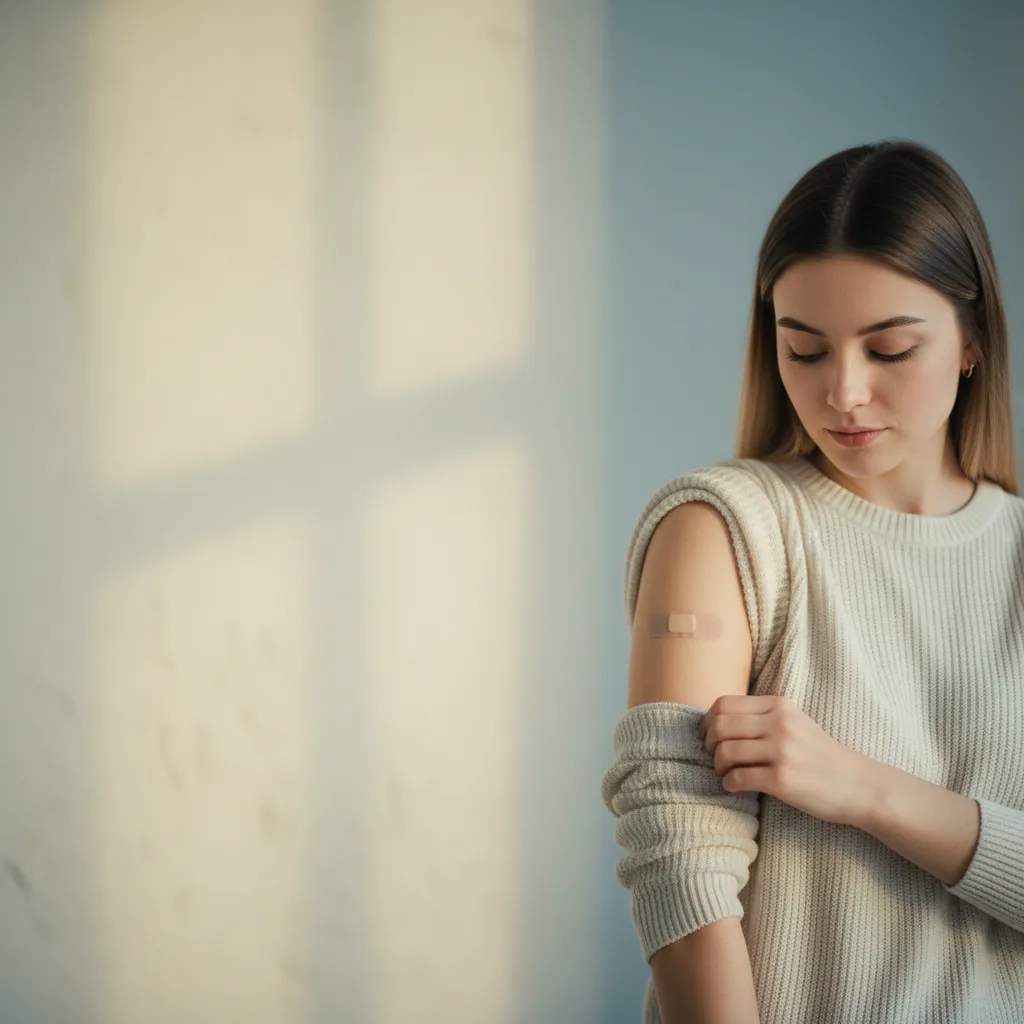
The HPV vaccine is given as an injection into the muscle of your upper arm by a healthcare provider. You don't need to prepare in any special way before getting the vaccine - you can eat normally and don't need to take it with food or water like oral medications.
The number of doses depends on your age when you start the vaccine series. If you're between 9 and 14 years old, you'll typically need two doses given 6-12 months apart. If you're 15 or older, you'll need three doses - the second dose 1-2 months after the first, and the third dose 6 months after the first.
You can receive the HPV vaccine at the same time as other routine vaccines, and this won't reduce its effectiveness. Your healthcare provider will keep track of your vaccination schedule and remind you when it's time for your next dose.
After receiving the vaccine, you might want to stay at the healthcare facility for about 15 minutes to make sure you don't have any immediate reactions. This is a standard precaution with any vaccine and helps ensure your safety.
How Long Should I Take the HPV Vaccine For?
The HPV vaccine is given as a series of shots over several months, not as an ongoing medication you take daily. Once you complete the full series, you're considered fully vaccinated and don't need regular booster shots.
For younger adolescents (ages 9-14), the series consists of two doses spread 6-12 months apart. For teens and adults (ages 15 and older), three doses are needed over a 6-month period. It's important to complete the entire series to ensure you get the maximum protection.
Current research shows that the vaccine provides long-lasting immunity, potentially for decades or even a lifetime. Studies have followed vaccinated individuals for over 15 years and continue to see strong protection against HPV infection.
If you miss a dose or fall behind schedule, you don't need to restart the series. Your healthcare provider can help you catch up and complete the vaccination schedule, ensuring you get full protection even if the timing isn't perfect.
What Are the Side Effects of the HPV Vaccine?

The HPV vaccine is generally very safe, with most people experiencing only mild side effects that resolve on their own within a few days. The most common reactions happen at the injection site and are similar to what you might experience with other vaccines.
These common side effects are actually good signs that your immune system is responding to the vaccine and building protection:
- Pain, redness, or swelling at the injection site
- Mild fever or feeling slightly unwell
- Headache or fatigue
- Muscle or joint aches
- Nausea or dizziness
These reactions typically last 1-2 days and can be managed with over-the-counter pain relievers and rest. Applying a cool compress to the injection site can also help reduce discomfort.
Serious side effects are very rare but can include severe allergic reactions, persistent shoulder pain, or fainting (especially in teens). Healthcare providers are trained to recognize and treat these uncommon reactions quickly and effectively.
Some people worry about more serious long-term effects, but extensive research involving millions of vaccine recipients has consistently shown the HPV vaccine to be very safe. The benefits of cancer prevention far outweigh the small risk of side effects.
Who Should Not Take the HPV Vaccine?
Most people can safely receive the HPV vaccine, but there are some specific situations where vaccination should be delayed or avoided altogether. Your healthcare provider will review your medical history to make sure the vaccine is appropriate for you.
You should not receive the HPV vaccine if you have certain medical conditions or circumstances that could make vaccination risky:
- Severe allergy to any vaccine component or previous HPV vaccine dose
- Moderate to severe illness with fever (wait until you recover)
- Pregnancy (though if you accidentally receive it while pregnant, it's not harmful)
- Severely compromised immune system (discuss timing with your doctor)
Having a minor illness like a cold doesn't prevent you from getting vaccinated. Similarly, being sexually active, having an abnormal Pap test, or even having a current HPV infection doesn't disqualify you from vaccination, as you may still benefit from protection against other HPV types.
If you have concerns about whether the vaccine is right for you, discussing your individual situation with a healthcare provider can help you make an informed decision based on your specific health needs and risk factors.
HPV Vaccine Brand Names
There are currently three HPV vaccines available, each offering slightly different protection against various HPV types. All three are highly effective and safe, and your healthcare provider will recommend the most appropriate one based on availability and your age.
Gardasil 9 is the most commonly used HPV vaccine in many countries because it provides the broadest protection. It guards against nine HPV types, including the most dangerous cancer-causing types and those that cause genital warts.
Cervarix protects against HPV types 16 and 18, which cause the majority of cervical cancers. Gardasil (the original version) protects against four HPV types, including both cancer-causing types and those that cause genital warts.
Your healthcare provider will use whichever vaccine is available and appropriate for your age group. All three vaccines are highly effective at preventing the HPV types they target, so you can feel confident in the protection any of them provides.
HPV Vaccine Alternatives
Currently, there are no alternative medications or treatments that can prevent HPV infection as effectively as vaccination. The HPV vaccine represents the most reliable way to protect yourself against the virus types that cause the most serious health problems.
Safe sex practices, including consistent condom use, can reduce the risk of HPV transmission but don't provide complete protection since HPV can spread through skin-to-skin contact in areas not covered by condoms. Regular screening, like Pap tests for cervical cancer, can detect HPV-related changes early but doesn't prevent infection.
Some people explore natural immune-boosting approaches, but these haven't been proven to prevent HPV infection or its complications. While maintaining good overall health supports your immune system, it's not a substitute for the specific protection vaccines provide.
The combination of vaccination, safe sex practices, and regular screening offers the most comprehensive protection against HPV and its potential consequences. This layered approach gives you the best chance of staying healthy and preventing HPV-related cancers.
Is the HPV Vaccine Better Than Other Preventive Measures?
The HPV vaccine is considered the gold standard for preventing HPV infection and its related cancers, offering superior protection compared to other preventive measures alone. While other methods like safe sex practices and regular screening are important, vaccination provides the most robust and long-lasting protection.
Vaccination prevents infection from occurring in the first place, which is more effective than trying to detect and treat problems after they develop. Once you're vaccinated, you have strong immunity that works 24/7 without requiring you to remember to do anything or rely on partner cooperation.
Regular screening like Pap tests is crucial and complements vaccination beautifully, but screening detects problems after they've already started developing. The vaccine prevents those problems from occurring at all, which is why health experts strongly recommend vaccination as the primary prevention strategy.
Safe sex practices remain important for overall sexual health and reducing transmission of all sexually transmitted infections, including HPV types not covered by the vaccine. The best approach combines vaccination with ongoing screening and safe sex practices for comprehensive protection.
Frequently asked questions about Human papillomavirus vaccine (intramuscular route)
Is the HPV Vaccine Safe for People with Autoimmune Diseases?
Is the HPV Vaccine Safe for People with Autoimmune Diseases?
People with autoimmune diseases can generally receive the HPV vaccine safely, though they should discuss timing and potential interactions with their healthcare provider. The vaccine doesn't contain live virus, so it won't cause HPV infection even in people with compromised immune systems.
However, people taking immunosuppressive medications might not develop as strong an immune response to the vaccine. Your doctor might recommend adjusting the timing of vaccination relative to your treatment schedule to maximize effectiveness while maintaining safety.
What Should I Do if I Accidentally Receive Too Many HPV Vaccine Doses?
What Should I Do if I Accidentally Receive Too Many HPV Vaccine Doses?
Receiving extra doses of the HPV vaccine is not dangerous and won't cause serious harm. The vaccine has been extensively tested for safety, and additional doses simply provide more immune stimulation without increasing the risk of significant side effects.
You might experience slightly more pronounced side effects like soreness at the injection site or mild flu-like symptoms, but these will resolve on their own within a few days. Contact your healthcare provider to let them know about the extra dose so they can update your records and provide appropriate guidance.
What Should I Do if I Miss a Dose of the HPV Vaccine?
What Should I Do if I Miss a Dose of the HPV Vaccine?
If you miss a scheduled dose of the HPV vaccine, contact your healthcare provider to reschedule as soon as possible. You don't need to restart the entire series - you can simply continue where you left off and complete the remaining doses.
The spacing between doses can be longer than originally planned without reducing the vaccine's effectiveness. Your immune system will still develop strong protection even if the schedule isn't perfectly timed, so don't worry about the gap affecting your immunity.
When Can I Stop Worrying About HPV After Getting Vaccinated?
When Can I Stop Worrying About HPV After Getting Vaccinated?
You can feel confident about protection against the HPV types covered by your vaccine within a few weeks after completing the full series. Your immune system needs time to build antibodies and develop memory cells that will recognize and fight HPV in the future.
However, it's important to remember that the vaccine doesn't protect against all HPV types, so continuing regular screening and safe sex practices remains important. The vaccine provides excellent protection against the most dangerous types, but comprehensive sexual health involves multiple preventive strategies working together.
Can I Get the HPV Vaccine if I'm Already Sexually Active?
Can I Get the HPV Vaccine if I'm Already Sexually Active?
Yes, you can still benefit from the HPV vaccine even if you're sexually active. While the vaccine is most effective when given before any exposure to HPV, many sexually active people haven't been exposed to all the virus types the vaccine protects against.
Even if you've been exposed to some HPV types, the vaccine can still protect you against other high-risk types you haven't encountered. Your healthcare provider can help you understand the potential benefits based on your individual situation and health history.
Health Companion
trusted by
6Mpeople
Get clear medical guidance
on symptoms, medications, and lab reports.

download august