
Health Library
What is Levobunolol: Uses, Dosage, Side Effects and More
October 10, 2025
Question on this topic? Get an instant answer from August.
Levobunolol is a prescription eye drop medication used primarily to treat glaucoma and high eye pressure. It belongs to a class of medications called beta-blockers, which work by reducing the amount of fluid your eye produces, helping to lower pressure inside your eye and protect your vision.
This medication has been helping people manage their eye conditions for decades. While it's generally well-tolerated, understanding how it works and what to expect can help you feel more confident about your treatment plan.
What is Levobunolol?
Levobunolol is a beta-blocker eye drop that specifically targets receptors in your eye to reduce pressure. Think of it as a gentle regulator that helps your eye maintain a healthier balance of fluid production and drainage.
Unlike some other glaucoma medications, levobunolol is considered a non-selective beta-blocker. This means it blocks both beta-1 and beta-2 receptors in your eye, making it quite effective at lowering eye pressure for many people.
The medication comes as a clear, colorless solution that you'll apply directly to your eye. It's designed to be absorbed quickly and start working within a few hours of application.
What is Levobunolol Used For?
Levobunolol is primarily prescribed to treat two main eye conditions: open-angle glaucoma and ocular hypertension (high eye pressure). Both conditions can potentially damage your optic nerve if left untreated.
In open-angle glaucoma, the drainage system in your eye becomes less efficient over time, causing pressure to build up gradually. Levobunolol helps by reducing the amount of fluid your eye produces, which takes pressure off your optic nerve and helps preserve your vision.
For ocular hypertension, your eye pressure is higher than normal but hasn't yet caused detectable damage to your optic nerve. Using levobunolol can help prevent this condition from progressing to glaucoma.
Sometimes doctors prescribe levobunolol for other eye conditions where reducing pressure is beneficial. Your eye care provider will determine if this medication is right for your specific situation.
How Does Levobunolol Work?
Levobunolol works by blocking beta receptors in the part of your eye that produces fluid called aqueous humor. When these receptors are blocked, your eye naturally produces less fluid, which helps reduce the pressure inside your eye.
This medication is considered moderately strong among glaucoma treatments. It's effective enough to significantly lower eye pressure in most people, but gentle enough to be used long-term without major complications for most patients.
The effects typically begin within 1-2 hours after you apply the drops, with maximum pressure reduction occurring around 2-6 hours later. The pressure-lowering effect can last up to 24 hours, which is why many people only need to use it once or twice daily.
How Should I Take Levobunolol?
You'll apply levobunolol directly to your eye as eye drops, typically once or twice daily as prescribed by your doctor. The exact timing depends on your specific condition and how well your eye pressure responds to treatment.
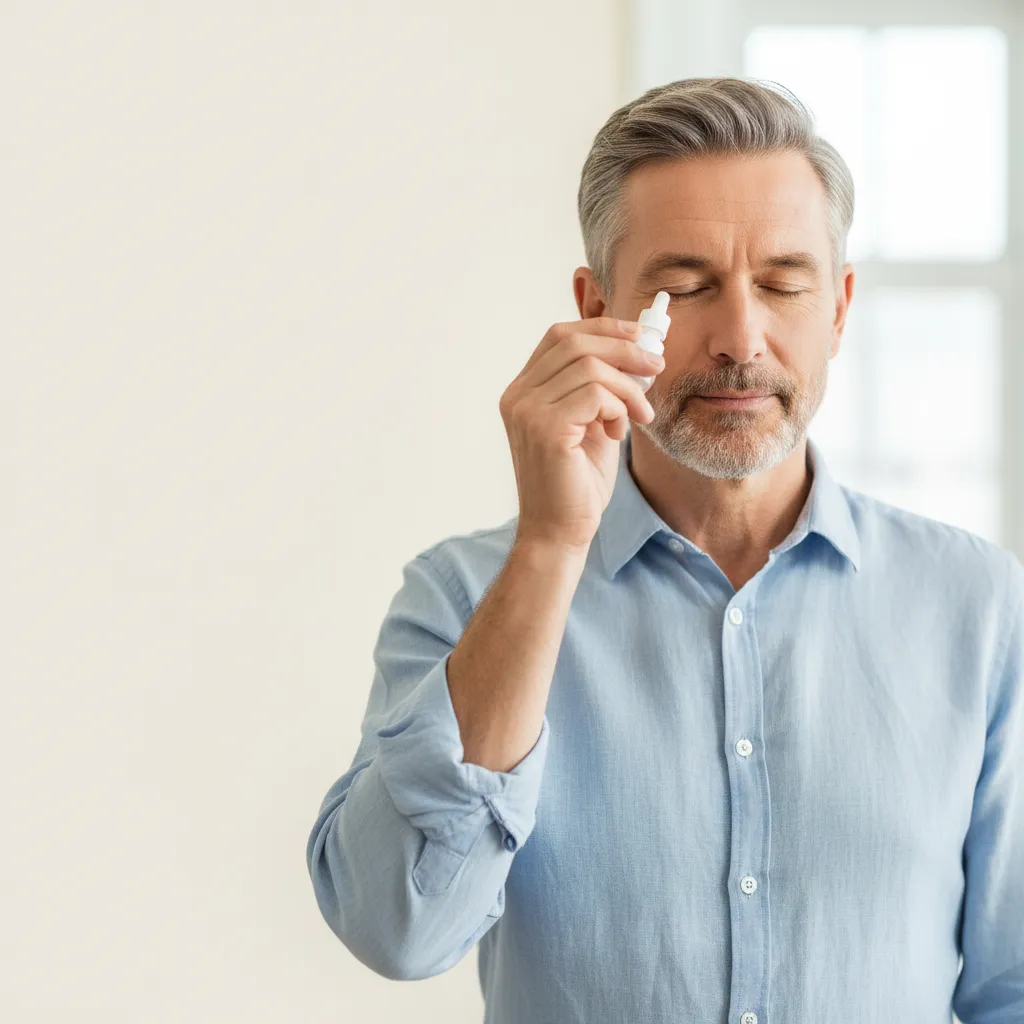
Here's how to use your eye drops properly:
- Wash your hands thoroughly before handling the bottle
- Tilt your head back and gently pull down your lower eyelid
- Squeeze one drop into the pocket formed by your lower eyelid
- Close your eye gently and press lightly on the inner corner near your nose for 1-2 minutes
- Avoid blinking excessively or rubbing your eye
You can take levobunolol with or without food since it's applied directly to your eye. However, if you're using other eye medications, wait at least 5-10 minutes between different eye drops to prevent them from washing each other out.
Try to use your drops at the same time each day to maintain consistent pressure control. Setting a phone reminder can help you remember, especially when you're first starting treatment.
How Long Should I Take Levobunolol For?
Most people need to use levobunolol long-term to maintain healthy eye pressure. Glaucoma and ocular hypertension are typically chronic conditions that require ongoing management rather than short-term treatment.
Your doctor will monitor your eye pressure regularly, usually every 3-6 months initially, then less frequently once your pressure is well-controlled. These check-ups help determine if levobunolol is working effectively for you and whether any adjustments are needed.
Some people may need to use levobunolol for years or even indefinitely. This might sound overwhelming, but remember that consistent use helps protect your vision from potentially irreversible damage.
Never stop using levobunolol suddenly without consulting your eye care provider, even if you feel fine. Your eye pressure could rise quickly, potentially putting your vision at risk.
What Are the Side Effects of Levobunolol?
Like all medications, levobunolol can cause side effects, though many people experience few or no problems. Most side effects are mild and manageable, especially when you know what to watch for.
Let's start with the most common side effects you might experience:
- Temporary stinging or burning when you first apply the drops
- Mild eye irritation or redness
- Blurred vision for a few minutes after application
- Feeling like something is in your eye
- Increased sensitivity to light

These local eye effects usually improve as your eyes adjust to the medication over the first few days or weeks of treatment.
Since levobunolol is a beta-blocker, some medication can be absorbed into your bloodstream and potentially cause systemic effects:
- Slight slowing of your heart rate
- Mild fatigue or feeling less energetic
- Occasional dizziness, especially when standing up quickly
- Subtle changes in your exercise tolerance
These systemic effects are generally mild with eye drops compared to oral beta-blockers, but they're still worth monitoring.
More serious side effects are rare but require immediate medical attention. Contact your doctor right away if you experience:
- Severe difficulty breathing or wheezing
- Chest pain or rapid heartbeat
- Severe eye pain or sudden vision changes
- Signs of allergic reaction like rash, swelling, or severe itching
Some people may experience rare but concerning effects like depression, confusion, or significant changes in blood sugar levels. While uncommon, these symptoms warrant a conversation with your healthcare provider.
Who Should Not Take Levobunolol?
Levobunolol isn't suitable for everyone, and your doctor will carefully review your medical history before prescribing it. Understanding these considerations can help you have informed discussions about your treatment options.
People with certain heart and lung conditions may need to avoid levobunolol or use it with extra caution:
- Asthma or chronic obstructive pulmonary disease (COPD)
- Certain heart rhythm problems or heart failure
- Very slow heart rate (bradycardia)
- Severe allergic reactions to other beta-blockers
If you have diabetes, your doctor will want to monitor you more closely since beta-blockers can sometimes mask symptoms of low blood sugar or affect blood sugar control.
Pregnant and breastfeeding women should discuss the risks and benefits with their healthcare provider. While levobunolol may be necessary for vision protection, your doctor will want to ensure it's the safest option for both you and your baby.
People with certain rare eye conditions, such as severe dry eyes or corneal problems, may need alternative treatments or additional eye protection while using levobunolol.
Levobunolol Brand Names
Levobunolol is available under several brand names, with Betagan being one of the most commonly prescribed versions. You might also see it marketed as Bunolol or under various generic formulations.
The active ingredient is the same regardless of the brand name, but different manufacturers may use slightly different inactive ingredients. If you're switching between brands, let your pharmacist know if you have any allergies or sensitivities.
Generic versions of levobunolol are widely available and typically cost less than brand-name options. Your insurance may have preferences for certain brands or generics, so it's worth checking with your pharmacy about cost-effective options.
Levobunolol Alternatives
If levobunolol isn't right for you, several other effective glaucoma medications are available. Your eye care provider can help you find an alternative that works better for your specific situation.
Other beta-blocker eye drops include timolol and betaxolol, which work similarly to levobunolol but may have slightly different side effect profiles. Some people tolerate one beta-blocker better than another.
Beyond beta-blockers, you have several other medication classes to consider:
- Prostaglandin analogs (like latanoprost) that increase fluid drainage
- Alpha agonists (like brimonidine) that reduce fluid production
- Carbonic anhydrase inhibitors (like dorzolamide) that decrease fluid production
- Combination medications that mix different drug classes
Your doctor will consider factors like your specific type of glaucoma, other health conditions, and how well you tolerate different medications when recommending alternatives.
Is Levobunolol Better Than Timolol?
Levobunolol and timolol are both effective beta-blocker eye drops for treating glaucoma, and they work in very similar ways. The choice between them often comes down to individual factors rather than one being definitively better than the other.
Both medications are similarly effective at lowering eye pressure, with studies showing comparable results in most people. Levobunolol may have a slightly longer duration of action, potentially allowing for once-daily dosing in some patients, while timolol is often used twice daily.
Side effect profiles are quite similar between the two medications. Some people may tolerate one better than the other, but this varies from person to person and isn't predictable beforehand.
Cost considerations might influence the choice, as timolol has been available as a generic for longer and may be less expensive. However, both medications are generally affordable compared to newer glaucoma treatments.
Your eye care provider will consider your specific eye pressure patterns, dosing preferences, and any previous experiences with beta-blockers when choosing between levobunolol and timolol.
Frequently asked questions about Levobunolol (ophthalmic route)
Is Levobunolol Safe for People with Heart Disease?
Is Levobunolol Safe for People with Heart Disease?
People with heart disease can often use levobunolol safely, but it requires careful monitoring by both your eye doctor and cardiologist. Since some medication can be absorbed into your bloodstream, it may affect your heart rate and blood pressure.
Your doctors will weigh the benefits of protecting your vision against any potential risks to your heart. In many cases, the small amount of medication absorbed from eye drops is well-tolerated, even by people with heart conditions.
If you have heart disease, your healthcare team may start with a lower dose or monitor you more frequently when beginning treatment. They might also recommend pressing on the inner corner of your eye after applying drops to minimize systemic absorption.
What Should I Do If I Accidentally Use Too Much Levobunolol?
What Should I Do If I Accidentally Use Too Much Levobunolol?
If you accidentally put in an extra drop or two, don't panic. Simply blot away any excess medication with a clean tissue and continue with your normal schedule for the next dose.
Using significantly more levobunolol than prescribed could potentially cause increased side effects like eye irritation, slower heart rate, or dizziness. If you've used much more than intended, contact your doctor or pharmacist for guidance.
For serious overdose symptoms like severe difficulty breathing, chest pain, or fainting, seek emergency medical attention immediately. These situations are rare with eye drops but require prompt treatment.
What Should I Do If I Miss a Dose of Levobunolol?
What Should I Do If I Miss a Dose of Levobunolol?
If you miss a dose of levobunolol, apply it as soon as you remember, unless it's almost time for your next scheduled dose. In that case, skip the missed dose and continue with your regular schedule.
Never apply two doses at once to make up for a missed dose, as this could increase your risk of side effects. Your eye pressure may rise slightly if you miss occasional doses, but this usually isn't harmful in the short term.
If you frequently forget doses, consider setting phone reminders or using a pill organizer designed for eye drops. Consistent use is important for maintaining good eye pressure control.
When Can I Stop Taking Levobunolol?
When Can I Stop Taking Levobunolol?
You should only stop taking levobunolol under your eye doctor's guidance. Most people with glaucoma or ocular hypertension need long-term treatment to maintain healthy eye pressure and protect their vision.
Your doctor might consider stopping or changing your medication if your eye pressure remains well-controlled for an extended period, if you develop intolerable side effects, or if newer treatments become more appropriate for your situation.
Stopping levobunolol suddenly can cause your eye pressure to rise quickly, potentially putting your vision at risk. If you need to discontinue the medication, your doctor will likely recommend a gradual reduction or immediate replacement with another glaucoma treatment.
Can I Wear Contact Lenses While Using Levobunolol?
Can I Wear Contact Lenses While Using Levobunolol?
Most people can continue wearing contact lenses while using levobunolol, but you'll need to time things carefully. Remove your contacts before applying the eye drops and wait at least 15 minutes before putting them back in.
Some people find that levobunolol makes their eyes slightly drier, which can affect contact lens comfort. If you experience increased dryness, talk to your eye care provider about using preservative-free artificial tears.
Always follow your eye doctor's specific instructions about contact lens wear, as individual circumstances can vary. Some people may need to switch to daily disposable lenses or reduce their wearing time while using glaucoma medications.
Health Companion
trusted by
6Mpeople
Get clear medical guidance
on symptoms, medications, and lab reports.

download august