
Health Library
What is Neomycin Topical: Uses, Dosage, Side Effects and More
October 10, 2025
Question on this topic? Get an instant answer from August.
Neomycin topical is an antibiotic cream or ointment that helps fight bacterial infections on your skin. You've probably seen it in first aid kits or over-the-counter antibiotic ointments at the pharmacy. This medication works by stopping harmful bacteria from growing and multiplying in minor cuts, scrapes, and burns.
What is Neomycin Topical?
Neomycin topical is an antibiotic that belongs to a group of medicines called aminoglycosides. It comes as a cream, ointment, or powder that you apply directly to your skin. This medication specifically targets bacteria that commonly cause skin infections, helping your body's natural healing process work more effectively.
You'll often find neomycin combined with other antibiotics like bacitracin and polymyxin B in popular triple antibiotic ointments. This combination gives broader protection against different types of bacteria that might try to infect a wound.
What is Neomycin Topical Used For?
Neomycin topical helps prevent and treat minor bacterial skin infections. Your doctor or pharmacist might recommend it when you have small wounds that need protection from infection. The medication creates a barrier that keeps harmful bacteria from setting up camp in your healing tissue.
Here are the main conditions where neomycin topical can help you heal safely:
- Minor cuts and scrapes from everyday activities
- Small burns from cooking or hot surfaces
- Surgical incisions that need infection prevention
- Abrasions from falls or sports injuries
- Minor puncture wounds from thorns or splinters
The medication works best on fresh, clean wounds before infection has a chance to develop. It's not meant for deep cuts, large burns, or serious wounds that need medical attention.
How Does Neomycin Topical Work?
Neomycin topical works by attacking the protein-making machinery inside bacteria cells. When bacteria can't make the proteins they need to survive, they die off and can't cause infection. This gives your body's immune system a better chance to heal the wound naturally.
Think of it as a targeted strike against unwanted bacterial visitors. The medication stays right where you apply it, working locally on your skin without traveling through your whole body. This focused approach means it can be quite effective for surface infections while causing fewer side effects than oral antibiotics.
As an antibiotic, neomycin is considered moderately strong for topical use. It's powerful enough to handle common skin bacteria but gentle enough for regular use on minor wounds.
How Should I Take Neomycin Topical?
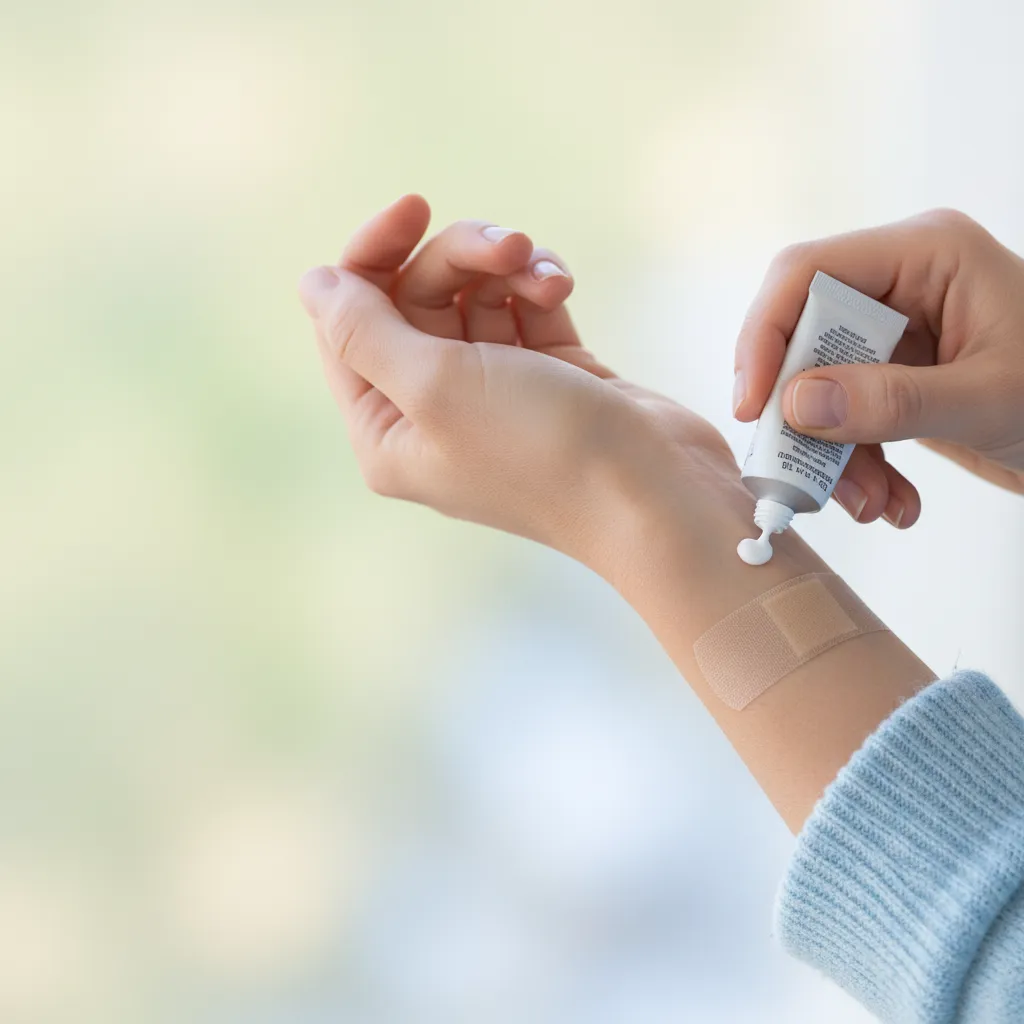
Apply neomycin topical directly to clean, dry skin as directed by your doctor or the package instructions. Start by washing your hands thoroughly and gently cleaning the affected area with mild soap and water. Pat the area dry with a clean towel before applying the medication.
Use a thin layer of the cream or ointment, just enough to cover the wound and a small area around it. You don't need to rub it in vigorously - gentle application works just as well. Most people apply it 1 to 3 times daily, but follow your specific instructions.
After applying the medication, you can cover the area with a sterile bandage if needed. This helps keep the medication in place and protects the wound from dirt and bacteria. Change the bandage daily or whenever it becomes wet or dirty.
Always wash your hands again after applying the medication to prevent spreading bacteria to other areas or people.
How Long Should I Take Neomycin Topical For?
Most minor wounds need neomycin topical for 3 to 7 days, depending on how quickly they heal. Your doctor will give you specific guidance based on your wound type and healing progress. Generally, you'll continue using it until the wound closes and shows clear signs of healing.
Stop using the medication once your wound has formed a good scab or new skin has grown over the area. Continuing to use antibiotics longer than needed can sometimes cause skin irritation or make bacteria resistant to treatment.
If your wound isn't improving after 3 to 5 days of treatment, contact your healthcare provider. You might need a different medication or medical evaluation to make sure there isn't a more serious infection developing.
What Are the Side Effects of Neomycin Topical?
Most people use neomycin topical without any problems, but some side effects can occur. The good news is that serious side effects are uncommon when you use this medication on small areas of skin for short periods.

Common side effects you might notice include mild skin irritation at the application site:
- Redness or slight swelling around the treated area
- Itching or burning sensation when you first apply it
- Dry or flaky skin as the wound heals
- Mild stinging that usually goes away quickly
These reactions are usually mild and improve as your skin gets used to the medication. If they become bothersome or don't improve after a few days, consider switching to a different antibiotic ointment.
More serious side effects can develop, though they're less common with topical use:
- Allergic reactions with severe redness, swelling, or blistering
- Signs of contact dermatitis like widespread rash or intense itching
- Hearing problems if large amounts are absorbed (very rare with topical use)
- Kidney function changes with extensive use over large skin areas
If you develop severe skin reactions, hearing changes, or feel unwell while using neomycin topical, stop the medication and contact your healthcare provider right away.
Who Should Not Take Neomycin Topical?
Neomycin topical isn't safe for everyone, and some people should avoid it completely. If you've had allergic reactions to neomycin or related antibiotics in the past, you shouldn't use this medication. Previous reactions can range from mild skin irritation to serious allergic responses.
People with certain health conditions need to be extra careful or avoid neomycin topical altogether:
- Anyone with known allergies to aminoglycoside antibiotics
- People with perforated eardrums if treating ear-area wounds
- Individuals with kidney disease who need to avoid absorbed neomycin
- Those with myasthenia gravis, as neomycin can worsen muscle weakness
- People with hearing problems, since neomycin can potentially affect hearing
Pregnant and breastfeeding women should check with their doctor before using neomycin topical, especially for large wounds or extended treatment periods. While topical use is generally safer than oral antibiotics, it's always best to get medical guidance during pregnancy.
Neomycin Topical Brand Names
Neomycin topical is available under several brand names and as a generic medication. You'll find it most commonly in combination products rather than as a single-ingredient medication. These combination products often provide broader antibacterial coverage for wound care.
Popular brand names include Neosporin, which combines neomycin with bacitracin and polymyxin B. You might also see it in products like Mycitracin or various store-brand triple antibiotic ointments. Generic versions work just as well and cost less than brand-name options.
Always check the ingredient list when buying over-the-counter antibiotic ointments to make sure you're getting the right medication for your needs.
Neomycin Topical Alternatives
If neomycin topical doesn't work for you or causes side effects, several alternatives can help treat minor skin infections. Your healthcare provider can recommend the best option based on your specific situation and any allergies you might have.
Other topical antibiotics that work similarly include:
- Bacitracin ointment, which is gentler and less likely to cause allergic reactions
- Mupirocin cream, which is prescription-only but very effective for bacterial infections
- Polymyxin B combinations without neomycin for people with neomycin allergies
- Chlorhexidine solutions for antiseptic wound cleaning
For people who prefer non-antibiotic options, petroleum jelly can help minor wounds heal by keeping them moist and protected. Honey-based wound dressings also have natural antibacterial properties, though they're not as studied as antibiotic ointments.
Is Neomycin Topical Better Than Bacitracin?
Neomycin topical and bacitracin both work well for preventing minor skin infections, but they have different strengths and weaknesses. Bacitracin tends to cause fewer allergic reactions, making it a safer choice for people with sensitive skin or multiple allergies.
Neomycin covers a broader range of bacteria than bacitracin alone, which is why it's often combined with other antibiotics in triple antibiotic ointments. However, more people develop allergies to neomycin over time, especially with repeated use.
For most minor cuts and scrapes, both medications work equally well. If you've never had problems with either one, combination products containing both antibiotics might give you the best protection. If you have sensitive skin or a history of antibiotic allergies, bacitracin alone might be the gentler choice.
Frequently asked questions about Neomycin (topical route)
Is Neomycin Topical Safe for Diabetes?
Is Neomycin Topical Safe for Diabetes?
Neomycin topical can be safe for people with diabetes, but you need extra caution and medical supervision. People with diabetes often have slower wound healing and higher infection risks, so any wound care needs careful monitoring.
The medication itself doesn't directly affect blood sugar levels since it's applied topically. However, people with diabetes should work closely with their healthcare provider for any wound care, even minor cuts. Your doctor might recommend specific wound care products or want to monitor your healing progress more closely.
What Should I Do If I Accidentally Use Too Much Neomycin Topical?
What Should I Do If I Accidentally Use Too Much Neomycin Topical?
If you accidentally apply too much neomycin topical, don't panic - it's unlikely to cause serious harm. Gently wipe off the excess medication with a clean cloth or tissue, leaving just a thin layer on the wound.
Using too much won't make the medication work better and might actually slow healing by keeping the wound too moist. If you accidentally get a large amount on healthy skin, wash it off with mild soap and water. Contact your doctor if you develop unusual skin reactions or if you're concerned about the amount you used.
What Should I Do If I Miss a Dose of Neomycin Topical?
What Should I Do If I Miss a Dose of Neomycin Topical?
If you miss a dose of neomycin topical, apply it as soon as you remember, as long as it's not almost time for your next scheduled dose. Don't double up by applying extra medication to make up for the missed dose.
Missing one or two doses won't significantly affect your healing, but try to stick to your regular schedule for the best results. If you frequently forget doses, consider setting a phone reminder or applying the medication at the same time you do other daily activities like brushing your teeth.
When Can I Stop Taking Neomycin Topical?
When Can I Stop Taking Neomycin Topical?
You can usually stop using neomycin topical once your wound has healed completely and shows no signs of infection. This typically happens when the wound has closed, formed a healthy scab, or grown new skin over the affected area.
Look for signs that healing is progressing well: the wound edges are coming together, any redness is fading, and there's no pus or unusual discharge. If your doctor prescribed the medication for a specific number of days, complete the full course even if the wound looks better early.
Stop using the medication and contact your healthcare provider if you notice signs of infection getting worse, such as increased redness, swelling, warmth, or pus formation.
Can I Use Neomycin Topical on My Face?
Can I Use Neomycin Topical on My Face?
Neomycin topical can be used on facial wounds, but extra caution is needed because facial skin is more sensitive and allergic reactions are more noticeable. Use a very thin layer and avoid getting the medication near your eyes, nose, or mouth.
Facial skin also tends to be more reactive to antibiotics, so watch carefully for signs of irritation or allergic reactions. If you develop redness, swelling, or itching that seems excessive for normal wound healing, stop using the medication and consult your healthcare provider.
For facial wounds, your doctor might recommend gentler alternatives like bacitracin alone or prescription options that are less likely to cause skin reactions.
Health Companion
trusted by
6Mpeople
Get clear medical guidance
on symptoms, medications, and lab reports.

download august