
Health Library
What is Ozenoxacin: Uses, Dosage, Side Effects and More
October 10, 2025
Question on this topic? Get an instant answer from August.
Ozenoxacin is a topical antibiotic cream that fights bacterial skin infections, particularly impetigo. This prescription medication belongs to a newer class of antibiotics called quinolones, specifically designed to work directly on your skin where the infection is happening.
Think of ozenoxacin as a targeted treatment that goes straight to the source of your skin infection. Unlike oral antibiotics that travel through your entire body, this cream works locally on the affected area, which often means fewer side effects for most people.
What is Ozenoxacin Used For?
Ozenoxacin treats impetigo, a common bacterial skin infection that causes red sores and blisters. You'll typically see impetigo around your nose, mouth, hands, or feet, though it can appear anywhere on your body.
Impetigo happens when bacteria like Staphylococcus aureus or Streptococcus pyogenes enter small cuts or breaks in your skin. The infection creates honey-colored crusts or fluid-filled blisters that can be itchy and uncomfortable.
This medication specifically targets the bacteria causing your impetigo. Your doctor might prescribe ozenoxacin when other topical antibiotics haven't worked or when they want to try a different approach to clear your infection.
How Does Ozenoxacin Work?
Ozenoxacin works by blocking an enzyme called DNA gyrase that bacteria need to survive and multiply. Without this enzyme, the bacteria causing your impetigo can't repair their DNA or reproduce, so they eventually die off.
This is considered a moderately strong topical antibiotic. It's more potent than some older topical treatments but gentler than many oral antibiotics since it works directly on your skin.
The cream penetrates into the infected layers of your skin where it can reach the bacteria hiding beneath the surface. Most people start seeing improvement in their symptoms within the first few days of treatment.
How Should I Take Ozenoxacin?
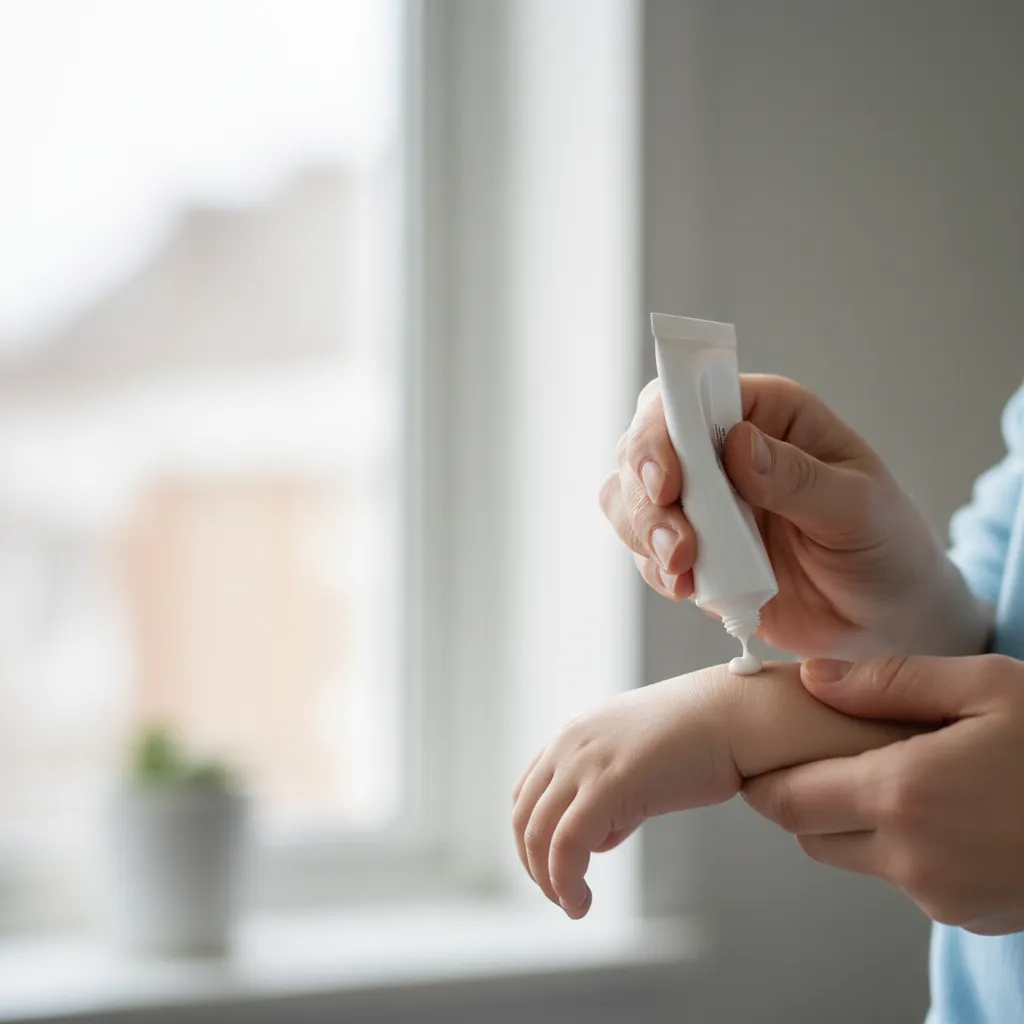
Apply ozenoxacin cream twice daily to the affected area and about half an inch of surrounding healthy skin. You don't need to take this medication with food or water since it's a topical cream, not a pill.
Before applying the cream, gently clean the infected area with mild soap and water, then pat it dry. Wash your hands thoroughly both before and after applying the medication to prevent spreading the infection.
Use clean hands or a cotton swab to apply a thin layer of cream. You don't need to rub it in vigorously - just spread it evenly over the affected area. The cream will absorb into your skin naturally.
Try to apply the medication at roughly the same times each day, such as morning and evening. This helps maintain consistent levels of the antibiotic in your skin.
How Long Should I Take Ozenoxacin For?
Most people use ozenoxacin for 5 days, which is the standard treatment length for impetigo. Your doctor will give you specific instructions based on how severe your infection is and how well you respond to treatment.
You might notice your symptoms starting to improve after 2-3 days of treatment. However, it's crucial to complete the full course even if your skin looks better, as stopping early can allow the infection to return.
If your impetigo isn't improving after 3-4 days of treatment, contact your doctor. They may need to adjust your treatment plan or check if a different type of bacteria is causing your infection.
What Are the Side Effects of Ozenoxacin?
Most people tolerate ozenoxacin well, but like any medication, it can cause side effects. The good news is that serious side effects are uncommon with this topical antibiotic.
Here are the most common side effects you might experience:

- Mild skin irritation or redness at the application site
- Slight burning or stinging when you first apply the cream
- Dry skin or peeling around the treated area
- Itching that may get worse before it gets better
These mild reactions usually improve as your skin gets used to the medication. They're often a sign that the antibiotic is working to clear your infection.
Less common but more concerning side effects include severe allergic reactions. While rare, some people might experience intense itching, swelling, or difficulty breathing after using ozenoxacin.
Contact your doctor immediately if you develop severe skin irritation, widespread rash, or signs of an allergic reaction. These symptoms need prompt medical attention.
Who Should Not Take Ozenoxacin?
You shouldn't use ozenoxacin if you're allergic to quinolone antibiotics or any ingredients in the cream. Tell your doctor about any previous reactions to antibiotics like ciprofloxacin, levofloxacin, or other quinolones.
People with certain medical conditions need special consideration before using this medication. If you have a history of tendon problems, seizures, or severe kidney disease, discuss these with your doctor first.
Pregnant and breastfeeding women should use ozenoxacin only if the benefits outweigh the risks. While topical antibiotics generally have less systemic absorption than oral ones, it's still important to discuss this with your healthcare provider.
Children under 2 months old shouldn't use ozenoxacin, as safety in very young infants hasn't been established. For older children, the medication is generally safe when used as directed.
Ozenoxacin Brand Names
Ozenoxacin is available under the brand name Xepi in the United States. This is currently the main brand name you'll see when your doctor prescribes this medication.
When you pick up your prescription, the pharmacy might give you either the brand name Xepi or a generic version if one becomes available. Both contain the same active ingredient and work the same way.
Always check with your pharmacist if you have questions about which version of the medication you're receiving. They can explain any differences in appearance or inactive ingredients.
Ozenoxacin Alternatives
Several other topical antibiotics can treat impetigo if ozenoxacin isn't right for you. Mupirocin (Bactroban) is probably the most commonly prescribed alternative and has been used safely for many years.
Retapamulin (Altabax) is another option that works differently from ozenoxacin but treats the same types of skin infections. Your doctor might choose this if you have allergies to quinolone antibiotics.
For more severe infections, your doctor might prescribe oral antibiotics like cephalexin or clindamycin instead of topical treatments. These work throughout your body but can have more side effects.
The choice between different antibiotics depends on factors like the severity of your infection, your medical history, and which bacteria are causing your impetigo.
Is Ozenoxacin Better Than Mupirocin?
Both ozenoxacin and mupirocin are effective treatments for impetigo, but they work in different ways. Ozenoxacin is a newer medication that may work against some bacteria that have become resistant to older antibiotics like mupirocin.
Studies show that ozenoxacin is just as effective as mupirocin for treating impetigo, with similar cure rates and side effect profiles. The main advantage of ozenoxacin might be its effectiveness against certain resistant bacteria.
Your doctor will choose between these medications based on your specific situation. Factors like previous antibiotic use, the severity of your infection, and local resistance patterns all influence this decision.
Both medications are applied twice daily for about 5 days, so the convenience factor is similar. The main differences are in their mechanisms of action and which bacteria they're most effective against.
Frequently asked questions about Ozenoxacin (topical application route)
Is Ozenoxacin Safe for Diabetes?
Is Ozenoxacin Safe for Diabetes?
Yes, ozenoxacin is generally safe for people with diabetes. Since it's a topical medication, it doesn't significantly affect blood sugar levels like some oral antibiotics might.
However, people with diabetes need to be extra careful about skin infections because they can take longer to heal and may be more severe. Make sure to monitor your blood sugar closely and keep the infected area clean and dry.
If you have diabetes and develop impetigo, it's especially important to follow your doctor's instructions exactly and complete the full course of treatment to prevent complications.
What Should I Do If I Accidentally Use Too Much Ozenoxacin?
What Should I Do If I Accidentally Use Too Much Ozenoxacin?
If you accidentally apply too much ozenoxacin cream, don't panic. Simply wipe off the excess with a clean tissue and continue with your regular dosing schedule.
Using too much topical antibiotic won't make your infection heal faster and might actually increase your risk of skin irritation. A thin layer is all you need for the medication to work effectively.
If you experience increased redness, burning, or irritation after applying too much cream, contact your doctor. They can advise you on how to manage any discomfort and whether to continue treatment.
What Should I Do If I Miss a Dose of Ozenoxacin?
What Should I Do If I Miss a Dose of Ozenoxacin?
If you miss a dose of ozenoxacin, apply it as soon as you remember. However, if it's almost time for your next scheduled dose, skip the missed dose and continue with your regular schedule.
Don't apply a double dose to make up for the missed one. This can increase your risk of side effects without providing additional benefits for your infection.
Try setting a phone reminder or alarm to help you remember your doses. Consistent application is important for clearing your infection effectively.
When Can I Stop Taking Ozenoxacin?
When Can I Stop Taking Ozenoxacin?
You should complete the full course of ozenoxacin treatment even if your symptoms improve before you finish the medication. This is typically 5 days, but follow your doctor's specific instructions.
Stopping the antibiotic early can allow remaining bacteria to multiply again, potentially causing your infection to return. It can also contribute to antibiotic resistance.
If you're experiencing severe side effects or your infection seems to be getting worse, contact your doctor before stopping the medication. They can help you decide whether to continue or switch to a different treatment.
Can I Use Makeup or Sunscreen Over Ozenoxacin?
Can I Use Makeup or Sunscreen Over Ozenoxacin?
It's best to avoid applying makeup or other products directly over the treated area while using ozenoxacin. These products can interfere with the medication's absorption and effectiveness.
If you need to use sunscreen, apply it to areas away from your infection. The infected skin should be kept as clean and simple as possible during treatment.
Once your infection has cleared and you've completed the full course of treatment, you can gradually return to your normal skincare routine. Check with your doctor if you have questions about when it's safe to resume using other products.
Health Companion
trusted by
6Mpeople
Get clear medical guidance
on symptoms, medications, and lab reports.

download august