
Health Library
How to Get Rid of High Blood Pressure Headache Instantly (Safe Methods)
January 7, 2026
Question on this topic? Get an instant answer from August.
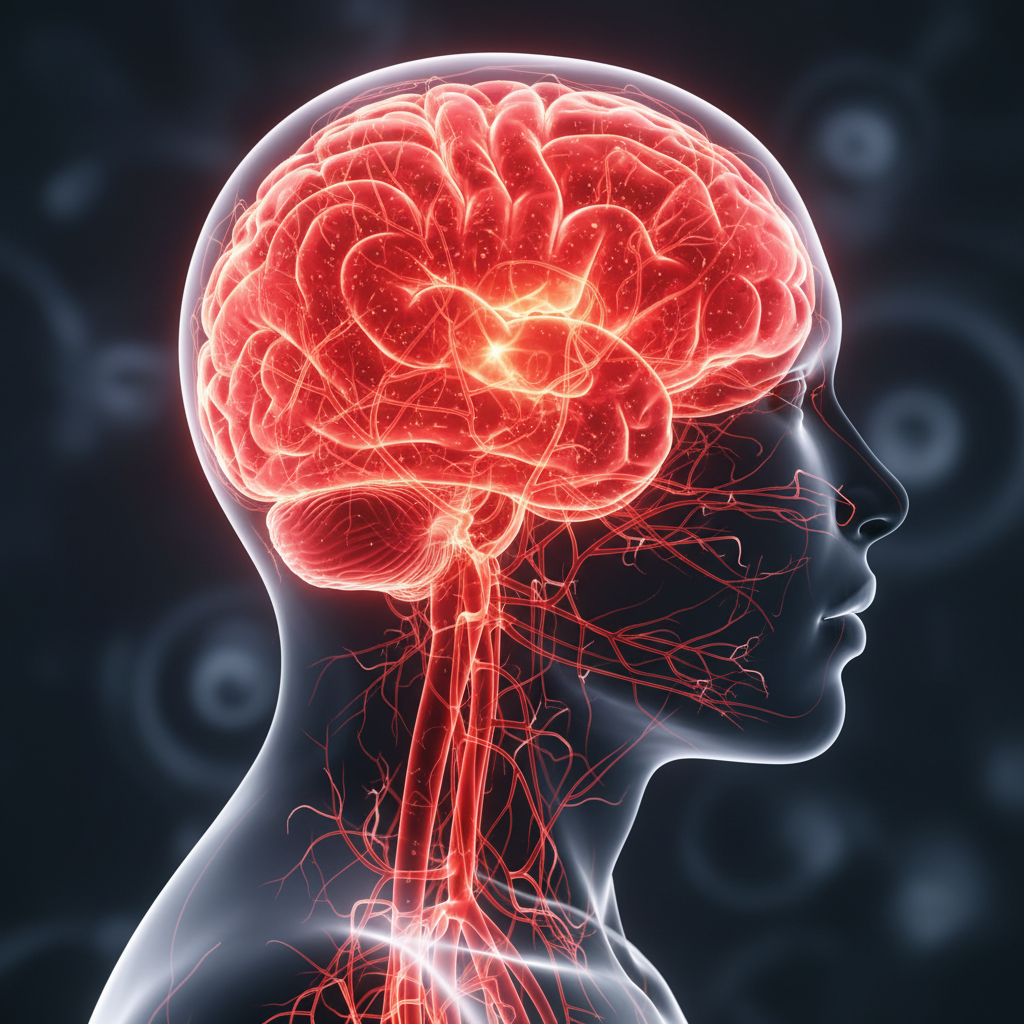
A Crucial Disclaimer: A true headache caused by high blood pressure is a medical emergency. This article will walk you through how to identify the signs of a hypertensive crisis headache, what to do right now, and how to manage your blood pressure long-term to prevent this from ever happening again. The immediate solution isn’t a pill from your medicine cabinet—it’s understanding when to get professional medical help without delay.
The Critical Link: Understanding High Blood Pressure Headaches
One of the biggest misconceptions about hypertension is that it comes with obvious symptoms like headaches or dizziness. In most cases, it doesn’t. That’s why it’s often called the “silent killer” source. Millions of people live with elevated blood pressure and have no idea.
A hypertension headache is different. It doesn’t occur with moderately high blood pressure. Instead, it’s a key symptom of a hypertensive crisis, a condition where your blood pressure soars to dangerously high levels, typically defined as 180/120 mm Hg or higher source.
So, why does this cause such a severe headache? When your blood pressure rises to this extreme level, the pressure inside your skull (intracranial pressure) increases. The delicate blood vessels in your brain can become inflamed and may even leak fluid, causing swelling. This pressure and swelling trigger an intense, throbbing pain that is your body’s loudest possible alarm bell.
What Does a High Blood Pressure Headache Feel Like? Key Symptoms to Watch For
If you’re trying to figure out if your pain is just a bad tension headache or something more serious, it’s important to know what does a high blood pressure headache feel like. It’s typically not a dull ache.
The primary characteristics of a headache from high blood pressure are:
- A pulsating or throbbing quality, often in sync with your heartbeat.
- Pain on both sides of your head, rather than being localized to one spot.
- Pain that worsens with any kind of activity or straining.
However, the headache rarely comes alone during a hypertensive crisis. The most important thing you can do is recognize the accompanying symptoms of a blood pressure headache that signal a true medical emergency.
If you have a severe headache alongside any of the following, you need to seek medical attention immediately:
- Vision changes, like blurred vision, double vision, or sudden blind spots.
- Shortness of breath or difficulty breathing.
- Chest pain, pressure, or tightness.
- Dizziness, confusion, or a sudden change in mental state.
- A sudden, severe nosebleed that’s difficult to stop.
- Nausea or vomiting.
- Numbness or weakness in your face, arms, or legs, which could be a sign of a stroke.
These symptoms are signs that the extreme blood pressure is starting to affect your body’s vital organs, such as your brain, heart, or kidneys source.
How can I relieve a high blood pressure headache fast?
you can try a few immediate steps: rest in a quiet, dim place, slow deep breathing to relax and lower pressure, and drink water to stay hydrated. Applying a cold compress to your forehead or neck may also ease pain quickly. Avoid caffeine, high-salt snacks, and NSAIDs like ibuprofen, which can worsen blood pressure. If your headache is severe or blood pressure is very high (e.g., 180/120 mmHg), seek urgent medical help.
What helps a blood pressure headache go away immediately?
Try simple, immediate steps: slow deep breathing to relax and lower pressure, sit quietly in a dim room with your head elevated, drink water, apply a cold compress to forehead/neck, and gently massage temples/neck to ease tension and headache pain. These can help while your blood pressure settles. If headache is severe or your blood pressure is dangerously high, seek medical help right away.
EMERGENCY ACTION: What to Do Right Now
This is the most important section of this article. If you are experiencing a severe, throbbing headache and suspect your blood pressure is dangerously high, forget about home remedies for now. Your search for how to get rid of high blood pressure headache instantly has one correct answer: immediate medical intervention.
Follow these steps without hesitation:
-
Check Your Blood Pressure (If Possible). If you have a home blood pressure monitor, use it. This will give you a clear, objective number. Don’t take it multiple times in a panic; one accurate reading is enough.
-
Recognize the Danger Zone. If your blood pressure reading is 180/120 mm Hg or higher, you are in a hypertensive emergency. Even if you don’t have other symptoms yet, this reading alone is a reason to act.
-
Call 911 or Go to the Nearest Emergency Room Immediately. Do not wait to see if it gets better. Do not ask a friend for a ride if you can call an ambulance—paramedics can begin treatment on the way. Time is critical. Delaying treatment for a hypertensive crisis headache can lead to life-threatening complications, including stroke, heart attack, kidney damage, or vision loss.
-
Do NOT Take Over-the-Counter Pain Relievers. While it’s tempting to reach for an aspirin or ibuprofen, these medications will not lower your blood pressure. They only mask the pain, which can give you a false sense of security while the underlying danger continues to damage your body. The only way to relieve a hypertension headache of this magnitude is for medical professionals to safely and gradually lower your blood pressure.
Calming Techniques While Waiting for Help (or for General Stress)
Disclaimer: Let’s be perfectly clear. The following techniques are NOT a substitute for emergency medical care during a hypertensive crisis. They will not lower your blood pressure from 180/120 to a safe level. However, they can be incredibly helpful for managing the panic and anxiety you may feel while waiting for help to arrive.
These are also excellent breathing techniques for high blood pressure management in your daily life to help control stress.
- Simple Deep Breathing: Close your eyes. Inhale slowly and deeply through your nose for a count of four, feeling your belly expand. Hold your breath for a count of two. Exhale slowly through your mouth for a count of six. Repeat for a few minutes.
- The 4-7-8 Technique: Inhale quietly through your nose for 4 seconds. Hold your breath for a count of 7 seconds. Exhale completely through your mouth, making a whoosh sound, for 8 seconds. This is one breath. Repeat the cycle three more times source.
- Box Breathing: Visualize a square. Inhale for a count of four as you trace one side. Hold your breath for four as you trace the next side. Exhale for four as you trace the third side. Hold again for four on the final side. Repeat.
Long-Term Prevention: 7 Lifestyle Changes to Avoid Future Crises
Once the immediate danger has passed and you’re under a doctor’s care, the focus must shift to long-term management. The goal is to prevent high blood pressure headaches from ever happening again. The best home remedies for high blood pressure headache are the daily habits you build to keep your blood pressure in a healthy range.
Here are seven powerful lifestyle changes you can start making today.
1. Monitor Your Blood Pressure Regularly
You can’t manage what you don’t measure. Purchase a reliable home blood pressure monitor and take readings regularly, as advised by your doctor. This helps you and your healthcare team understand what’s normal for you and how well your treatment plan is working.
2. Eat a Heart-Healthy Diet
Adopting the DASH (Dietary Approaches to Stop Hypertension) diet is one of the most effective strategies. This involves: * Reducing Sodium: Aim for less than 2,300 milligrams per day, or 1,500 mg if recommended by your doctor source. * Increasing Potassium: This mineral helps balance sodium levels. Load up on bananas, spinach, sweet potatoes, and avocados. * Focusing on Whole Foods: Eat plenty of fruits, vegetables, whole grains, lean proteins, and low-fat dairy.
3. Exercise Regularly
Physical activity makes your heart stronger, so it can pump more blood with less effort. Aim for at least 150 minutes of moderate-intensity exercise, like brisk walking or cycling, per week. That’s just 30 minutes, five days a week!
4. Lose Extra Weight
If you are overweight, losing even a small amount of weight—as little as 5 to 10 pounds—can significantly lower your blood pressure source.
5. Limit Alcohol and Quit Smoking
Drinking too much alcohol can raise blood pressure. Limit yourself to one drink per day for women and two for men. Smoking is one of the worst things you can do for your cardiovascular health. Each cigarette you smoke temporarily raises your blood pressure and damages the lining of your arteries. Quitting is a massive step toward better health.
6. Prioritize Quality Sleep
Chronic sleep deprivation can contribute to high blood pressure. Aim for 7-9 hours of quality sleep per night. If you have sleep apnea, getting treatment is critical for your blood pressure control.
7. Manage Your Stress
Chronic stress keeps your body in a constant “fight-or-flight” mode, which takes a toll on your blood pressure. Incorporate stress-management practices into your daily routine. The breathing techniques for high blood pressure mentioned earlier are a great place to start, as are activities like meditation, yoga, or spending time in nature.
Your Health Is in Your Hands
Let’s circle back to the initial question: how to get rid of high blood pressure headache instantly. The real answer is that a true hypertension headache is a symptom of a much larger problem that requires immediate, professional care. It’s a sign that your body is in crisis.
The most important takeaways are: * A severe, pulsating headache from high blood pressure combined with a reading of 180/120 mmHg or higher is a medical emergency. * Do not wait. Call 911 immediately. * Long-term prevention through diet, exercise, stress management, and working with your doctor is the only way to truly relieve a hypertension headache for good by preventing it from happening in the first place.
Never ignore your body’s warning signs. By understanding the symptoms and taking decisive action, you can protect yourself from serious harm. Work with your healthcare provider to create a sustainable management plan that empowers you to take control of your blood pressure and safeguard your long-term health.
Health Companion
trusted by
6Mpeople
Get clear medical guidance
on symptoms, medications, and lab reports.

download august