
Health Library
Cephalexin 500 mg: Uses, Dosage, and Side Effects
January 5, 2026
Question on this topic? Get an instant answer from August.
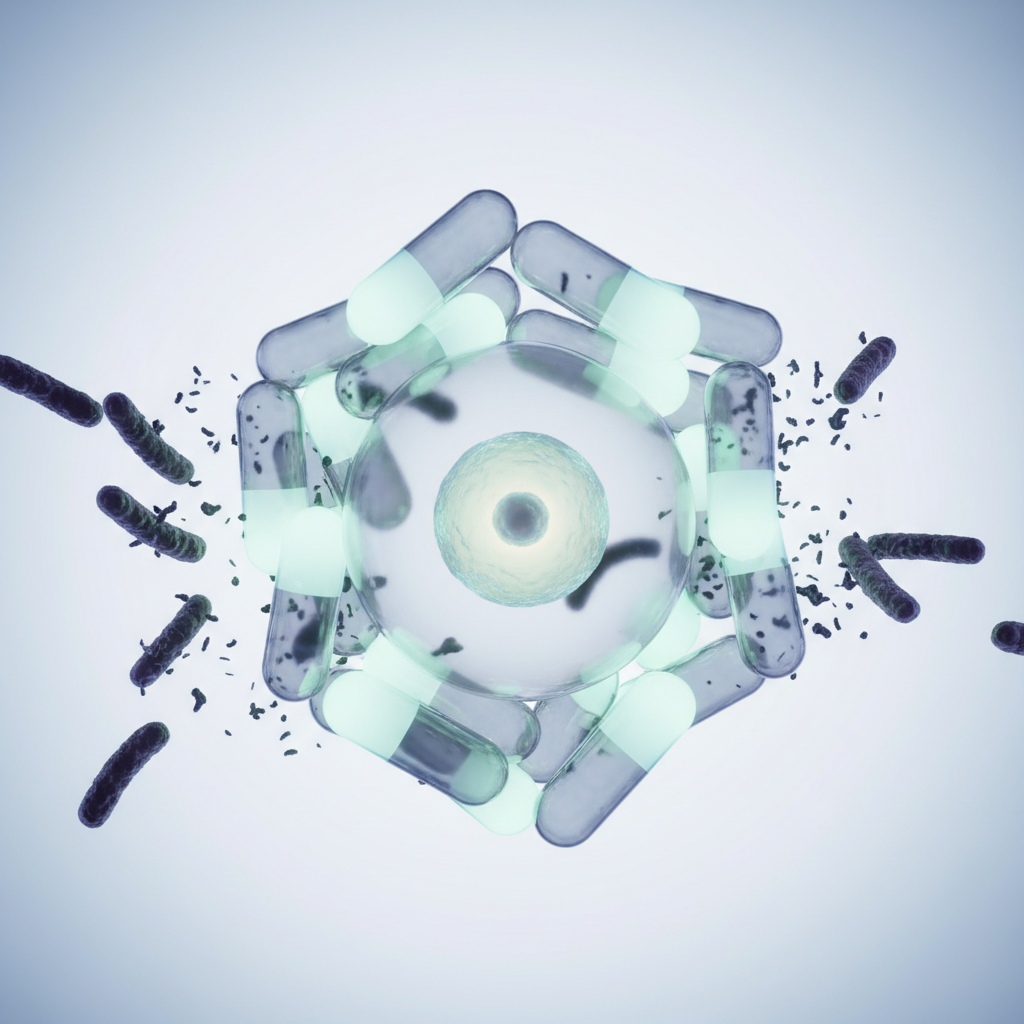
Cephalexin, often known by its popular brand name Keflex 500 mg, is one of the most frequently prescribed antibiotics for a good reason: it’s effective and versatile. It’s a trusted tool in a doctor’s arsenal for fighting off a wide range of common bacterial infections.
What is Cephalexin and How Does It Work?
Cephalexin belongs to a class of medications known as cephalosporin antibiotics. Think of this class as a family of drugs that are experts at fighting bacteria.
So, how does it work its magic? Imagine bacteria as tiny invaders wearing a suit of armor called a cell wall. This wall is essential for their survival; it gives them structure and protects them from their environment. Cephalexin works by attacking the bacteria’s ability to build and maintain this protective wall source. Without a functional cell wall, the bacteria are left vulnerable and eventually break apart and die, allowing your body’s immune system to clear out the infection.
It’s crucial to understand that cephalexin is only effective against bacterial infections. It has no effect on viruses. This means it will not work for illnesses like the common cold, the flu, or most sore throats and coughs. Using antibiotics when they aren’t needed can contribute to the growing problem of antibiotic resistance, so it’s vital to only take them when prescribed by a healthcare professional for a confirmed bacterial issue.
Common Uses: What Infections Does Cephalexin 500 mg Treat?
Your doctor has likely prescribed this medication for a specific reason. One of the most common questions patients have is, what is cephalexin used for? Thanks to its broad-spectrum activity, it’s used to treat a variety of infections throughout the body.
Here are some of the most common conditions treated with cephalexin 500 mg:
- Urinary Tract Infections (UTIs): The use of cephalexin for UTI is extremely common. It’s effective at treating bladder infections (cystitis) and can also be used for more complicated UTIs, including kidney and prostate infections.
- Skin and Soft Tissue Infections: As a go-to choice for cephalexin for skin infection, it effectively treats conditions like cellulitis (a bacterial skin infection that causes redness and swelling), abscesses, and infections in cuts or surgical wounds.
- Respiratory Tract Infections: Cephalexin can be prescribed for bacterial infections in the lungs and airways, such as certain types of pneumonia and bronchitis.
- Ear Infections (Otitis Media): It is a frequent choice for treating middle ear infections, especially in children, due to its effectiveness against common bacterial culprits.
- Throat Infections: For bacterial throat infections like strep throat (streptococcal pharyngitis) or tonsillitis, cephalexin is a reliable option, particularly for individuals with a penicillin allergy.
- Bone Infections: It can penetrate bone tissue, making it a valuable treatment for osteomyelitis, an infection of the bone.
How to Take Cephalexin 500 mg: Dosage and Proper Use
Understanding how to take cephalexin correctly is the single most important factor in ensuring your infection is completely cured. Always follow the specific instructions on your prescription label, as your dosage is tailored to your weight, age, and the type of infection you have.
Typical Dosage and Administration
The typical adult cephalexin dosage is often 250 mg every 6 hours or 500 mg every 12 hours. The capsules can be taken with or without food. However, if you experience stomach upset or nausea, taking it with a meal or a glass of milk can help minimize discomfort.
The Golden Rule: Finish the Full Course!
This cannot be stressed enough: you must take the entire course of antibiotics as prescribed, even if you start to feel better after a few days. Stopping early can allow the hardiest bacteria to survive, multiply, and potentially cause a relapse of the infection. This can also contribute to the development of antibiotic-resistant bacteria, which are much harder to treat in the future source.
What About a Missed Dose?
Life happens, and sometimes a dose is forgotten. Here’s the standard advice for a missed dose of cephalexin: take it as soon as you remember. However, if it’s almost time for your next scheduled dose, simply skip the missed one and continue with your regular schedule. Never double up on doses to “catch up,” as this can increase your risk of side effects.
Special Instructions for Liquid Cephalexin
If your child (or you) has been prescribed the liquid suspension, there are a couple of extra steps: 1. Shake Well: Always shake the bottle vigorously before each use to ensure the medication is evenly distributed. 2. Measure Accurately: Do not use a regular kitchen spoon. Use the measuring spoon, syringe, or cup provided by the pharmacy to ensure you are giving the correct dose. 3. Storage: The liquid form must be kept refrigerated. Be sure to discard any unused portion after 14 days, as it loses its potency.
Solid capsules and tablets should be stored at room temperature, away from excess heat and moisture (so the bathroom medicine cabinet isn’t the best spot!).
Understanding the Potential Side Effects of Cephalexin
Like any medication, cephalexin can cause side effects. The good news is that most people tolerate it very well, and the side effects of cephalexin are often mild and temporary. It’s helpful to know what to look for, so you can distinguish between a minor inconvenience and something that requires a call to your doctor.
Common Side Effects
These side effects are more frequent but are usually not a cause for alarm. They often go away as your body adjusts to the medication:
- Diarrhea
- Nausea or vomiting
- Stomach pain or indigestion
- Headache
- Dizziness
Serious Side Effects: When to Call Your Doctor Immediately
While rare, some side effects of cephalexin can be serious and require prompt medical attention. Contact your healthcare provider right away if you experience any of the following:
- Signs of a Severe Allergic Reaction: This can include hives, a severe skin rash, intense itching, swelling of your face, lips, tongue, or throat, or difficulty breathing or swallowing.
- Severe or Bloody Diarrhea: Watery and severe diarrhea, especially if it contains blood or is accompanied by severe stomach cramps, can be a sign of a serious intestinal condition called Clostridioides difficile (C. diff) infection, which can occur during or even weeks after antibiotic use source.
- Unusual Bleeding or Bruising: This could indicate an effect on your blood’s ability to clot.
- Severe Skin Reactions: Watch for blistering, peeling, or a red/purple skin rash.
- Yellowing of the Skin or Eyes (Jaundice): This, along with dark urine or severe stomach pain, could be a sign of liver problems.
Important Precautions and Drug Interactions
Before you start treatment, it’s essential to be aware of some key cephalexin warnings and potential interactions. Being open and honest with your doctor about your health history is the best way to ensure your safety.
Allergies
Tell your doctor if you have ever had an allergic reaction to cephalexin, another cephalosporin antibiotic (like cefdinir or cefuroxime), or penicillin. While not everyone with a penicillin allergy will react to cephalexin, there is a small chance of cross-reactivity.
Medical History
Be sure your doctor is aware of your full medical history, especially if you have: * Kidney disease (your dose may need to be adjusted) * Liver disease * A history of intestinal problems like colitis
Potential Cephalexin Drug Interactions
To avoid potentially harmful cephalexin drug interactions, give your doctor and pharmacist a complete list of all medications you take, including prescription drugs, over-the-counter medicines, vitamins, and herbal supplements. A few notable interactions include:
- Metformin: Cephalexin can increase the levels of this common diabetes medication, raising the risk of side effects.
- Probenecid: This gout medication can prevent your kidneys from removing cephalexin properly, leading to higher levels of the antibiotic in your blood.
- Blood Thinners (Anticoagulants): Medications like warfarin can have their effects increased when taken with cephalexin, raising the risk of bleeding.
Cephalexin and Alcohol
While there isn’t a severe, direct interaction between cephalexin and alcohol, it’s generally wise to avoid alcohol while you’re fighting an infection. Alcohol can dehydrate you, weaken your immune system, and may worsen side effects like dizziness and stomach upset.
Pregnancy and Breastfeeding
Cephalexin is generally considered to be low-risk during pregnancy and breastfeeding. However, you should always inform your doctor if you are pregnant, planning to become pregnant, or are breastfeeding so they can make the best decision for you and your baby.
Your Path to Recovery
Cephalexin is a powerful and effective antibiotic that has helped millions of people recover from bacterial infections. Its success depends entirely on using it correctly and safely. By understanding what is cephalexin used for and following your doctor’s instructions, you are taking the most important step toward a swift recovery.
Remember the key takeaways: take your medication exactly as prescribed, finish the entire course, and be aware of the potential side effects. Never hesitate to reach out to your doctor or pharmacist if you have any questions or concerns—they are your best resource. And as a final rule of thumb, never share your prescription medication with anyone else, even if they have similar symptoms.
You are now equipped with the knowledge to use Keflex 500 mg or its generic equivalent safely and effectively. Here’s to feeling better soon
Health Companion
trusted by
6Mpeople
Get clear medical guidance
on symptoms, medications, and lab reports.

download august