
Health Library
How to Lower BUN Levels: 5 Effective Methods
February 26, 2026
Question on this topic? Get an instant answer from August.
TL;DR:
• High BUN (blood urea nitrogen) levels often point to dehydration, too much protein, or reduced kidney function.
• Drinking more water, adjusting protein intake, and managing blood pressure are most effective ways to bring BUN levels down.
• BUN above 20 mg/dL deserves a conversation with your doctor, and levels above 50 mg/dL need prompt medical attention.
If your lab results came back showing a high BUN level, your first instinct might be to worry. That is completely understandable. But a high BUN number does not automatically mean your kidneys are failing. It often reflects something much more correctable, like not drinking enough water or eating more protein than your body can comfortably process.
What Does a BUN Test Actually Measure?
BUN stands for blood urea nitrogen. When your body breaks down protein from food or from your own tissues, it produces a waste product called urea. Your liver makes urea, and then your kidneys filter it out of your blood so it can leave through your urine.
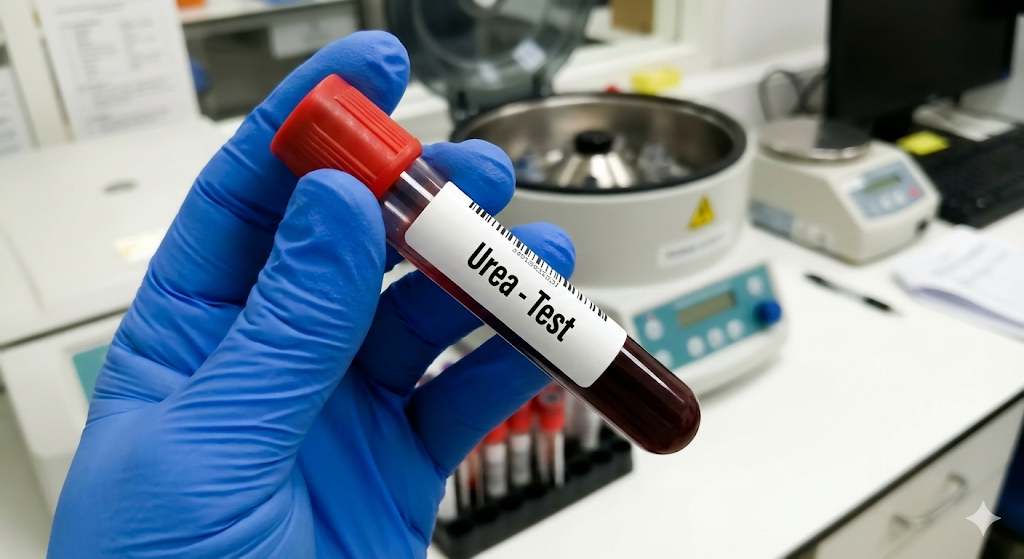
A BUN test measures how much of that urea nitrogen is still sitting in your blood. The normal range is typically between 6 and 20 mg/dL. When your kidneys are working well, they clear most of it out. When something is off, whether it is dehydration, a high-protein diet, or actual kidney stress, BUN levels can climb.
Your doctor will usually look at your BUN alongside your creatinine level and your eGFR (estimated glomerular filtration rate) to get a full picture of how your kidneys are doing. BUN alone does not tell whole story. If you want to understand how these two markers work together, here is a closer look at what a low BUN-to-creatinine ratio means and when it matters.
What Causes High BUN Levels?
There are several reasons your BUN might be elevated. Some are simple lifestyle factors. Others point to something that needs medical attention.
Dehydration is most common cause. When your body does not have enough water, your kidneys hold onto fluid and waste products like urea become more concentrated in your blood. Even mild, chronic dehydration from not drinking enough throughout day can push BUN above normal.
A high protein diet is another frequent trigger. The more protein your body breaks down, more urea your liver produces. If you are eating a lot of meat, protein shakes, or supplements, your kidneys have to work harder to clear that extra nitrogen. This is especially relevant for people who follow high-protein diets without increasing their water intake to match.
Certain medications can also raise BUN. NSAIDs like ibuprofen, some antibiotics, and diuretics (water pills) can reduce blood flow to kidneys or affect how well they filter waste. If you started a new medication around time your BUN went up, that connection is worth discussing with your doctor.
Kidney disease is a more serious possibility. When kidneys are damaged or not functioning well due to conditions like chronic kidney disease, diabetes, or uncontrolled high blood pressure, they lose their ability to filter urea efficiently. BUN levels rise as a result and tend to stay elevated.
Other less common causes include gastrointestinal bleeding, severe infections, heart failure, and burns or trauma that increase protein breakdown in body.
How Can You Lower BUN Levels Naturally?
The approach depends on what is causing elevation. But for most people, a few practical changes can make a real difference.
Drink more water. This is simplest and most effective step. Staying well-hydrated helps your kidneys flush urea out of your blood more efficiently. For most adults, that means roughly 8 to 10 glasses a day, though your needs may vary based on activity level, climate, and overall health. If you already have advanced kidney disease, ask your doctor how much fluid is safe, because too much can also cause problems.
Reduce your protein intake. You do not need to eliminate protein. But moderating it can lower amount of urea your liver produces. A general guideline is about 0.8 grams of protein per kilogram of body weight per day for most healthy adults. That works out to roughly 54 grams for someone who weighs 150 pounds. Choosing plant-based protein sources like beans, lentils, and tofu over red meat can also help because plant proteins tend to produce less urea during digestion. If you are looking for practical food-based strategies, here is a guide on how to reduce creatinine levels through diet, which overlaps with many of same kidney-friendly eating principles.
Manage your blood pressure. High blood pressure is one of leading causes of kidney damage over time. Keeping it under control helps protect tiny blood vessels in your kidneys that do actual filtering work. If you are on blood pressure medication, take it consistently and follow up with your doctor for regular monitoring.
Add more fiber to your diet. Fiber-rich foods like vegetables, whole grains, and legumes support digestion and can help reduce overall waste load on your kidneys. Some research suggests that a higher-fiber diet may improve gut health in ways that indirectly benefit kidney function by reducing inflammation.
Review your medications with your doctor. If you are regularly taking NSAIDs, certain antibiotics, or supplements that affect kidney workload, your doctor may recommend alternatives or dosage adjustments.
When Should You See a Doctor About High BUN?
A BUN level slightly above 20 mg/dL is not always cause for alarm, especially if you were dehydrated or had a high-protein meal before test. But it still warrants a conversation with your doctor, particularly if it is a pattern across multiple tests.
BUN levels above 50 mg/dL are considered significantly elevated and may indicate serious kidney impairment or another underlying condition that needs prompt evaluation. Symptoms like persistent fatigue, swelling in your legs or ankles, changes in urination, nausea, or confusion alongside high BUN are signals to get checked sooner rather than later.
Your doctor will likely run additional tests including creatinine, eGFR, and possibly a urine albumin test to understand how much kidney function you have and what next steps should be.
Conclusion
A high BUN level is a signal worth paying attention to, but it does not always mean something serious is wrong. In many cases, better hydration, moderate protein intake, and managing blood pressure are enough to bring your levels back into a normal range. The key is not to ignore it. Talk to your doctor about your results, ask what might be driving elevation, and work together on a plan. Your kidneys do a lot of quiet, essential work for your body, and supporting them with small, consistent changes goes a long way.
Health Companion
trusted by
6Mpeople
Get clear medical guidance
on symptoms, medications, and lab reports.

download august