
Your body is a remarkable communicator, and believe it or not, the color and consistency of your snot are some of the clues it uses to tell you what’s going on inside. Mucus plays a vital, protective role in your respiratory system, acting as a sticky filter that traps dust, pollen, bacteria, and other airborne debris before it can reach your lungs source. When you’re healthy, you barely notice it. But when things change, so does your snot.
What Does Orange or Brown Snot Mean?
Let’s get straight to the main question. Seeing an orange tint in your mucus can be jarring, but the explanation is usually quite simple. In most cases, orange snot is simply a sign of old, dried blood mixed with your mucus.
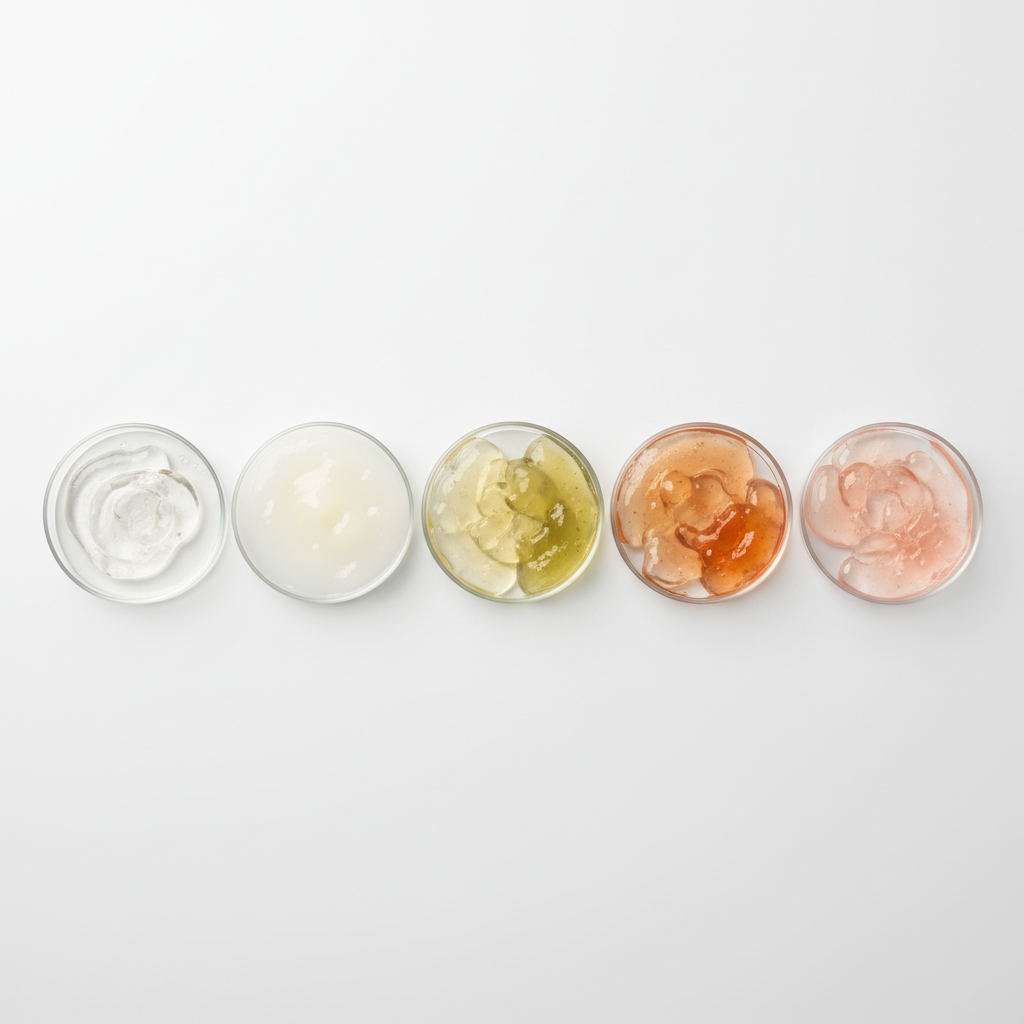
Here’s how it happens: Your nasal passages are lined with delicate blood vessels. Sometimes, these vessels can break due to dryness, irritation from blowing your nose too often, or a minor scratch. When the blood is fresh, you might see pink or red snot (we’ll cover that below). However, as that blood gets older and oxidizes (mixes with oxygen), it turns from red to a darker, brownish, or orange hue. So, what does orange snot mean? It often means you had a minor nosebleed a little while ago that is just now clearing out.
Similarly, brown snot is typically caused by the same thing: older blood. It can also be a result of inhaling something dark-colored from the environment. If you’ve been working in a dusty attic, gardening, or been around a lot of dirt, you might blow out some brown snot as your body clears the debris. Even inhaling spices like paprika or chili powder can temporarily tint your mucus!
While it can be alarming, seeing this color is often not a cause for immediate panic.
Why is my mucus orange?
Orange mucus usually means a bit of old or dried blood mixed into your mucus, often from irritation, nose blowing, allergies, dry air, or a mild infection like sinusitis. It can also come from inhaled dust or pollutants. If it persists, is accompanied by fever, pain, or breathing trouble, see a doctor.
The Complete Snot Color Chart: What Your Body is Telling You
Understanding the full spectrum of snot color meaning can give you a better picture of your health. So, what does the color of my snot mean? Let’s break it down.
Clear Snot
This is the normal, healthy stuff. Your body produces over a liter of this clear, watery mucus every day to keep your nasal passages moist and clean. If you have an excessive amount of clear, runny snot, it could be a sign of allergic rhinitis (hay fever) or the very beginning of a cold source.
White Snot
When you’re feeling congested, you might notice your snot has turned white and cloudy. This happens when the mucus in your nose slows down and loses moisture, becoming thicker and more concentrated. It’s often one of the first signs that your body is gearing up to fight a cold or infection.
Yellow Snot
If you see yellow snot, it’s a clear sign your immune system is at work. The yellowish color comes from white blood cells that have rushed to the site of an infection and have died off after fighting the invading germs. This is a normal part of the healing process and doesn’t automatically mean you have a serious illness.
Green Snot
For a long time, green snot was considered the definitive sign of a bacterial infection that required antibiotics. While it can indicate a bacterial infection, it more accurately signals a strong, prolonged immune response. The green color is caused by a high concentration of dead white blood cells called neutrophils, which contain a greenish enzyme source. Your body could be fighting a stubborn virus or a bacterial invader. The color alone isn’t enough to determine the cause; your doctor will consider your other symptoms and how long you’ve been sick. When evaluating sinus infection mucus color, both yellow and green are common indicators.
Pink or Red Snot
This one is pretty straightforward. Pink or red snot means there’s fresh blood mixed in. This is also known as bloody snot. It’s usually caused by irritation and dryness in the nasal passages, which can be triggered by: * Blowing your nose too hard or too frequently. * A dry indoor environment (especially during winter). * Allergies or infections that lead to inflammation. * A minor injury or scratch inside your nose.
Seeing a little bit of bloody snot is generally not a big deal.
Black Snot
This is the color to take most seriously. While black snot can be caused by inhaling something dark, like smoke from a fire, heavy air pollution, or cigarette smoke, it can also be a sign of a serious fungal infection. Certain types of mold can colonize the sinuses, leading to black mucus. This is rare but more common in individuals with compromised immune systems, such as those with uncontrolled diabetes, leukemia, or who have had an organ transplant source. If you see black snot and haven’t been exposed to smoke or pollutants, you should see a doctor promptly.
Beyond Color: What Snot Texture Means
The color of your snot tells a big part of the story, but the texture provides additional clues.
- Watery/Runny: Often seen with clear snot, this can indicate allergies or the very early stages of a viral infection. In extremely rare cases, a persistently watery, one-sided nasal drip after a head injury could be a cerebrospinal fluid (CSF) leak, which requires immediate medical attention source.
- Thick/Cloudy: This usually signals congestion and some level of dehydration. The mucus isn’t flowing well, making it feel thick and sticky.
- Sticky/Gummy: This can be a sign of nasal dryness or allergies, where the mucus is thick and stringy.
How to Manage Snot and Relieve Congestion at Home
Regardless of the color, if you’re feeling congested and miserable, there are several simple things you can do at home to feel better.
- Stay Hydrated: This is the most important tip. Drinking plenty of water, broth, or herbal tea helps thin out your mucus, making it easier to expel.
- Use a Humidifier: Running a humidifier, especially in your bedroom at night, adds moisture to the air. This helps soothe irritated nasal passages and prevents mucus from becoming overly dry.
- Try Saline Sprays or Rinses: A simple over-the-counter saline spray can moisturize your nostrils and help clear out thick mucus and irritants. A neti pot or sinus rinse bottle can provide a more thorough cleansing.
- Blow Your Nose Gently: It’s tempting to blow with all your might, but this can cause further irritation and lead to pink snot or nosebleeds. Press a finger over one nostril and blow gently through the other.
- Get Plenty of Rest: Allowing your body to rest gives your immune system the energy it needs to fight off whatever is causing your symptoms.
When Should You See a Doctor?
While analyzing your snot can be a helpful home diagnostic tool, it’s not a substitute for professional medical advice. It’s time to make an appointment if you experience any of the following. This is a crucial checklist for when to see a doctor for snot color and other symptoms.
- Your symptoms last longer than 10-12 days without improvement.
- You have a high fever (over 101.5°F or 38.6°C) that lasts for more than 3-4 days.
- You have severe symptoms, such as a very painful headache, facial pain, or pressure around your eyes that worsens when you bend forward. This, along with green snot or yellow snot, can point to a bacterial sinus infection mucus color that may need treatment.
- You see black snot and you aren’t a smoker or haven’t been exposed to heavy smoke or pollution.
- You experience difficulty breathing, a stiff neck, confusion, or swelling around your eyes.
- You have persistent bloody snot that doesn’t resolve with at home care.
The Final Word on Your Snot
Remember, the snot color meaning is just one piece of the puzzle. The most important factors for deciding if you need medical care are the severity and duration of your symptoms. A cold that progresses from clear to white to yellow snot over a week is typically a normal immune response. However, an illness that lingers for weeks and is accompanied by a high fever and severe pain is a different story.
If you’re ever in doubt or your symptoms are getting worse instead of better, don’t hesitate to consult with a healthcare professional. They can provide an accurate diagnosis and get you on the right path to feeling better.
